the wire · #ai · 2026-07-24
Meta is making its AI chatbot more like an assistant
Cech Tech Reviews
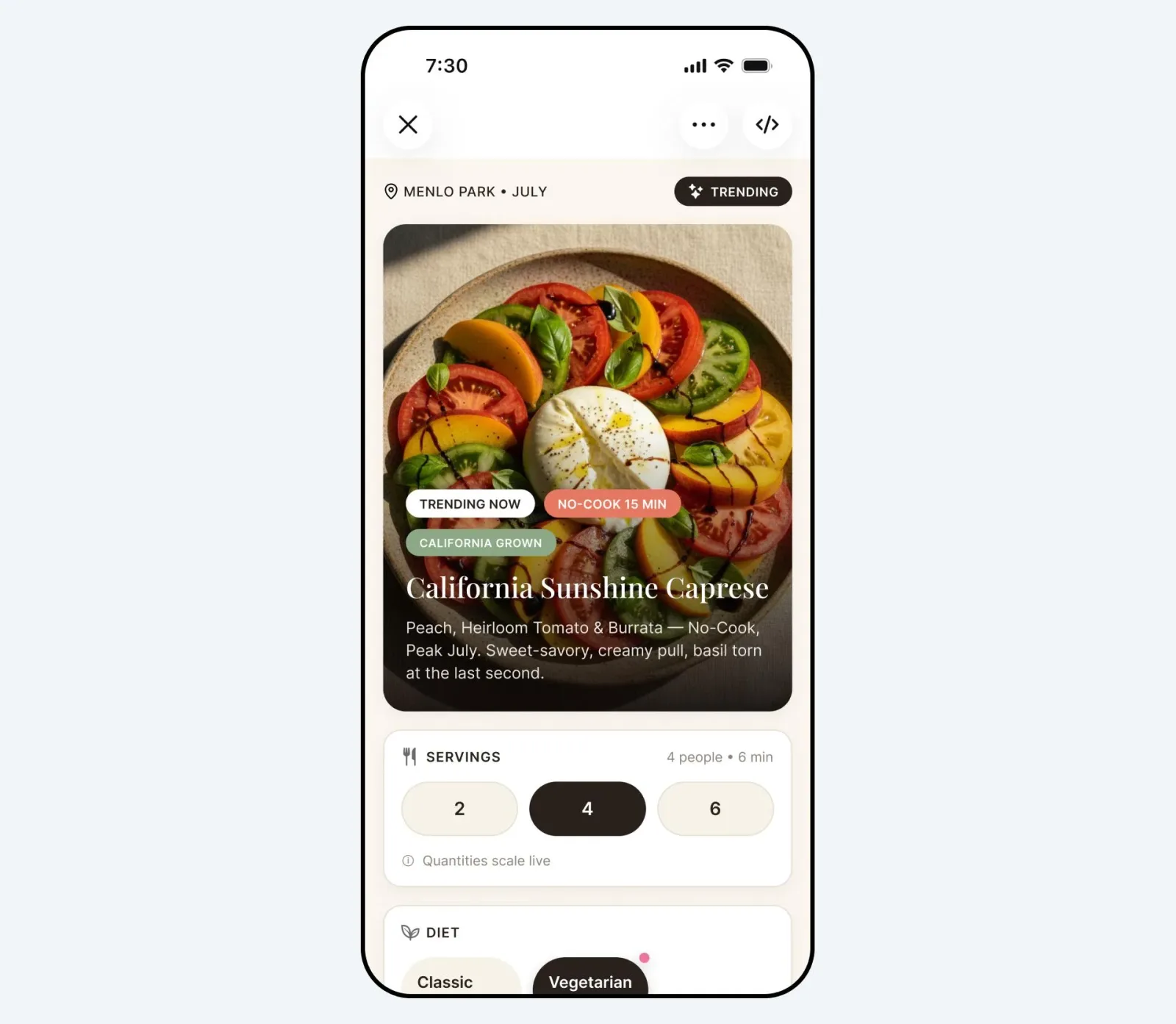
Meta is taking its AI chatbot beyond simple chat and pushing it into productivity territory, according to The Verge. The company just announced calendar integration, daily briefings, and a guided research mode that lets you steer the AI as it digs into topics. It's a clear play to catch up with ChatGPT, Claude, and Gemini, all of which have been steadily adding assistant features over the past year.
The timing is interesting. Meta has the distribution advantage with billions of users across Facebook, Instagram, and WhatsApp, but it's been playing catch-up on functionality. Most people still don't think of Meta AI when they need to plan a meeting or research a topic. This update is Meta's attempt to change that perception and make its AI feel more like a daily tool than a novelty feature buried in the app.
Meta is calling this a step toward 'personal superintelligence,' a term CEO Mark Zuckerberg has been using to describe AI that knows you well enough to act as a personalized assistant. That's ambitious language for features that competitors already offer, but the real test will be execution. Can Meta's AI actually manage your calendar reliably? Will the daily briefings be useful or just another notification to dismiss?
The upgrade runs on Meta's new Muse Spark 1.1 model, which the company says enables more complex, multi-step tasks. We don't have independent benchmarks yet, so it's unclear how it stacks up against GPT-4o or Claude 3.7 Sonnet. But the feature set suggests Meta is prioritizing practical assistant functions over raw reasoning power, which makes sense given where most users actually are with AI adoption.
One advantage Meta has is context. If you're already using Instagram or WhatsApp, Meta AI can potentially tap into your existing activity to make smarter suggestions. That's powerful if done well, and concerning if the privacy controls aren't tight. Meta hasn't detailed exactly what data the AI can access, which will matter a lot to users deciding whether to actually use these features.
The research mode is particularly interesting because it lets you guide the AI as it works, rather than just getting a finished answer. That's closer to how people actually want to use AI for complex tasks, where you need to course-correct and add context as you go. It's a feature Claude and Perplexity have been refining, and it's smart that Meta is adopting the pattern.
What this means for you: If you're already in the Meta ecosystem, these features could turn the AI from something you ignore into a legitimate daily assistant. Try this prompt to test the research mode: 'Research [your topic] and pause every few minutes to show me what you've found so far and ask what direction I want you to focus on next.' That guided approach works well when you're exploring a new area and don't know exactly what you need yet.
Reporting basis: original story
← back to The Wire