the wire · #ai · 2026-07-27
Why China is giving away its best AI models
Cech Tech Reviews
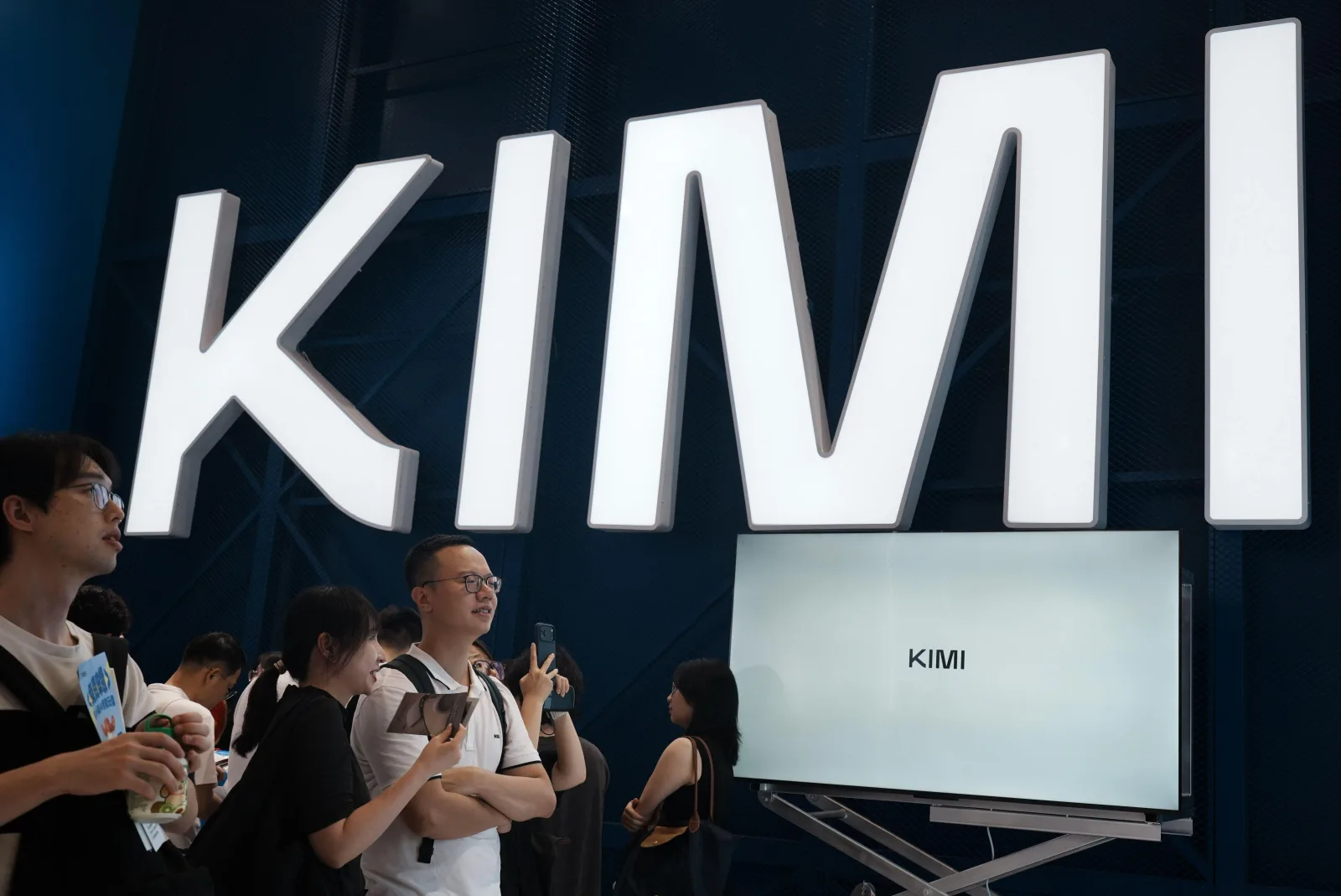
The tech world is buzzing with a mix of admiration and anxiety after Moonshot AI unveiled Kimi K3. According to reporting by The Verge, this Chinese language model is reportedly outperforming top-tier US systems while running at a fraction of the cost. It is not just about raw intelligence anymore. The real shockwave comes from Moonshot’s decision to release the model weights for free.
Silicon Valley has spent the week on high alert. The rivalry between the US and China in AI is intensifying, but this specific move targets the core business model of American giants. By giving away the keys to the kingdom, Moonshot is challenging the assumption that closed, proprietary systems are the only path to superior performance. It forces a hard question about the sustainability of paywalled intelligence.
Open-weight models offer developers a level of control that proprietary APIs simply cannot match. You can fine-tune the model on your own data, deploy it on your own hardware, and audit its behavior without asking permission. This transparency builds trust in sectors where data privacy and security are non-negotiable. It also lowers the barrier to entry for startups that cannot afford enterprise-grade API costs.
The strategic targeting of US users by a Chinese startup adds a geopolitical layer to this technical shift. It suggests that China is leveraging its manufacturing and energy advantages to undercut Western pricing while maintaining high technical standards. This is not just a product launch. It is a market disruption strategy that aims to make American dominance look expensive and restrictive.
For entrepreneurs and developers, this signals a changing landscape. The moat of closed AI is shrinking. If you can get comparable performance from an open model, you gain autonomy over your tech stack. You are no longer locked into a single vendor’s pricing changes or policy shifts. This shift empowers smaller teams to build sophisticated AI applications without burning through venture capital on API bills.
The broader implication is a race toward efficiency. As open models improve, the premium on closed systems must justify its cost through unique data or seamless integration. Otherwise, the market will naturally drift toward open alternatives. This trend could accelerate innovation by allowing more players to experiment with cutting-edge architectures. It democratizes access to powerful tools that were once reserved for tech giants.
What this means for you is that you should start evaluating open-weight models for your next project. Do not assume the most expensive API is the best fit for your needs. Experiment with local deployments to see if you can achieve similar results with greater control and lower long-term costs. Here is a prompt to help you compare models: "Analyze the trade-offs between using [Proprietary Model] versus [Open Source Model] for [Specific Task]. Focus on cost per token, latency, and data privacy implications."
The era of unquestioned AI dominance by a few closed systems may be ending. Moonshot’s move is a clear signal that the future belongs to those who can deliver value efficiently and transparently. Keep your eyes on open-source developments. They will likely dictate the next wave of AI innovation and adoption across industries.
Reporting basis: original story
← back to The Wire