the wire · #gadgets · 2026-08-08
Your phone's USB-C port does a lot more than just charge - Here's what else it can do
Cech Tech Reviews
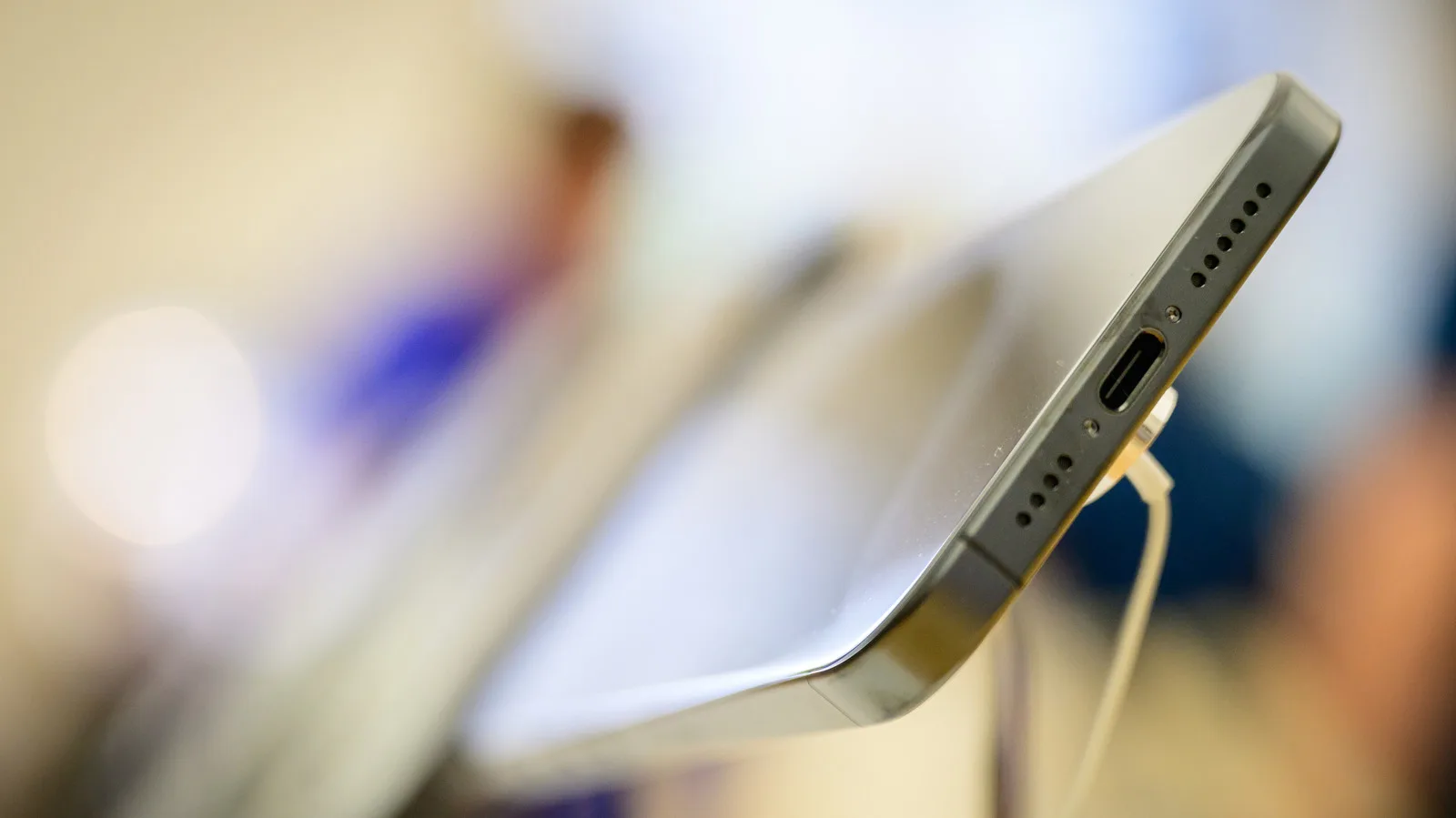
The narrative around USB-C has shifted dramatically in recent years. We used to view it merely as a universal charging standard, a welcome relief from the chaos of proprietary cables. However, according to recent reporting on hardware capabilities, your phone's USB-C port is actually a powerful hub for productivity and connectivity that most users ignore. It is time to stop treating it like a simple power inlet and start using it as a gateway to a full desktop experience.
One of the most underutilized features is direct video output. Many modern smartphones support DisplayPort Alt Mode, allowing you to plug directly into an external monitor or TV. This is not just for watching movies. It transforms your device into a portable computer, enabling you to run presentations or review complex datasets on a larger screen without relying on wireless casting, which often introduces latency and compression artifacts.
Data transfer speeds are another critical advantage. While older USB standards were sluggish, modern USB-C connections support USB 3.1 or even USB4 protocols. This means you can move large files, such as high-resolution video projects or massive local AI models, between your phone and a computer in seconds. This speed is essential for professionals who need to iterate quickly on creative or technical projects without waiting for cloud uploads to finish.
The port also serves as a bridge for a wide array of peripherals. You can connect keyboards, mice, and even external storage drives directly to your phone. This setup is particularly useful for AI enthusiasts who might want to run lightweight local inference tools or manage datasets on the go. By turning your phone into a standalone workstation, you gain the flexibility to work in environments where a laptop is impractical or too heavy to carry.
From an industry perspective, this convergence of hardware capabilities signals a move toward device agnosticism. Manufacturers are no longer trying to lock users into a specific ecosystem through physical limitations. Instead, they are creating open platforms where your phone can interact seamlessly with the broader tech ecosystem. This trend benefits consumers by reducing e-waste and increasing the longevity of their devices through versatile utility.
For AI professionals, this hardware flexibility opens up new workflows. Imagine connecting your phone to a large monitor, attaching a mechanical keyboard, and running a local language model interface directly from your device. You can prototype ideas, test prompts, or manage data pipelines without needing a full desktop setup. This level of portability and power is becoming increasingly relevant as AI tools become more integrated into daily professional tasks.
What this means for you is that your phone is likely more powerful than you realize. Start by checking if your device supports video out and high-speed data transfer. Then, invest in a good USB-C hub to expand your connectivity options. Try this workflow: connect your phone to an external monitor and keyboard, then use an AI assistant app to draft emails or summarize documents while viewing the output on the larger screen. This simple change can significantly boost your mobile productivity and help you leverage the full potential of your hardware.
Reporting basis: original story
← back to The Wire