the wire · #topnews · 2026-09-14
Steam Frame: The Ars Technica review
Cech Tech Reviews
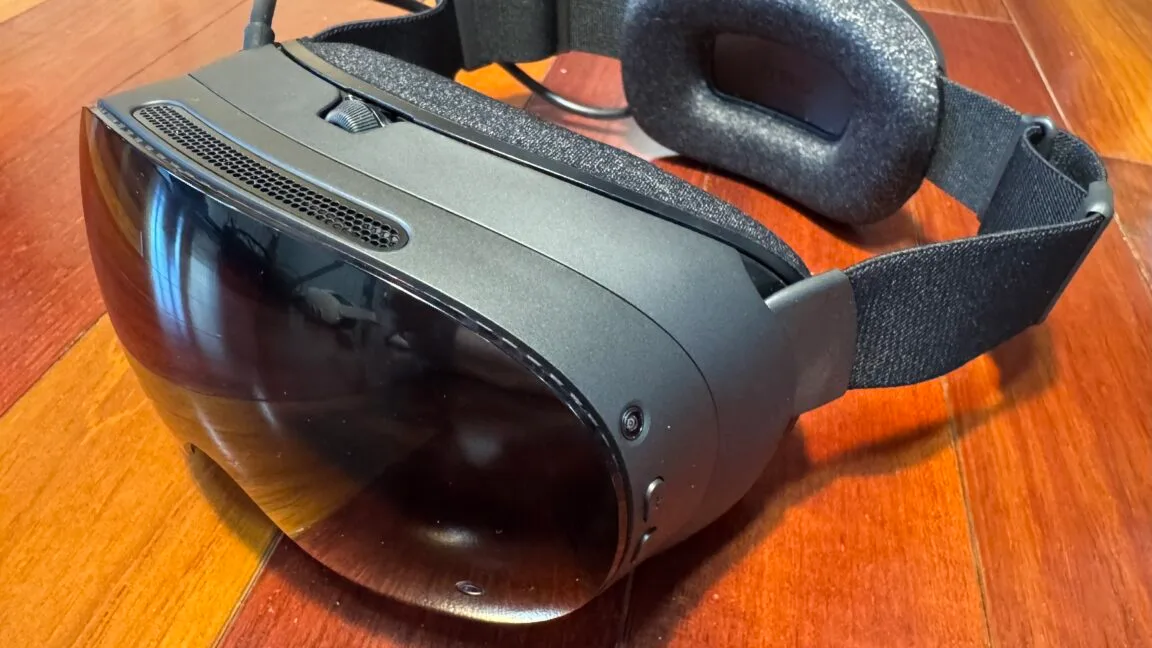
Valve is making a move that caught many in the tech industry completely off guard. According to Ars Technica, the company is finally releasing the Steam Frame, a standalone VR headset priced at $1,059. This launch is particularly surprising given Valve’s apparent disinterest in the standalone market for the better part of the last decade.
The narrative of Valve’s VR journey has been one of high ambition followed by quiet retreat. In the 2010s, they were leading the charge with the HTC Vive partnership and their own Index headset. They even produced Half-Life: Alyx, a title that proved the potential of tethered PC VR. Yet, the market shifted toward cheaper, wireless options like the Meta Quest.
While Meta carved out a dominant niche with affordable, untethered devices, Valve seemed content to let its earlier hardware ambitions fade. Their silence on the standalone front made their sudden return in 2026 feel like a non sequitur. It is hard to ignore the irony of entering this space now, after the initial hype has long since dissipated.
Ars Technica’s review of the device paints a complex picture of this new hardware. The reviewer describes the Steam Frame as simultaneously overengineered and underbaked. This duality suggests that Valve is trying to solve problems that the average consumer may not even realize they have.
The pricing strategy alone is a bold statement. At over a thousand dollars, the Frame is positioning itself as a premium product. This is a stark contrast to the mass-market appeal of competitors like Meta. It raises questions about who exactly Valve thinks is buying this device in the current economic climate.
From an AI perspective, this hardware shift is intriguing. Standalone headsets rely heavily on on-device processing. This creates a unique opportunity for AI-driven optimization and spatial computing features that do not require cloud connectivity. Valve might be betting that local AI inference can justify the premium price tag.
The mixed reception of the hardware suggests that Valve is still refining its approach. The term underbaked implies that while the raw power is there, the software experience or user interface may not be fully polished. This is a common trap for hardware-first companies entering a software-driven ecosystem.
What this means for you: As AI tools become more integrated into spatial computing, hardware that supports local processing will gain value. Try using an AI assistant to generate 3D assets or optimize your workflow for standalone VR environments. This prepares you for a future where high-end local compute is standard.
Reporting basis: original story
← back to The Wire