the wire · #ai · 2026-10-01
OpenAI’s new agent is a shot at Meta, but can it compete with free?
Cech Tech Reviews
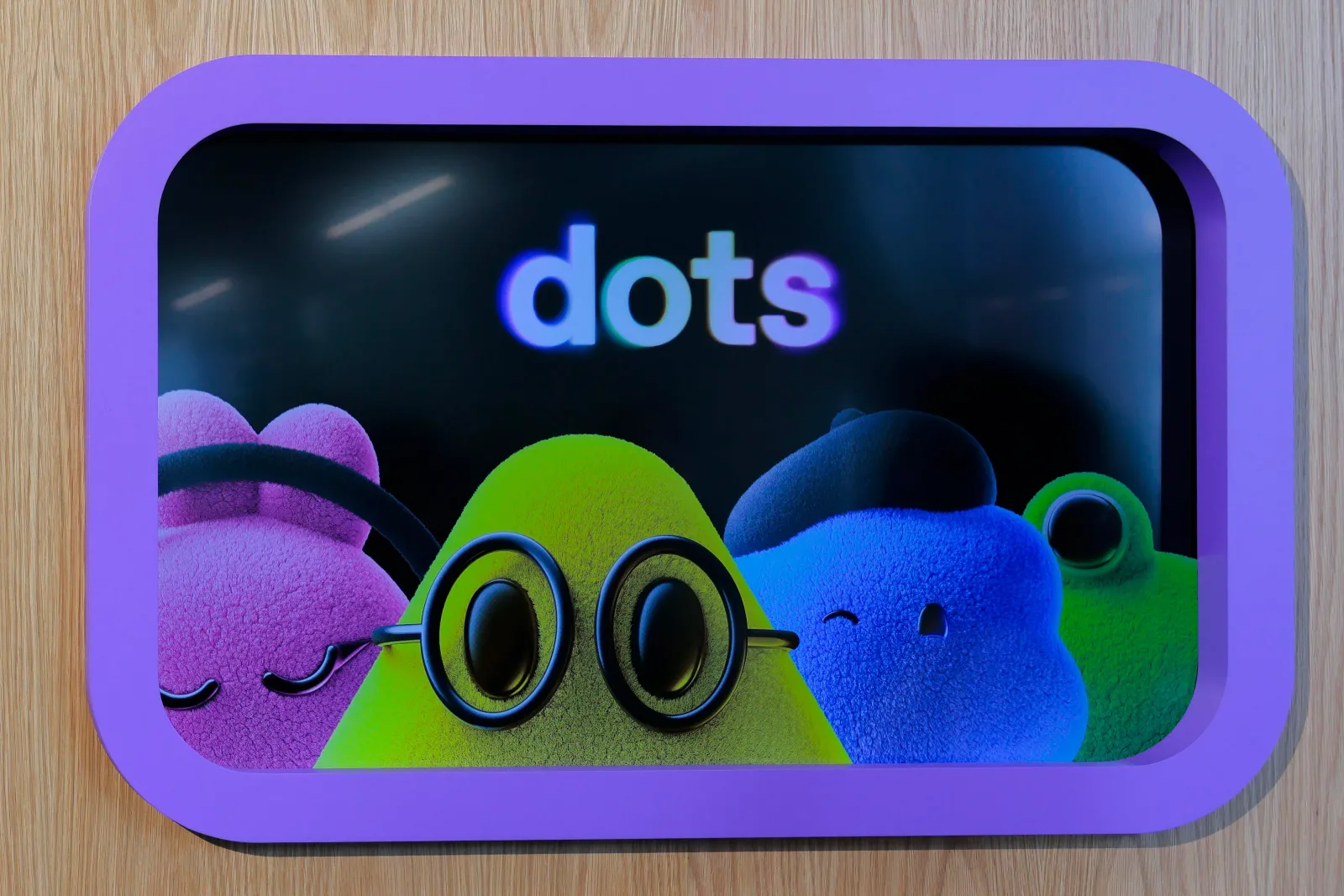
OpenAI just unveiled Dots at DevDay 2026, a personal AI agent that looks like it walked straight out of a Pixar film. According to The Verge, CEO Sam Altman positioned it as a direct answer to Meta's Muse, the breakout AI agent platform that's been gaining serious traction. Both go for the approachable aesthetic, cute colorful blobs with eyes that feel more like companions than tools.
The key differentiator OpenAI is pushing is that Dots can build virtual worlds, not just chat and complete tasks. It's powered by GPT-6 Astra and promises to go beyond basic assistance into metaverse-style environment creation. That sounds impressive on paper, but here's the strategic problem OpenAI faces: Meta is giving Muse away for free, and it's already working well enough for most people's daily needs.
This is the new battleground in AI. It's not just about capability anymore, it's about business model and distribution. Meta can afford to run Muse at a loss indefinitely because they monetize through ads and data across their social platforms. OpenAI needs Dots to generate revenue directly, which likely means a subscription or usage-based pricing model.
The virtual world building angle is interesting but feels like a feature in search of a use case for most professionals. If you're using an AI agent day to day, you probably want it to manage your calendar, draft emails, research topics, and automate workflows. The metaverse component might appeal to creators and educators, but it's unclear if that justifies a premium over free alternatives that handle the basics.
OpenAI is betting that superior underlying models and novel features will win over price. That worked when they had a clear quality lead with GPT-4, but the gap has narrowed considerably. Meta's Llama models power Muse, and they're legitimately good. For mainstream users, good enough plus free often beats slightly better and paid.
The competitive pressure is forcing OpenAI to innovate beyond pure language models into agentic experiences, which is healthy for the industry. But they're also learning the hard lesson that every enterprise software company knows: competing against free is brutal, and you need a compelling reason for people to pay.
What this means for you: If you're already invested in OpenAI's ecosystem through ChatGPT Plus or API usage, Dots might integrate seamlessly with your existing workflows. But if you're just exploring AI agents, start with Meta's free Muse to understand what you actually need before committing to a paid service. Try this prompt with any AI agent to map your workflow needs: "I want to automate my daily work routine. Walk me through my typical tasks step by step, then suggest which ones an AI agent could handle and what information it would need access to." That clarity will help you choose the right tool, whether it's free or premium.
Reporting basis: original story
← back to The Wire