the wire · #topnews · 2026-07-31
The New Defcon Badges Pack a Unique Open Source Chip That Doubles as a Security Key
Cech Tech Reviews
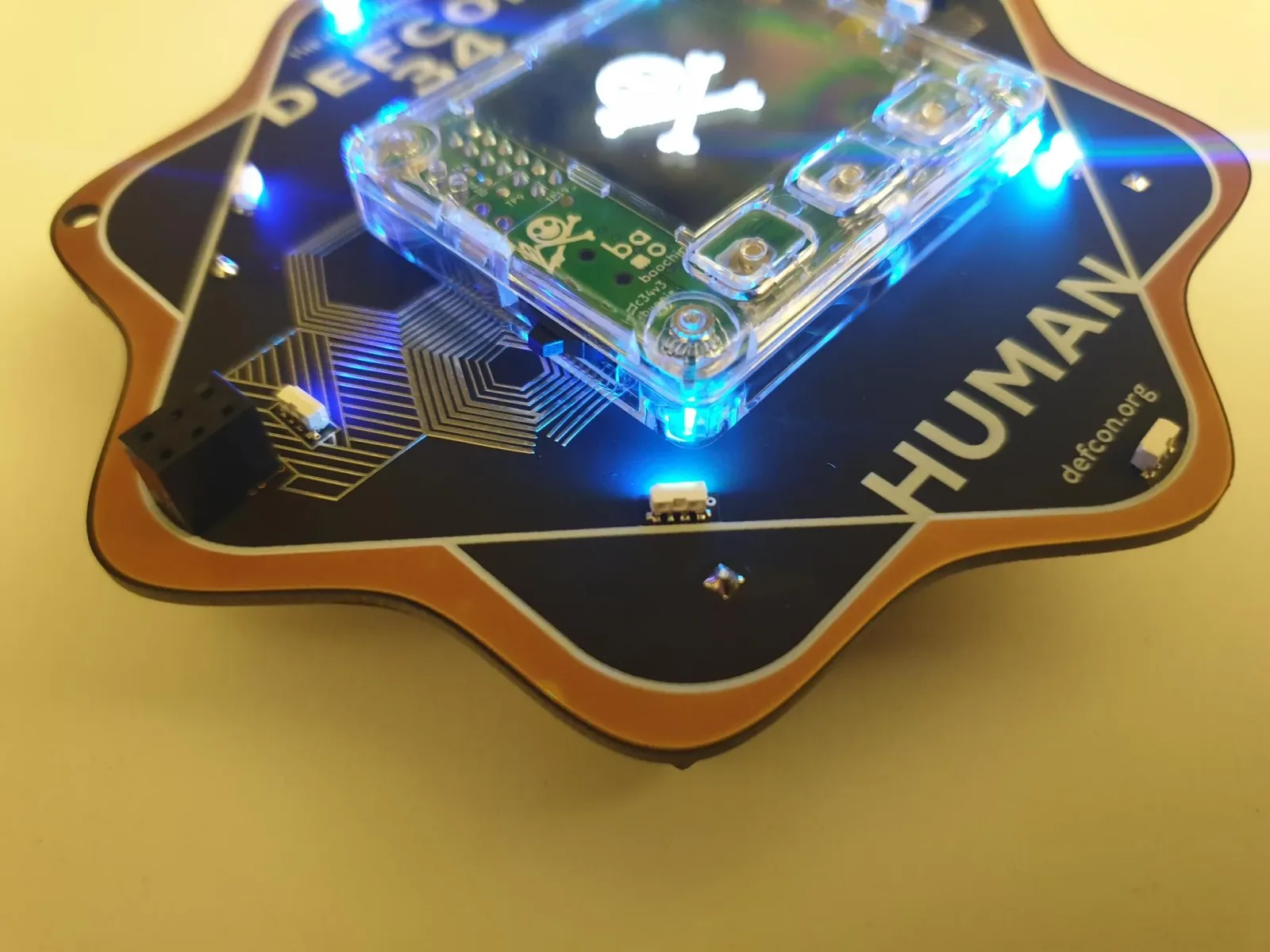
The annual Def Con conference has long been the mecca for hackers, but this year’s hardware takes a distinct turn toward radical transparency. According to recent reports, the badges are designed by legendary hardware hacker Andrew bunnie Huang. He is known for his deep dives into supply chain security and open source hardware advocacy.
These badges are not just party favors or status symbols for the elite. They pack a unique open source chip that serves a dual purpose. It functions as a standard conference badge while also acting as a robust physical security key. This design choice is intentional and deeply philosophical.
Huang has spent years critiquing the opaque nature of modern tech supply chains. By making the chip’s design open source, he invites the community to audit every line of code and schematic. This approach stands in stark contrast to the proprietary silicon used by most major tech giants today.
The implications for the broader tech industry are significant. We are seeing a growing fatigue with black box security solutions. Users and enterprises alike are beginning to question whether they can truly trust hardware they cannot inspect. This badge serves as a tangible proof of concept for that skepticism.
It challenges the notion that security through obscurity is a viable long term strategy. By exposing the hardware design, Huang forces a conversation about trust. It asks us to consider if we should rely on vendors or on verifiable community audits. The badge becomes a symbol of this shift in mindset.
This trend is likely to influence how companies approach IoT and edge devices. As these devices become more prevalent, the need for transparent security models will only grow. Organizations may start demanding open source hardware certifications for their critical infrastructure.
What this means for you is that transparency is becoming a feature, not just a compliance checkbox. If you are building or buying hardware, look for open source designs. You can start by auditing your own critical tools. Try using an AI assistant to analyze open source hardware schematics for potential vulnerabilities. Ask it to identify common design flaws in embedded systems to sharpen your own security posture.
Reporting basis: original story
← back to The Wire