the wire · #topnews · 2026-10-08
Tristan Harris’ Tech Nonprofit Is Laying Off Most Staff and Going ‘Founder-Led’
Cech Tech Reviews
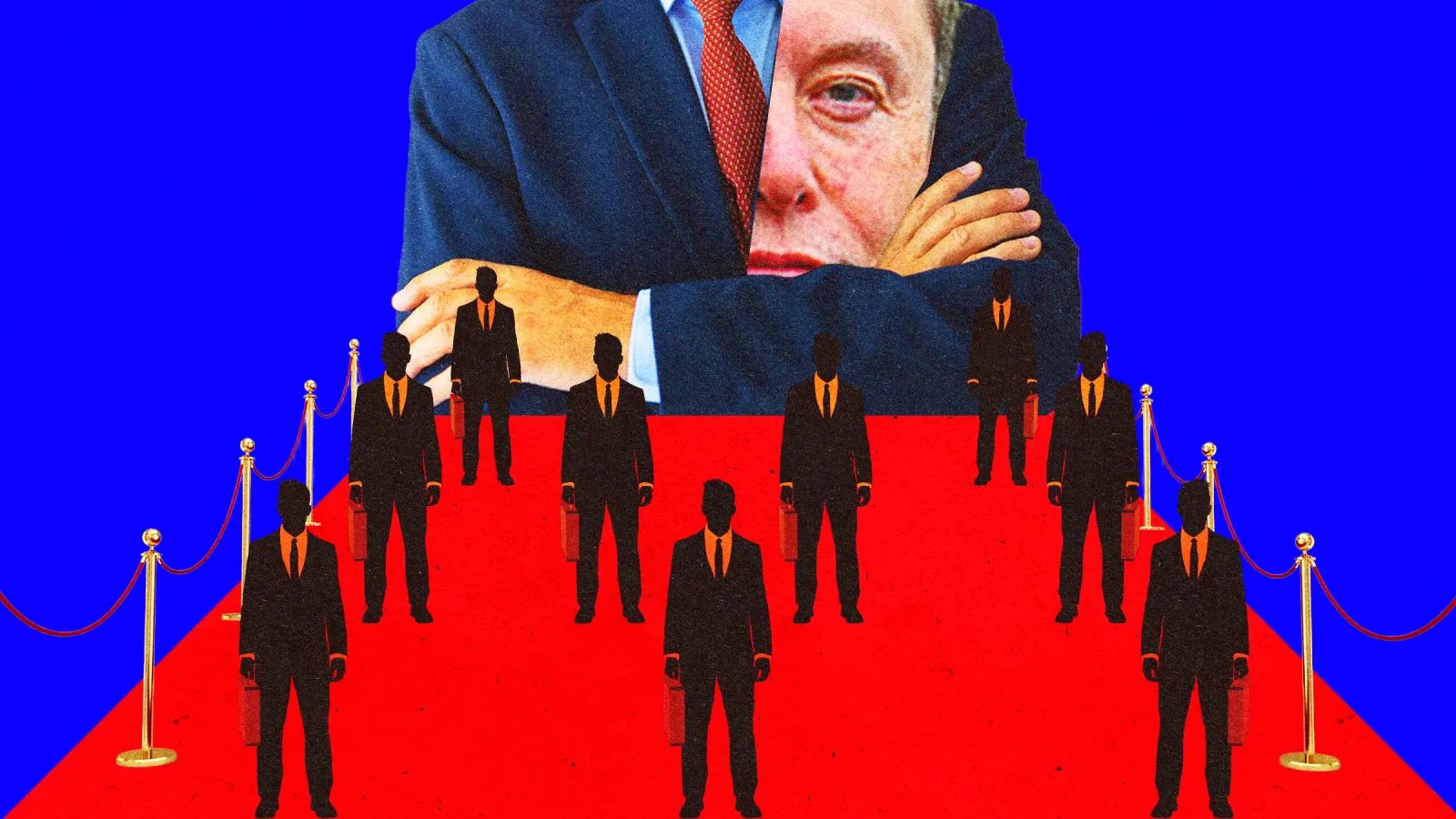
The Center for Humane Technology, the organization founded by Tristan Harris that helped ignite the global conversation around ethical design and excessive screen time, is undergoing a drastic restructuring. According to WIRED, the nonprofit is laying off the majority of its staff and transitioning to a founder-led model. This is not just a budget cut; it is a fundamental shift in how the organization intends to operate.
Internal tensions regarding the group's direction and strategy have reportedly been simmering for years. Sources indicate that these disagreements were not minor disagreements but deep-seated conflicts about how to best influence big tech. The decision to go founder-led suggests that the leadership believes a smaller, more agile team under direct supervision is the only way to maintain the integrity of their mission.
This move comes at a critical time for the tech ethics movement. For years, Harris and his colleagues have been the primary voice warning against the attention economy. However, the industry has largely continued its trajectory toward more immersive and addictive technologies. The retreat of a major nonprofit like this could signal a waning of institutional pressure on Silicon Valley giants.
The shift to a founder-led model also raises questions about sustainability. Nonprofits often rely on a broad base of experts, researchers, and advocates to maintain credibility and reach. By reducing the staff, the Center may lose the diverse perspectives that make its critiques so compelling. It risks becoming a one-person show, which can be powerful but also vulnerable to burnout and bias.
For AI enthusiasts and professionals, this is a stark reminder that even well-funded ethical initiatives struggle with operational scale. As AI becomes more integrated into our daily lives, the need for independent oversight grows. Yet, the resources to support such oversight seem to be shrinking. This creates a vacuum that could be filled by less rigorous or more biased entities.
The broader implication is that the fight for humane technology may need to move from large organizations to individual advocates and smaller, specialized groups. The era of the large, centralized tech ethics watchdog might be ending. Instead, we may see a fragmented landscape of smaller voices trying to make an impact.
What this means for you: If you are building AI products or working in tech policy, do not rely on external watchdogs to save you from ethical pitfalls. You must build ethical considerations into your workflow from day one. Try using this prompt with an AI assistant to audit your current project: "Act as an ethical design critic. Review this product feature description and identify three potential ways it could exploit user attention or privacy. Suggest one alternative design that achieves the same goal without the ethical risk." This proactive approach is more reliable than waiting for a nonprofit to catch the issues later.
Reporting basis: original story
← back to The Wire