the wire · #topnews · 2026-10-06
OpenAI Is Pissing Off a Bunch of Mathematicians, Again
Cech Tech Reviews
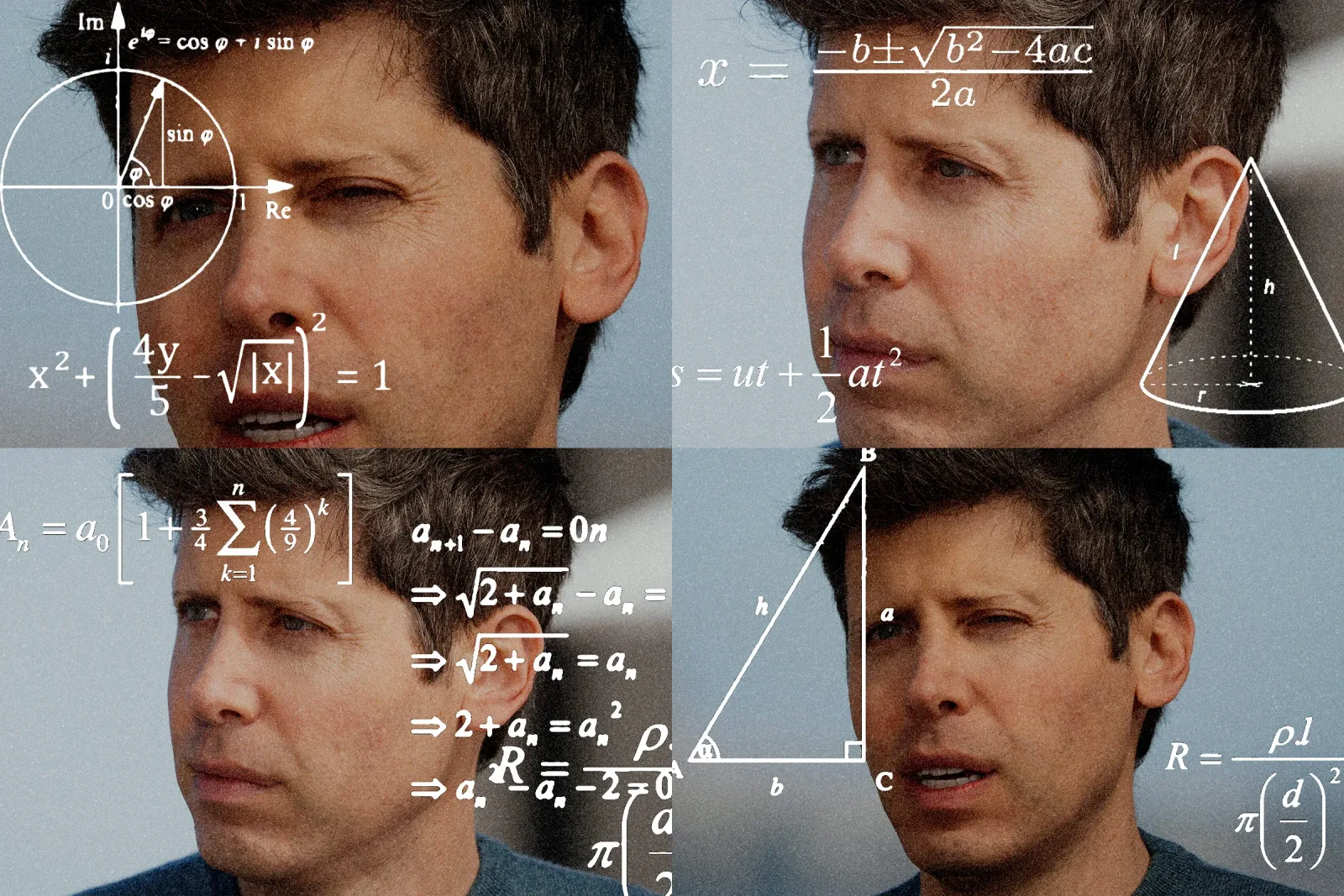
OpenAI is about to drop solutions to over 100 unsolved mathematical problems, and the math community is not happy about it. According to WIRED, mathematicians are using words like "mobster behavior" to describe how leading AI labs are approaching academic research.
This isn't just sour grapes. The core issue is that OpenAI and similar companies are treating centuries of careful mathematical work as training data to be harvested, then presenting AI-generated solutions without the collaborative process that defines mathematical research. When a human mathematician solves a problem, they build on published work, cite predecessors, and submit findings for peer review. AI labs are skipping that entire social contract.
The timing matters because we're at an inflection point where AI can actually contribute to mathematical discovery. Models like AlphaProof from DeepMind have already solved International Math Olympiad problems. But the way these breakthroughs are being packaged, as corporate product launches rather than academic contributions, is poisoning the well for future collaboration.
There's also a deeper question about what counts as "solving" a problem. Mathematicians don't just want answers, they want elegant proofs that reveal why something is true. An AI that brute-forces a solution through massive compute might technically be correct but miss the insight that makes mathematics valuable. It's the difference between a calculator and understanding calculus.
The "mobster" comment reveals how raw the feelings are. Academia runs on attribution, reputation, and building on each other's work. When a $90 billion company treats that ecosystem as just another dataset to monetize, it breaks trust in ways that are hard to repair.
What this means for you: if you're using AI for research or analysis in any field, think about how you're crediting sources and collaborating with domain experts. Try this prompt when working on complex problems: "Break down your reasoning step by step, cite which principles or prior work you're building on, and flag any logical leaps that would need expert verification." It won't make your AI a responsible researcher by itself, but it surfaces the gaps where human judgment matters most.
Reporting basis: original story
← back to The Wire