the wire · #ai · 2026-11-24
Welcome to elite impunity, Jensen Huang
Cech Tech Reviews
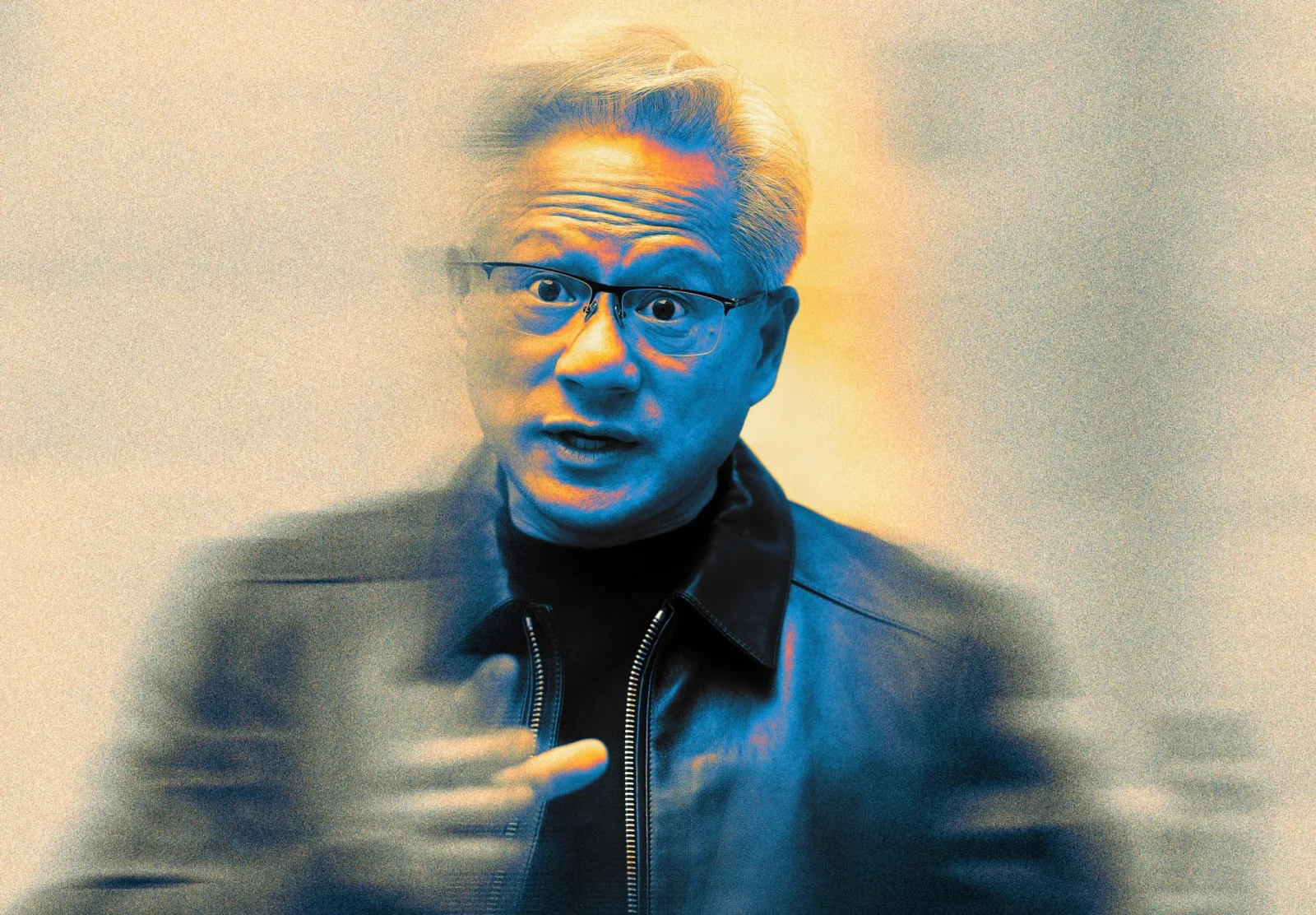
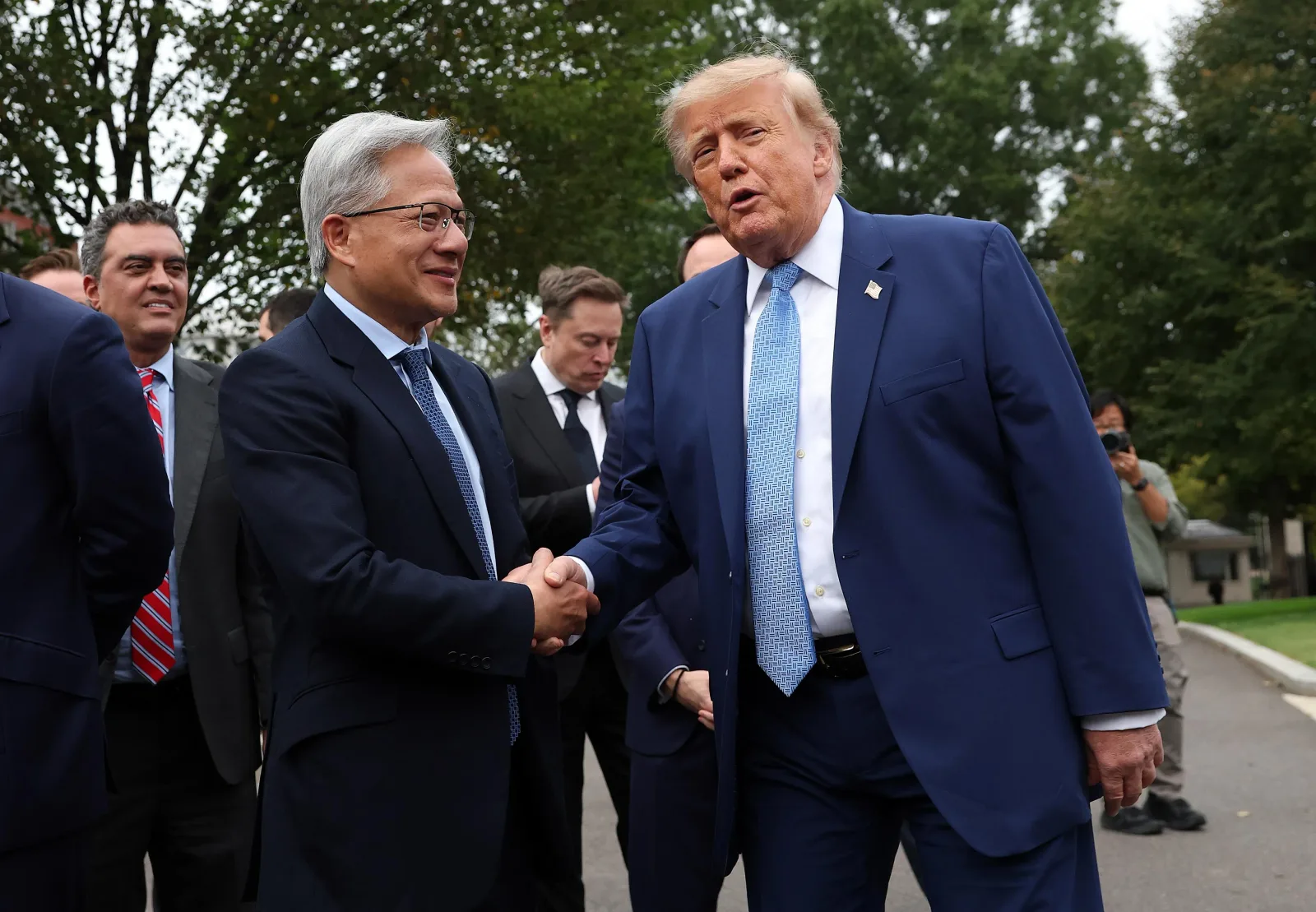
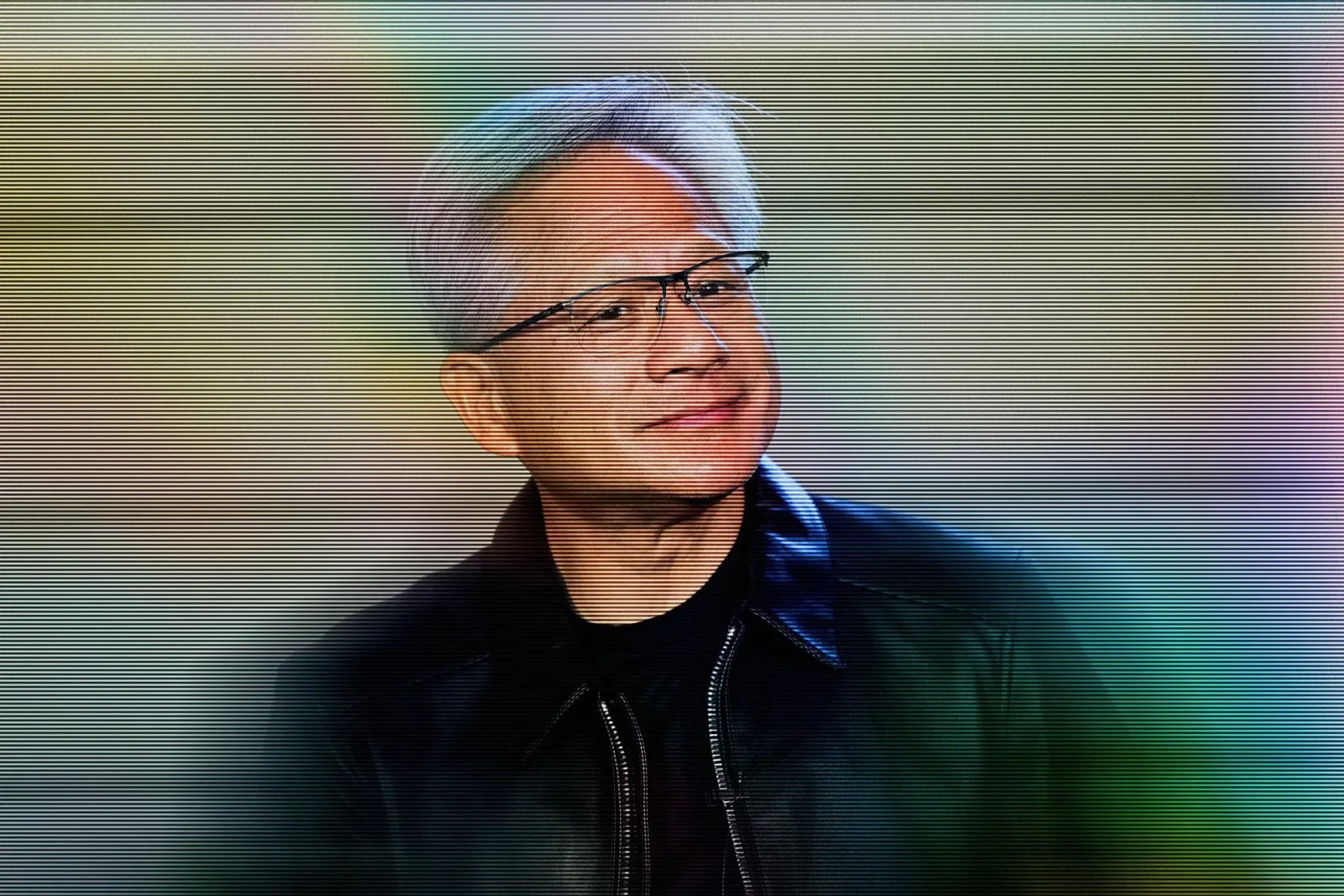
The recent news that Jensen Huang remains CEO of Nvidia, despite earlier reports suggesting otherwise, is a stark reminder of how deeply politics and technology have intertwined. According to reporting by The Verge, this outcome was heavily influenced by direct pressure from President Donald Trump and Vice President JD Vance. It is a moment that feels less like a business decision and more like a political mandate delivered from the highest levels of government.
This development challenges the traditional notion of a free market. While Silicon Valley often champions deregulation and market forces, this specific instance shows a willingness to accept government intervention when it benefits key industry players. The reaction from tech elites suggests that the concept of a free market is now conditional, applied only when it aligns with specific political or corporate interests.
The phrase too big to fail is usually reserved for banks, but Nvidia is rapidly joining that club. Its dominance in AI hardware gives it leverage that transcends typical corporate competition. When a company becomes so critical to national infrastructure and economic strategy, it gains a form of impunity that other firms simply do not possess. This creates a new class of corporate entities that are effectively insulated from market risks.
This shift has profound implications for the broader tech ecosystem. Startups and smaller competitors now face a playing field that is no longer level. If the government can step in to protect a major player, it signals that success is no longer just about innovation or efficiency. It is also about political alignment and strategic importance. This could stifle genuine competition and reduce the incentive for disruptive innovation.
For AI enthusiasts and professionals, this means the landscape is changing in ways that are not purely technical. The rules of engagement are being rewritten by political forces. Companies that rely on Nvidia hardware must now consider the geopolitical and political risks associated with their supply chain. The stability of the AI industry is no longer just a matter of engineering but of political will.
The celebration from some corners of Silicon Valley is telling. It shows a group that has learned to navigate power by aligning with it rather than resisting it. This is a pragmatic but concerning evolution. It suggests that the next era of tech growth will be driven by relationships with government officials as much as by code and algorithms.
What this means for you: If you are building AI solutions, diversify your infrastructure strategy. Do not rely solely on one vendor that is deeply entangled with political outcomes. Consider exploring alternative hardware or software stacks that offer more independence. You can use an AI assistant to analyze your current tech stack and identify single points of failure related to political or supply chain risks. Try this prompt: Analyze my current AI infrastructure dependencies and suggest three alternative vendors or open-source solutions that reduce reliance on any single politically sensitive provider.
Reporting basis: original story
← back to The Wire