the wire · #ai · 2026-11-21
Chess.com’s next move is a new hub for classic games, from mahjong to sudoku
Cech Tech Reviews
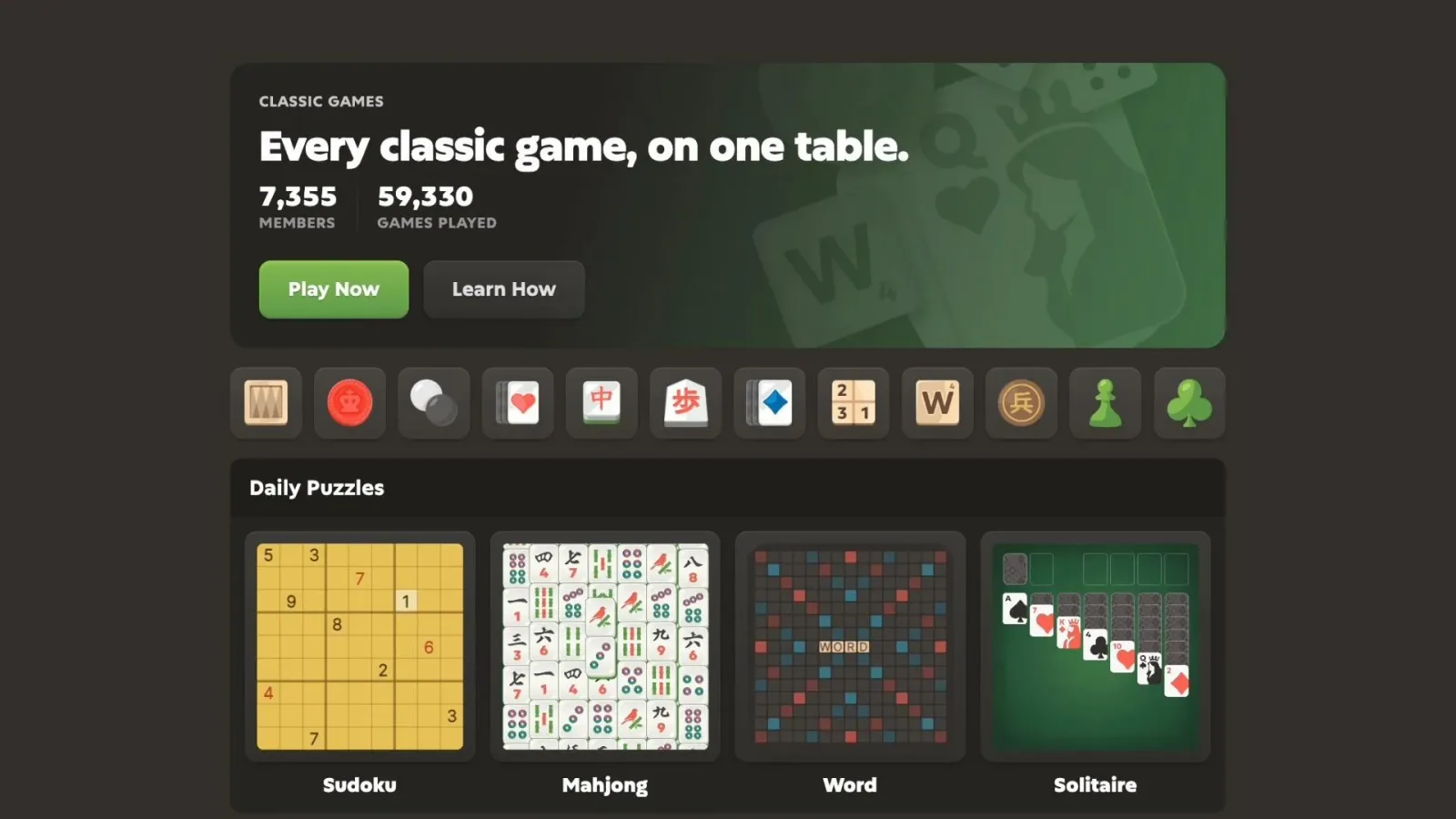
Chess.com is making a bold move to transform from a niche chess platform into a comprehensive digital hub for classic games. According to The Verge, the company is launching a public beta for its new Classic Games platform this Saturday. This expansion includes ten distinct titles such as backgammon, checkers, go, hearts, mahjong, shogi, sudoku, solitaire, xiangqi, and a Scrabble alternative simply called word.
The strategic logic here is clear. The founders have heard countless users express frustration about lacking a dedicated, high-quality digital space for games like mahjong or go. By creating a unified platform, Chess.com aims to solve the fragmentation problem that currently plagues these communities. Users no longer need to hunt for disparate, often low-quality apps to play their favorite classic games.
This move follows the recent launch of Gambit, a gambling-free poker site. It signals a deliberate effort to diversify revenue streams and user engagement beyond the chess ecosystem. The company is essentially betting that its brand reputation for fair play and robust infrastructure can be successfully transferred to other competitive and casual gaming verticals.
From an AI perspective, this expansion offers a fascinating case study in platform scaling. While the source material does not explicitly detail the AI integration, we can infer that these games will likely utilize machine learning for matchmaking, anti-cheat detection, and personalized difficulty adjustments. The underlying technology stack that supports chess engines can be adapted to handle the unique logic and state management of these new titles.
The inclusion of games like xiangqi and shogi is particularly notable. These titles have dedicated but smaller global communities. By aggregating them, Chess.com creates network effects that individual game developers struggle to achieve alone. This centralization could lead to faster matchmaking times and more vibrant community features, which are critical for retaining users in competitive gaming.
However, the challenge will be maintaining the quality and integrity that made chess.com a leader in its original niche. Managing the balance between casual accessibility and competitive depth across ten different game types requires sophisticated design choices. The platform must avoid becoming a cluttered app store while still offering a cohesive user experience.
What this means for you: If you are building AI tools for gaming or community platforms, consider how aggregation can solve user fragmentation. You can try this prompt with an AI assistant to brainstorm features: "Analyze the user journey for a multi-game platform like Chess.com. Identify three friction points in onboarding new users to unfamiliar games and suggest AI-driven solutions to reduce cognitive load during the first five minutes of play."
Reporting basis: original story
← back to The Wire