the wire · #ai · 2026-11-22
Binding of Isaac developer removes AI music from Repentance Plus
Cech Tech Reviews
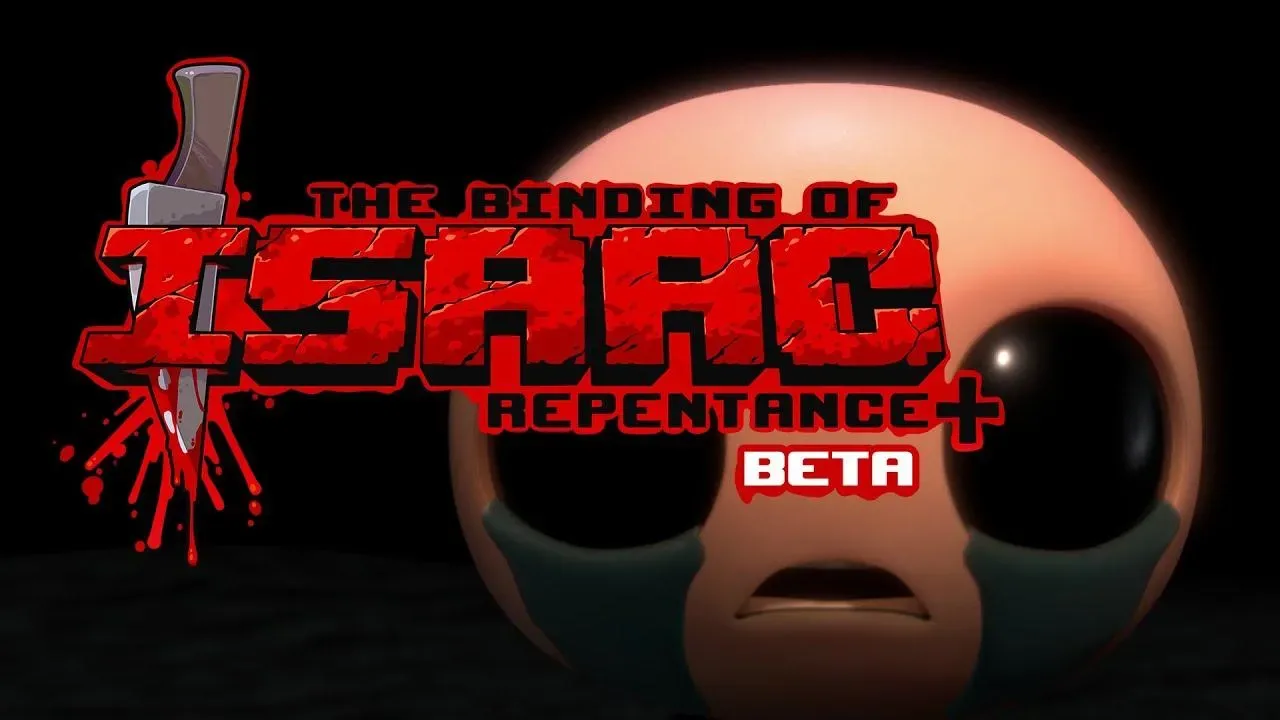
The gaming community is reacting with intense frustration after it was revealed that The Binding of Isaac: Repentance Plus contains AI-generated music. According to The Verge, the controversy centers on a Grand Theft Auto-themed segment of the game that utilized tracks generated by Suno. This discovery has led to a wave of negative reviews on Steam, highlighting the growing sensitivity around artificial intelligence in creative works.
Reddit user ShweetsStuff played a crucial role in uncovering the issue. They noticed audio files containing Suno metadata, which directly linked the in-game tracks to the generative AI platform. This technical evidence made it difficult for the developers to claim ignorance about the source of the music. It serves as a stark reminder that digital fingerprints are hard to erase.
Developer Edmund McMillen took to X to apologize for the oversight. He stated that he had no idea the parody section used generative AI music. While this defense might seem plausible, it clashes with the strict guidelines set by platform holders. The incident underscores the risks of using third-party AI tools without rigorous verification processes.
Valve has made it clear that developers must disclose how and when they use generative AI. Nicalis, Inc., the studio behind the game, failed to meet this transparency requirement. This breach of trust has damaged the relationship with the player base. The review-bombing is not just about the music but about the lack of honesty in the development process.
This event reflects a broader trend in the tech industry. As AI tools become more accessible, the line between human and machine creation blurs. Players and consumers are demanding accountability. They want to know exactly what they are supporting with their purchases and time. Transparency is no longer optional for developers who want to maintain goodwill.
The backlash also highlights the importance of community vigilance. Users are actively investigating game assets for AI usage. This grassroots monitoring forces companies to be more careful. It creates a new standard for ethical AI integration in media. Developers can no longer rely on vague promises of ethical use.
What this means for you: If you are using AI tools in your creative projects, transparency is your best defense. Do not hide the use of AI. Disclose it clearly and obtain proper licenses. Here is a workflow idea to ensure compliance: Create a checklist for all assets in your project. For every AI-generated element, document the tool used, the prompt, and the license status. Share this documentation with your team and stakeholders to build trust and avoid future controversies.
Reporting basis: original story
← back to The Wire