the wire · #ai · 2026-11-22
The UN fails to agree on rules regulating ‘killer robots’
Cech Tech Reviews
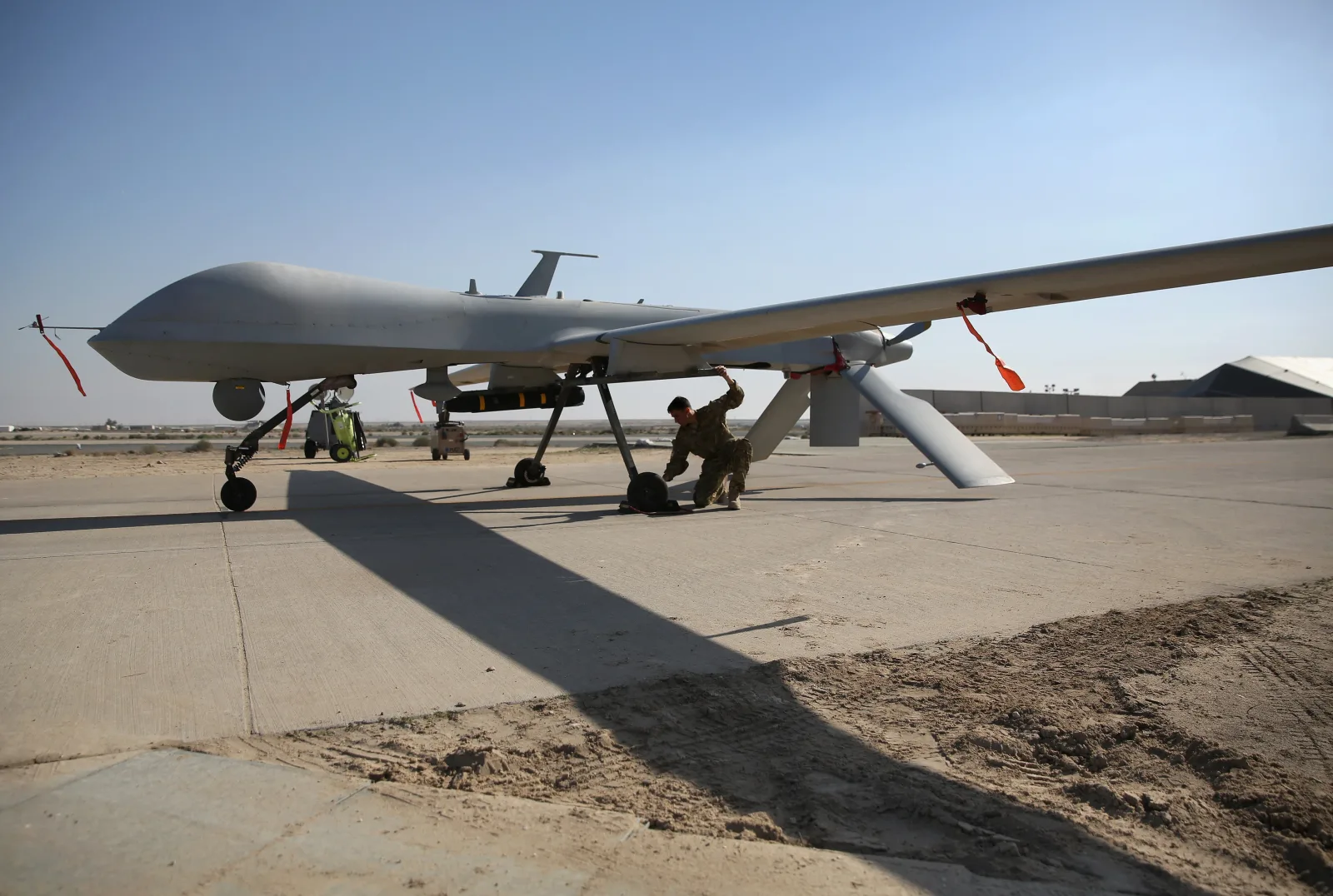
The latest round of United Nations negotiations in Geneva ended without a concrete agreement on regulating autonomous weapons systems. Diplomats left the table with a vague commitment to start discussing options rather than establishing the binding legal framework that many experts had hoped for. This outcome highlights the deep geopolitical divisions that continue to stall progress in AI governance at the highest levels.
According to reporting by The Verge, the week of talks was largely fruitless. While the agenda included serious deliberations on so-called killer robots, the final compromise was minimal. Countries agreed only to initiate further discussions rather than committing to a treaty or strict regulatory measures. This lack of decisive action leaves a significant regulatory vacuum in the development of lethal autonomous systems.
The stakes for this issue are incredibly high. The International Committee of the Red Cross, which oversees the Geneva Conventions, urged the immediate drafting of legally binding rules within a year. Their warning was not just bureaucratic; it was a humanitarian plea to prevent a new era of warfare where machines make life and death decisions without human oversight. The urgency was echoed by the UN secretary-general and Pope Leo, signaling broad moral concern across secular and religious institutions.
Why did the negotiations stall? The answer likely lies in the strategic interests of major military powers. Nations investing heavily in AI-driven defense technologies are hesitant to accept restrictions that could hinder their competitive edge. Without a unified front from the global community, individual countries may feel free to pursue aggressive development paths. This creates a dangerous arms race where safety protocols are sacrificed for technological superiority.
For the broader AI industry, this failure at the UN serves as a stark reminder of the challenges in self-regulation. If governments cannot agree on basic rules for lethal autonomy, it raises questions about the enforceability of guidelines for less dangerous AI applications. The lack of international consensus means that ethical AI development will likely remain fragmented, varying significantly by region and corporate policy.
This situation underscores the need for proactive engagement from tech companies and developers. Rather than waiting for global treaties that may never materialize, organizations must establish robust internal ethics boards. These bodies should audit algorithms for potential misuse and ensure that human oversight remains central to critical decision-making processes. Proactivity is the only way to maintain public trust in an era of rapid technological change.
What this means for you: As professionals working with AI, you must assume that regulatory frameworks will be slow and inconsistent. Implement strict internal controls for any autonomous features in your products. Use this prompt to audit your current AI workflows for ethical risks: "Review my current AI deployment strategy and identify three potential points where lack of human oversight could lead to ethical or legal liabilities, then suggest immediate mitigation steps."
Reporting basis: original story
← back to The Wire