the wire · #topnews · 2026-07-08
What Happens if China Hacks the US Water Supply? I Went to a Secret War Game to Find Out
Cech Tech Reviews
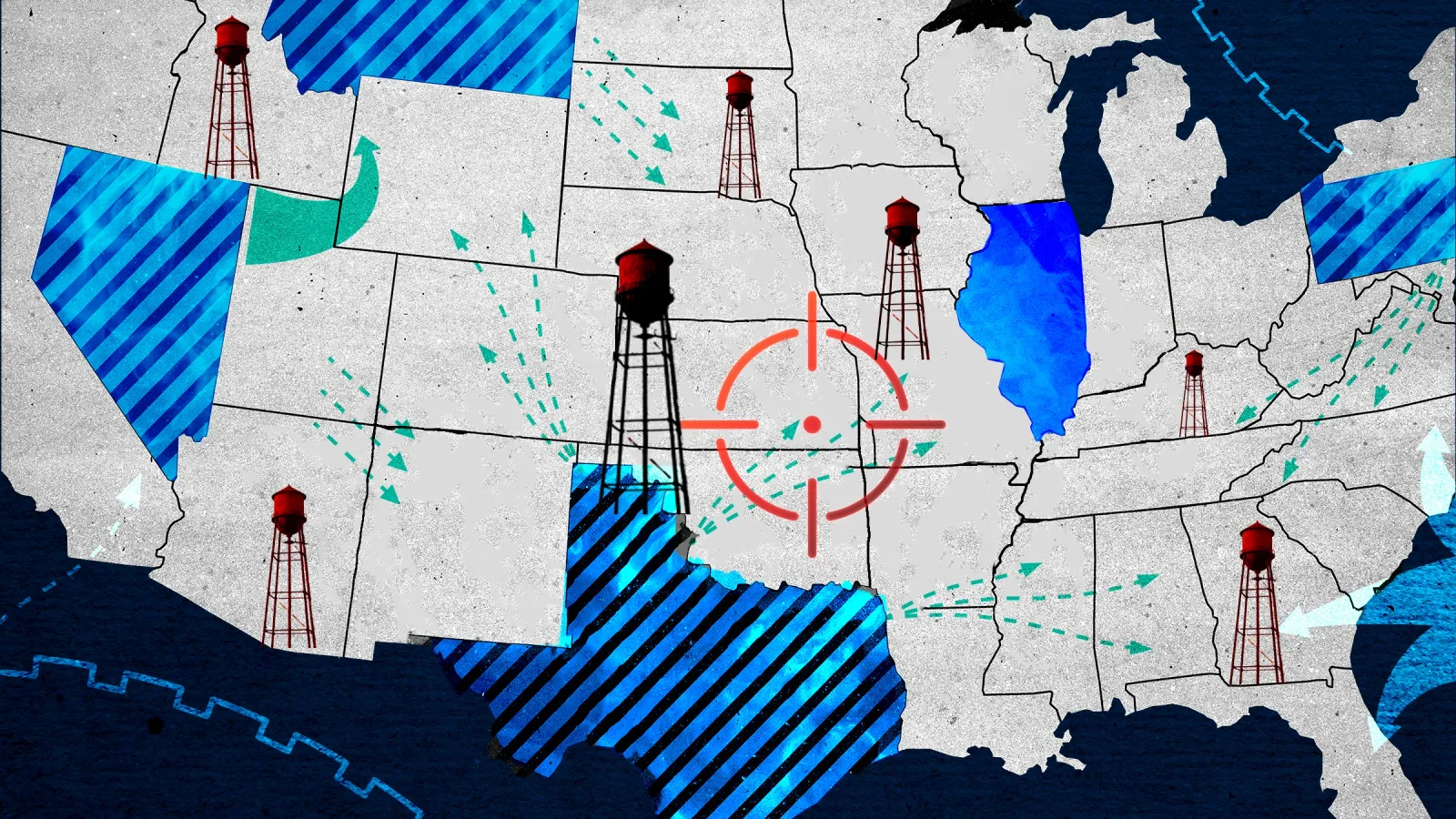
The idea of a nation-state hacking the US water supply might sound like the plot of a Hollywood thriller, but a recent closed-door simulation suggests it is a terrifyingly plausible reality. According to reporting by The New York Times, insurers and industry experts gathered to play out a scenario where China’s Volt Typhoon hackers successfully disrupted water mains across major American cities. The results were not just alarming; they were a nightmare of cascading failures that exposed deep vulnerabilities in our critical infrastructure.
The simulation began with a seemingly mundane event: burst water mains in several key urban centers. However, the hackers did not stop at physical damage. They targeted the digital systems that control pressure and flow, turning essential utilities into weapons of chaos. Hospitals were forced to evacuate as backup systems failed, and emergency services were overwhelmed by the sheer scale of the disruption. This was not a theoretical exercise in risk management. It was a stark demonstration of how quickly modern society can unravel when its digital backbone is compromised.
What makes this scenario particularly chilling is the involvement of insurers. These are not just tech enthusiasts or government officials running a tabletop exercise. They are the financial gatekeepers of global stability. Their participation signals a shift in how the private sector views cyber risk. It is no longer just about data breaches or stolen credentials. It is about physical safety, economic collapse, and the potential for mass casualties. The insurers found that their traditional models for disaster response were woefully inadequate for a coordinated cyber-physical attack.
The role of Volt Typhoon in this simulation is significant. This group has already been linked to real-world intrusions into US critical infrastructure, including energy and water systems. The simulation assumed they would leverage these existing footholds to execute a more aggressive and destructive campaign. This highlights a critical trend in cyber warfare. Adversaries are moving from espionage to sabotage. They are testing the limits of what they can break, and the US appears to be lagging in its defensive posture.
The aftermath of the simulated attack revealed a fragmented response. Local authorities were left to manage the crisis without clear guidance from federal agencies. Communication channels broke down, and public trust eroded rapidly. The simulation showed that the lack of a unified national strategy for cyber-physical incidents could lead to prolonged chaos. It is not just about fixing the pipes. It is about restoring order in a society that has lost faith in its basic services.
This exercise serves as a wake-up call for businesses and individuals alike. The resilience of our supply chains and utility networks is far more fragile than we assume. Companies must reassess their own dependencies on critical infrastructure. If the water stops, does your business stop? The simulation suggests that the answer is yes, and the downtime could last for weeks or even months. This is a risk that cannot be ignored.
What this means for you is that you need to prepare for the possibility of extended disruptions in basic services. Start by auditing your own operational dependencies. Identify which critical utilities your work relies on and develop a contingency plan for each. You should also consider how you would communicate and operate if digital networks were compromised. Here is a prompt you can use with an AI assistant to help draft a basic business continuity plan for a utility outage: "Act as a crisis management consultant. Create a step-by-step checklist for a small business to maintain operations during a 72-hour water and power outage, focusing on data backup, employee safety, and customer communication."
The bottom line is that cyber threats are no longer abstract. They have physical consequences. The simulation showed us a glimpse of a future we must work to prevent. It is time to invest in resilience, both digital and physical, before the real thing happens.
Reporting basis: original story
← back to The Wire