the wire · #ai · 2026-09-04
Why AI food looks like that
Cech Tech Reviews
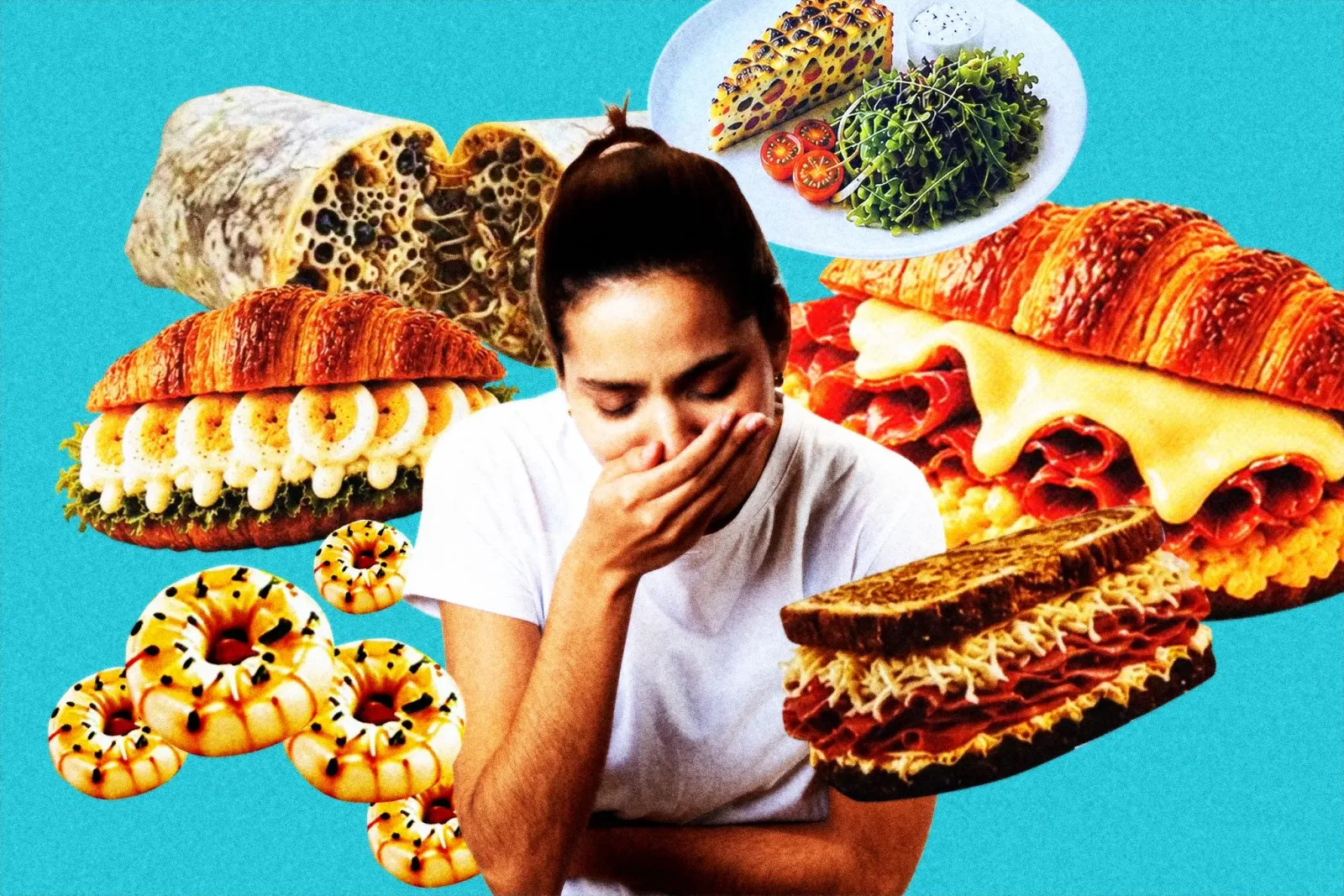
Restaurants and food brands are increasingly using AI image generators to create promotional content, and the results range from unappetizing to genuinely disturbing, according to The Verge. We're seeing shrimp that look like donuts, noodles that resemble worms, and burgers that defy the laws of both physics and gastronomy. The problem isn't just that these images look bad. It's that they reveal a fundamental truth about how current AI image models work.
Diffusion models like Midjourney, Stable Diffusion, and DALL-E learn by analyzing millions of images and identifying statistical patterns. They know what pixels tend to appear near other pixels in photos tagged as food, but they have no concept of how food actually exists in three-dimensional space, how different textures interact, or what makes something look edible versus revolting. When you ask for a burger, the model generates something burger-adjacent based on visual patterns, not an understanding of bread, meat, and condiments as discrete physical objects.
This explains the recurring nightmares: holes where there shouldn't be holes (trypophobic triggers), materials bleeding into each other (ice cream that looks like concrete), and impossible structural configurations. The AI is optimizing for looking like its training data, not for coherence or appetizing presentation. It's the visual equivalent of a language model confidently hallucinating facts because the words sound right together.
The business implication is significant. While AI image generation can save money on food photography, using it carelessly creates an uncanny valley effect that actively repels customers. A weird burger image doesn't just fail to attract, it makes people question the competence and judgment of the brand using it. The cost savings evaporate if your marketing makes people uncomfortable.
The deeper issue is that many marketers don't seem to notice or care about the quality degradation. They see a tool that produces images quickly and cheaply, and they deploy it without quality control. This is the same pattern we've seen with AI-generated text: the technology enables volume, but volume without editorial judgment produces garbage at scale.
Smart food businesses are either sticking with real photography or using AI as a starting point that gets heavy human refinement. The ones flooding social media with AI slop are making a short-term cost optimization that damages their brand perception. In a visual medium like food marketing, where appetite appeal is everything, this is particularly self-defeating.
What this means for you: if you're creating any visual content for food, hospitality, or physical products, treat AI image generators as rough draft tools, not finished output. A practical workflow: use AI to quickly explore composition and lighting concepts, then recreate the promising ones with real photography or heavy manual editing. When reviewing AI-generated images, specifically check for physically impossible configurations, unnatural textures, and the telltale signs (strange holes, merged objects, uncanny materials). Your prompt to an AI assistant: "Review this AI-generated product image and identify any physically impossible elements, unnatural textures, or details that would make viewers uncomfortable. List specific issues to fix."
Reporting basis: original story
← back to The Wire