
the wire · #global · 2026-08-10
Why Are So Many People Upset About Flock Cameras?
Cech Tech Reviews
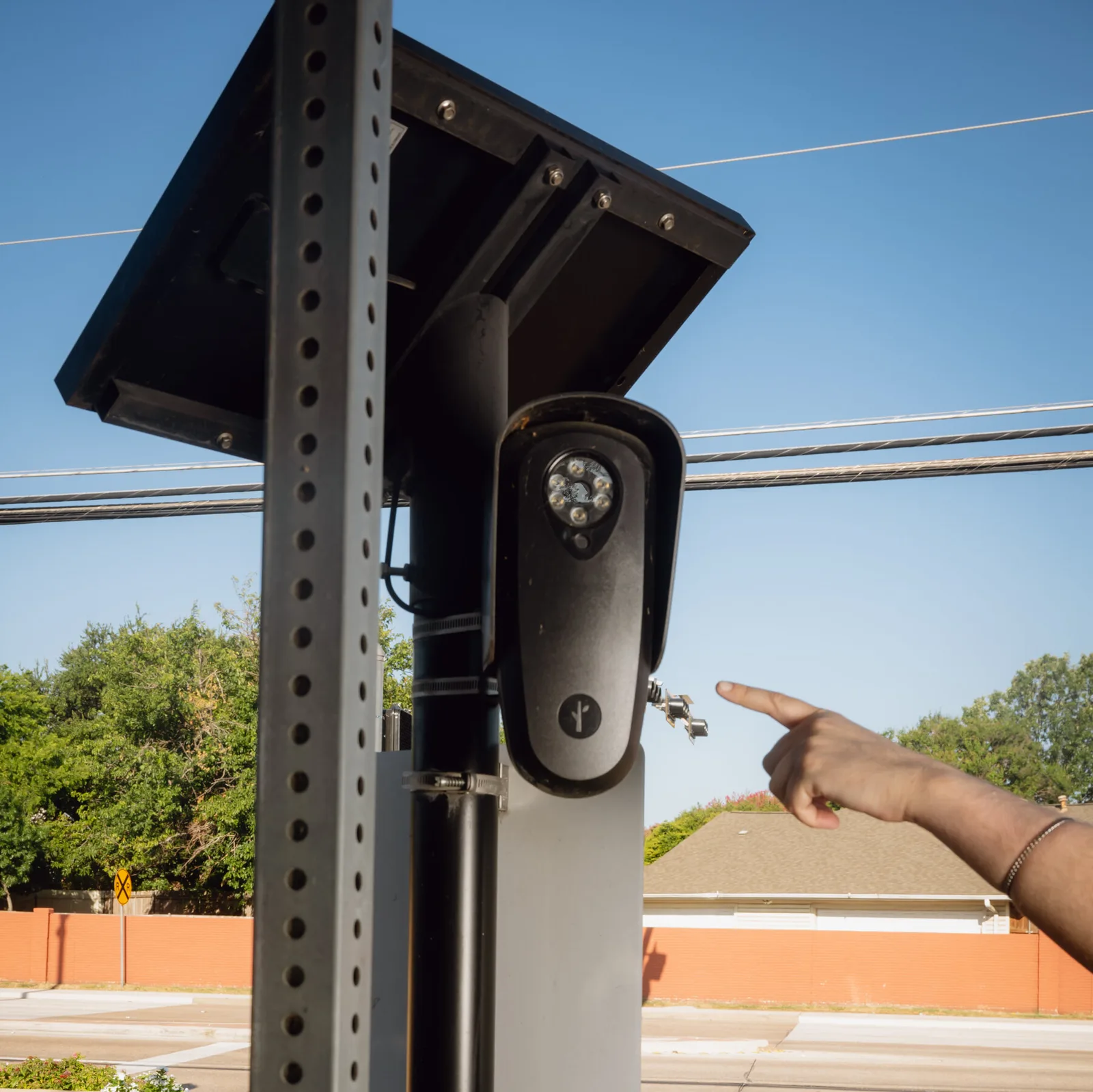
The quiet expansion of surveillance technology into our daily lives has reached a fever pitch. Flock Safety, a company that installs automated license plate readers on private properties, has become the focal point of a growing debate. According to recent reporting, thousands of law enforcement agencies now rely on this network. However, the sheer scale of this operation is drawing intense criticism from civil liberties groups who argue the system lacks necessary oversight.
The core of the controversy lies in the opacity of the data handling process. These cameras do not just capture plates when a crime is reported. They continuously scan and store license plate data, creating a comprehensive log of vehicle movements. Critics point out that this creates a digital trail of where individuals go, when they go there, and who they might be meeting. This level of persistent monitoring feels invasive to many citizens who value their privacy.
Transparency is another major sticking point. Law enforcement agencies often use these tools without clear public notification. People rarely know that a camera on a nearby business or home is recording their vehicle. This lack of consent is a significant concern for privacy advocates. They argue that citizens should have a say in how their movement data is collected and used by the state.
The business model of Flock Safety also raises ethical questions. The company provides its hardware and software to police departments, often at little to no cost. This arrangement creates a dependency that can skew priorities toward surveillance rather than community safety. The profit motive behind mass data collection is a red flag for those who believe public safety should not be commodified in this way.
Legal frameworks have struggled to keep pace with this technology. Current laws were not designed for continuous, automated tracking of public spaces. Courts are now being asked to define the boundaries of what is permissible. This legal uncertainty leaves both law enforcement and citizens in a gray area. It remains unclear how long data can be retained or who else might have access to it.
The implications for AI and tech professionals are significant. As we build more autonomous systems, we must consider the societal impact of data collection. Just because we can track everything does not mean we should. Ethical design requires building in privacy safeguards from the start. This case serves as a cautionary tale for the entire industry.
What this means for you: If you are building AI tools or managing data, prioritize transparency and user consent. Do not assume that public data is free for unlimited use. You can start by auditing your own data practices to ensure they align with emerging privacy standards. Try using an AI assistant to draft a privacy impact assessment for your current projects. Ask it to identify potential risks in data retention and sharing policies. This proactive approach can help you avoid similar controversies in the future.
Reporting basis: original story
← back to The Wire

![Hands-on: This modular controller slides open to transform your iPhone into a mobile game console [Video]](https://aideaflow.com/api/img/news/dc2e84b8f0deb35a.webp)