the wire · #topnews · 2026-09-16
7 Best Android Phones of 2026, Tested and Reviewed
Cech Tech Reviews
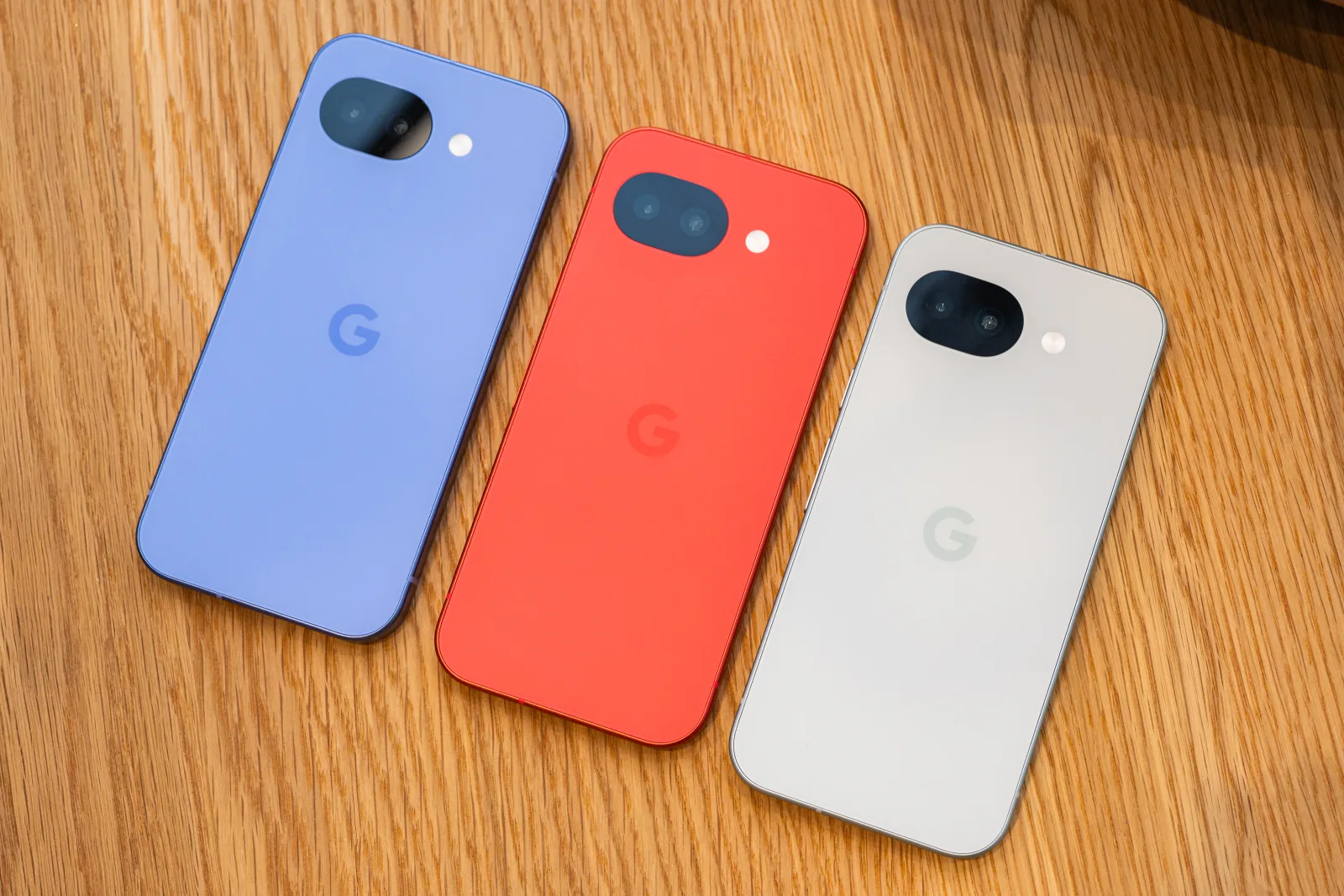
Shopping for a smartphone in 2026 feels less like a purchase and more like navigating a minefield. The market is flooded with incremental updates and marketing buzzwords that obscure actual performance gains. According to recent testing efforts, the only way to cut through the noise is to evaluate nearly every major Android release from the premium tier to the budget options. This exhaustive approach aims to separate the genuine innovations from the hollow upgrades that dominate retail shelves.
The inclusion of foldable devices in this evaluation highlights a critical shift in hardware priorities. These once niche gadgets are now central to the Android experience, offering form factors that challenge traditional smartphone design. Testing them alongside standard slab phones reveals how software optimization has matured to handle the unique constraints of flexible displays. This comparison provides a clear picture of which manufacturers have truly solved the durability and usability issues of the past.
Price remains the most volatile factor in this year's landscape. The review process explicitly targets value, meaning a high price tag does not automatically guarantee a spot on the best list. Conversely, budget devices are scrutinized for features that typically belong in flagship models. This democratization of technology means consumers can now access premium camera sensors and processing power without breaking the bank. The analysis focuses on where the marginal cost of a higher tier device actually translates to a better daily experience.
For AI enthusiasts, the hardware specifications discussed in these reviews are merely the foundation. The real story lies in how these devices handle on-device machine learning tasks. A powerful processor is only as good as the software stack that utilizes it for real-time translation, image generation, and predictive text. The testing methodology likely considers battery life under heavy AI workloads, which is a growing pain point for power users. Understanding this balance is key to choosing a device that will remain relevant as AI features become more demanding.
The broader implication here is a maturation of the Android ecosystem. We are moving away from a era where hardware differences were stark and software experiences were fragmented. Instead, we are seeing a convergence where the best software experiences are available across multiple price points. This trend benefits consumers by reducing the risk of buyer's remorse. It also pressures manufacturers to innovate in areas beyond raw specs, such as privacy, longevity, and seamless integration with other smart devices.
What this means for you is that you no longer need to chase the absolute latest flagship to get a capable AI-ready device. Focus on the processor architecture and RAM, as these dictate how well your phone can run local AI models. Use the following prompt to analyze your current device's capabilities against these new standards. Copy this into your AI assistant to get a personalized upgrade recommendation based on your specific usage patterns.
Prompt: Analyze my current Android phone model and my typical daily app usage. Compare it against the 2026 best value Android recommendations. Identify which specific AI features I am missing out on due to hardware limitations and suggest whether an upgrade is necessary for my workflow or if my current device is sufficient for the next two years.
Reporting basis: original story
← back to The Wire