the wire · #topnews · 2026-09-16
Hackers Got Inside a Flock Camera. Its Data Shows How the System Really Works
Cech Tech Reviews
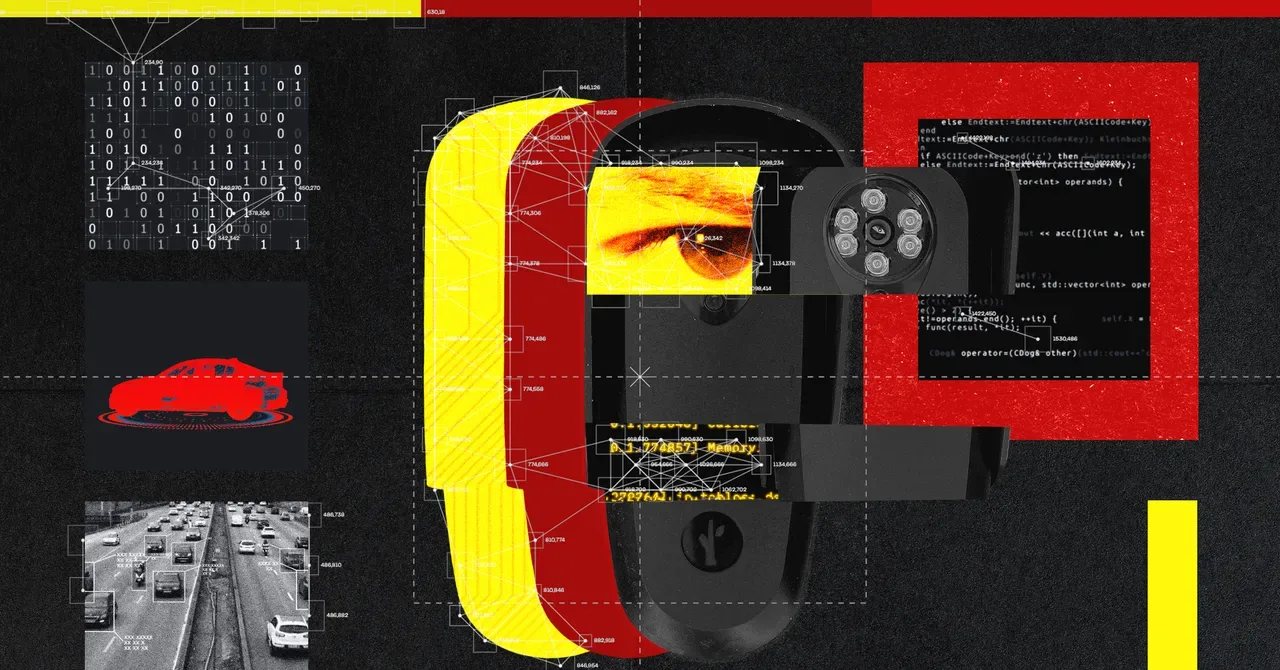
A hacker collective just gave us an unfiltered look at how pervasive automated surveillance has become in American neighborhoods. After physically removing a Flock Safety camera and dumping its contents, the group revealed that a single device captured 1.6 million images of roughly 50,000 vehicles over just 21 days, according to reporting on the leaked data.
That's not a typo. One camera, three weeks, 50,000 cars. Flock Safety markets these systems to neighborhoods and police departments as a public safety tool, but the leaked data shows the sheer volume of tracking happening without most people realizing it. Every passing car gets photographed, logged, and stored, creating a detailed map of movement patterns for entire communities.
The breach matters because Flock has been aggressive about downplaying how much data these systems actually collect. They emphasize that cameras only capture license plates, not faces, but the leaked logs show timestamps, locations, and vehicle details that paint a surprisingly complete picture of daily routines. String together enough of these data points and you can infer where someone works, who they visit, and when they're away from home.
This is where AI makes surveillance exponentially more powerful. Modern license plate recognition systems don't just store images, they use computer vision models to extract text, classify vehicle types, and flag patterns in near real time. The same technology that helps you search your photo library is now tracking millions of vehicles without warrants or oversight.
For AI builders and entrepreneurs, this leak is a reminder that computer vision tools are dual use technology. The same models powering helpful applications can enable mass surveillance when deployed at scale. If you're building anything that processes images or video, think hard about access controls, data retention, and whether your system could be repurposed for tracking.
What this means for you: If you're working on AI applications that handle location data, images, or behavioral patterns, build privacy protections from day one, not as an afterthought. Here's a prompt to audit your own projects: "List all the data points my application collects or could infer about users. For each one, explain how it could be misused if the database was breached or accessed by law enforcement without proper oversight. Then suggest the minimum data retention period needed for the app to function."
The Flock breach won't stop automated surveillance, but it should make anyone building AI tools ask harder questions about what they're creating and who ultimately controls it.
Reporting basis: original story
← back to The Wire