the wire · #topnews · 2026-08-18
Satellite operators are in panic mode due to a worsening launch crisis
Cech Tech Reviews
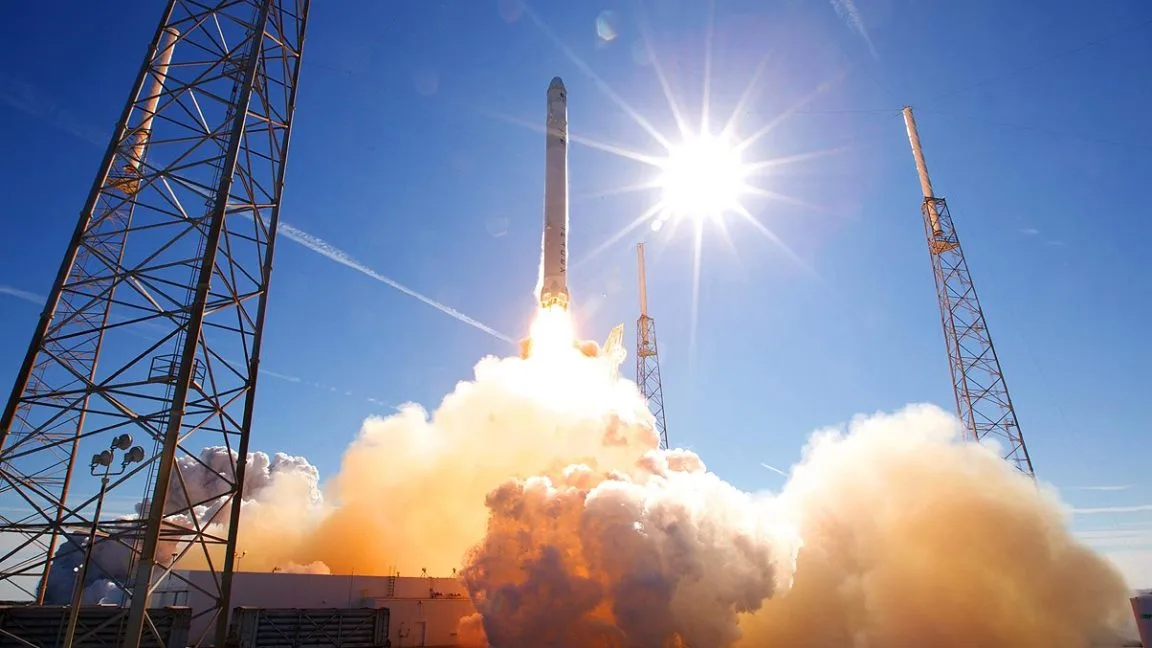
The space launch industry is currently experiencing a bizarre and counterintuitive moment. According to recent reporting, we are living in what should be the golden age of orbital access. Over the last three years, the average number of orbital rocket launches has climbed to roughly 270 per year. This figure represents a more than threefold increase compared to just a decade ago. By every standard metric, the industry is performing exceptionally well. Prices are more competitive than ever, and the speed of access to orbit has never been faster.
Yet, beneath this surface-level success, satellite operators are reportedly in a state of panic. Despite the surge in launch activity, there is a growing crunch in actual launch availability. This paradox suggests that the infrastructure required to support the next wave of space-based services is not keeping pace with demand. The bottleneck is not necessarily in the number of rockets flying, but in the capacity to schedule and execute those flights reliably.
This situation is particularly concerning for companies building mega-constellations. These projects require precise, high-volume deployment schedules to maintain orbital integrity and coverage. When launch windows become scarce or unpredictable, the entire business model faces risk. The current volume of launches might be absorbing all available slot capacity, leaving little room for new entrants or urgent missions. This creates a barrier to entry that could stifle innovation in the commercial space sector.
The implications extend beyond just scheduling headaches. As more data becomes dependent on low-earth orbit networks, any disruption in launch capability can ripple through global communications. Investors and entrepreneurs need to recognize that hardware production is only half the battle. The logistics of getting that hardware into space are becoming the new critical constraint. This shift changes how we should evaluate the health of the space economy.
From an AI perspective, this bottleneck presents a unique optimization challenge. The complexity of coordinating launches, fueling, weather windows, and orbital slots is immense. Traditional scheduling methods may no longer be sufficient to manage this level of density. We are likely to see a surge in demand for AI-driven logistics solutions that can predict and mitigate these delays before they happen. This is a prime area for technological intervention.
The industry must now focus on solving the availability crisis rather than just increasing launch frequency. This might involve developing more flexible launch platforms or improving the turnaround time between flights. Without addressing this bottleneck, the promised benefits of cheaper and more frequent space access will remain out of reach for many. The golden era is here, but it is currently gated by logistical constraints.
What this means for you is that the next frontier in tech is not just building better satellites, but managing the chaos of getting them there. If you are working in logistics, supply chain, or even satellite data analysis, understanding these bottlenecks is crucial. You can start by exploring how AI can optimize complex scheduling problems. Try using an AI assistant with this prompt: Analyze the variables that cause delays in high-frequency launch schedules and propose three AI-driven workflow improvements to increase slot availability by ten percent.
Reporting basis: original story
← back to The Wire