the wire · #topnews · 2026-09-16
Self-Driving Cars Might Change Crash Testing Forever
Cech Tech Reviews
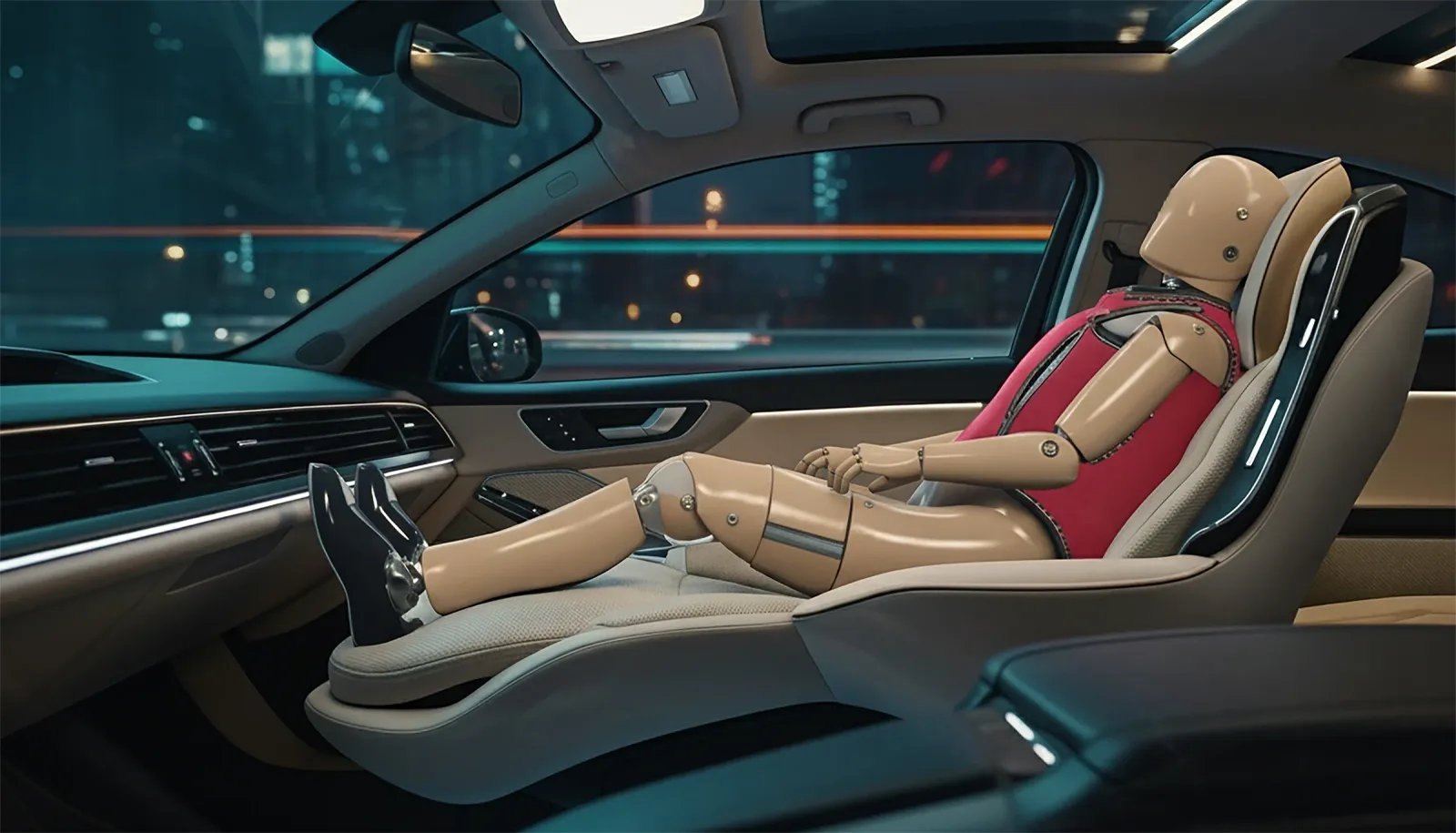
The way we test vehicle safety is about to undergo a radical transformation. For decades, crash testing has revolved around human dummies, airbags, and crumple zones designed to protect drivers and passengers. But as autonomous vehicles move from concept to reality, those traditional metrics are becoming less relevant. Governments and regulators are now facing a new challenge: how do you test a machine that doesn't have a human behind the wheel? According to recent reports, the very act of lying in a car during a crash test is becoming a relic of the past. This shift isn't just about comfort. It is about redefining what safety means in an era where the car makes the decisions.
The core issue is that current safety standards assume a human is in control. They measure how well a car protects you when things go wrong. But in a self-driving car, the goal is to prevent things from going wrong in the first place. This requires a different approach to testing. Instead of just impact resistance, we need to evaluate how well the AI perceives the world and reacts to it. This means moving from physical crash tests to extensive simulation and real-world data analysis. The focus shifts from surviving a crash to avoiding it entirely.
This change has profound implications for the automotive industry. Manufacturers can no longer rely on legacy safety features alone. They must invest heavily in sensor technology, machine learning algorithms, and redundancy systems. The cost of development is likely to increase as companies navigate this uncharted territory. However, the potential payoff is a significant reduction in accidents. If we can train AI to react faster and more accurately than any human, we could save thousands of lives. This is not just an engineering challenge. It is a societal one.
Regulators are playing a crucial role in this transition. They are tasked with creating new standards that account for software reliability and ethical decision-making. This is a complex process that requires collaboration between engineers, ethicists, and policymakers. The stakes are high. A single failure in an autonomous vehicle can have devastating consequences. Therefore, the testing protocols must be rigorous and transparent. We need to trust that these machines are safer than human drivers. But trust must be earned through data and evidence.
For AI enthusiasts and tech professionals, this shift offers a fascinating glimpse into the future of safety. It highlights the limitations of traditional engineering in the face of AI-driven innovation. We are moving from a world of mechanical safety to one of computational safety. This requires a new set of skills and a new mindset. Understanding how AI systems make decisions is becoming just as important as understanding how engines work. The intersection of AI and automotive safety is where the next wave of innovation will happen.
What this means for you is that the definition of safety is evolving. As you interact with autonomous systems, whether in cars or other devices, keep in mind that safety is no longer just about physical protection. It is about algorithmic reliability. To stay ahead, try using an AI assistant to simulate ethical scenarios in autonomous driving. Ask it to analyze the trade-offs between different decision-making algorithms in a hypothetical crash scenario. This exercise can help you understand the complex ethical and technical challenges facing the industry today.
Reporting basis: original story
← back to The Wire