the wire · #ai · 2026-11-20
A brief history of Nvidia’s recent stock fluctuations
Cech Tech Reviews
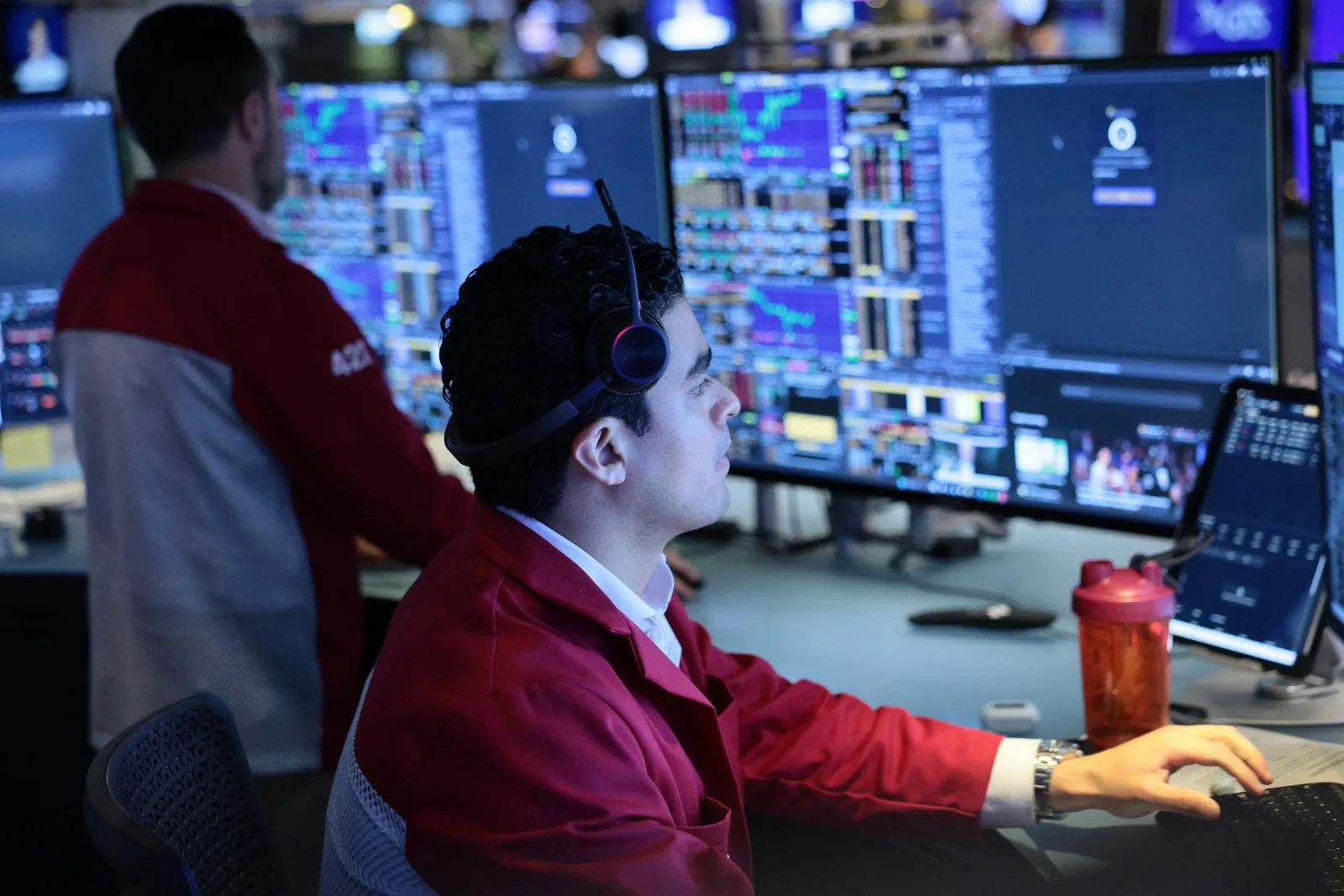
The narrative around Nvidia is undergoing a rapid and painful correction. According to reporting by The Verge, interim CEO Colette Kress attempted to project confidence during the third-quarter earnings call, stating, "We've got this." That sentiment did little to stabilize the market, as the stock price hovered around $150 per share by Thursday. This represents a nearly 40 percent drop from its all-time high just weeks prior on October 6th.
The timing of this decline is particularly stark. The stock had briefly popped following the earnings release on Tuesday night, only to see those gains completely erased. This volatility suggests that investors are no longer rewarding top-line growth alone. The market is signaling that it wants to see how that revenue translates into long-term stability and execution, not just quarterly spikes.
Meanwhile, the broader AI ecosystem is showing signs of a different kind of momentum. Wall Street is paying a premium for Nvidia’s biggest customers, most notably Anthropic. The company made its Nasdaq debut at $111.50 per share, a 34 percent jump above its expected range. This move indicates that investors are betting heavily on the software and model layers of the stack, rather than just the underlying hardware.
Looking at the numbers, Nvidia’s third quarter was undeniably strong. Revenue more than doubled from the same period last year, a testament to the insatiable demand for AI infrastructure. However, the market’s reaction suggests a maturation phase. The era of blind enthusiasm for chipmakers is giving way to a more nuanced evaluation of the entire AI value chain.
This divergence between Nvidia’s stock performance and Anthropic’s IPO success is a critical signal. It implies that while the demand for compute remains high, the profitability and valuation models for AI companies are being recalibrated. Investors are looking for sustainable business models that can monetize these massive infrastructure investments effectively.
For professionals in the tech space, this shift means that the hype cycle is entering a reality check phase. The focus is moving from who can build the biggest chips to who can build the most valuable and efficient applications. This is a healthy correction that will likely lead to more disciplined investment in the AI sector.
What this means for you: If you are building AI products, stop focusing solely on infrastructure costs. Start modeling your unit economics with the scrutiny of a public market investor. Use an AI assistant to simulate different pricing and usage scenarios to ensure your business model can survive a market that demands profitability over pure growth. Try this prompt: "Act as a CFO for an AI startup. Analyze this revenue model and identify three areas where we might be overestimating customer willingness to pay based on current market trends."
Reporting basis: original story
← back to The Wire