the wire · #ai · 2026-11-19
Trump’s latest land grab is an AI hub in the Philippines
Cech Tech Reviews
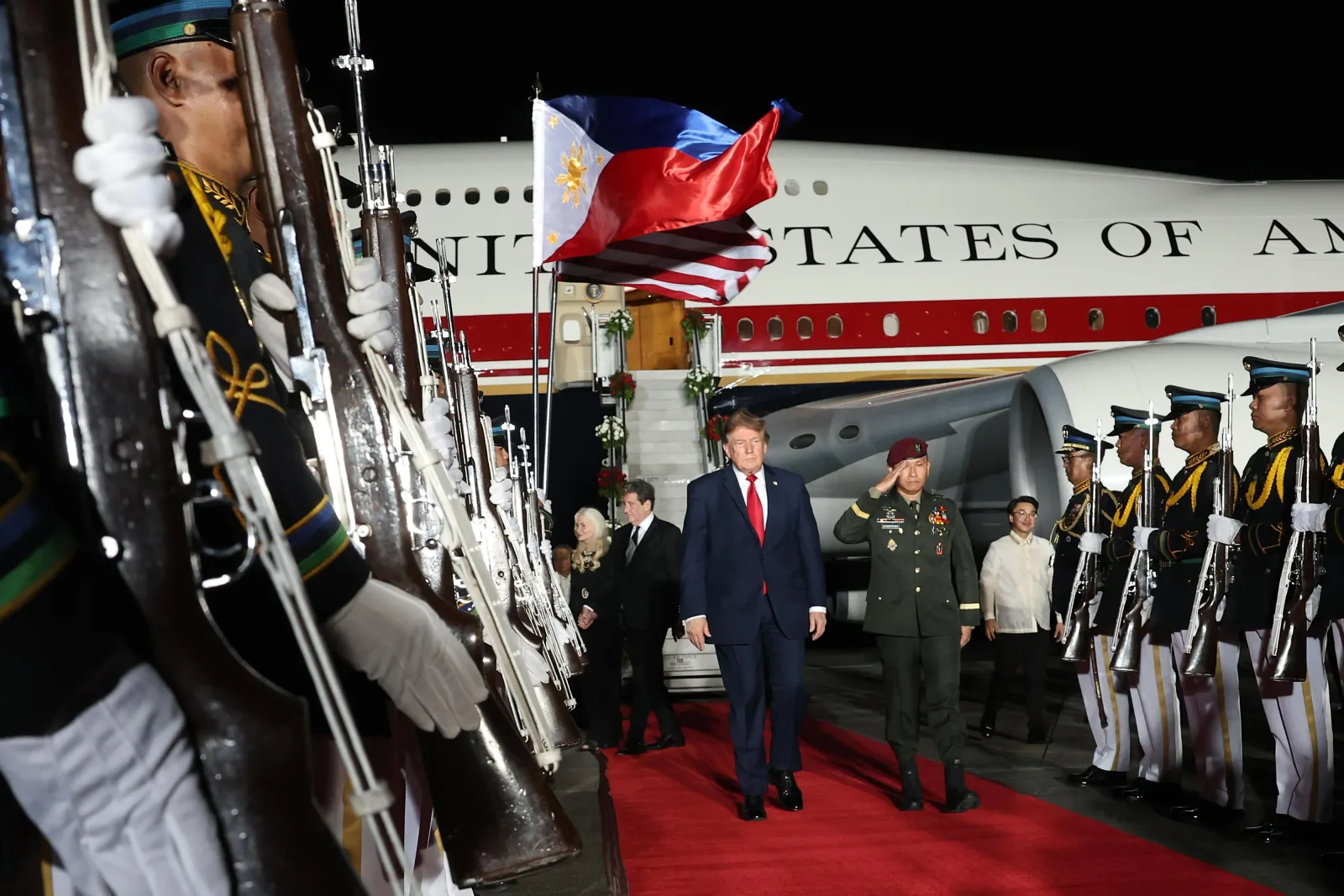
The recent arrival of President Donald Trump in Manila marks more than just a diplomatic stopover. It represents a significant escalation in the US strategy to secure the supply chains that power the global artificial intelligence boom. According to reporting by The Verge, this visit is tied to a broader initiative aimed at controlling the flow of chips and critical minerals essential for AI hardware.
The spectacle at Villamor Air Base was designed to project soft power. Local outlet Rappler noted that Trump was greeted by five beauty queens, a child with flags, and a band playing "YMCA." This theatrical welcome contrasts sharply with the hundreds of protesters lining the streets. These demonstrators carried signs demanding Trump leave and rejected the "Pax Silica" initiative, highlighting deep local skepticism about foreign control over national resources.
Pax Silica is the key term here. It refers to the US-led effort to create a secure, allied network for semiconductor manufacturing and raw material extraction. By framing this as a security issue, Washington is attempting to insulate the AI industry from geopolitical shocks. The goal is to reduce reliance on adversarial nations for the physical components that make AI possible.
This approach treats AI infrastructure like national defense. The protest signs referencing a "prop casket" suggest that many in the Philippines view this initiative as a potential death knell for local sovereignty. They fear that prioritizing US chip security might come at the expense of local economic autonomy or environmental standards.
For the AI industry, this signals a shift from pure innovation to supply chain fortification. Companies can no longer assume that access to GPUs and rare earth elements is guaranteed. The geopolitical landscape is fracturing, and tech firms must now navigate a complex web of trade restrictions and allied agreements to maintain their development pipelines.
The tension between the celebratory welcome inside the airport and the angry protests outside illustrates the global divide on this issue. While some nations see AI security as a path to prosperity, others view it as neo-colonial resource extraction. This dynamic will likely play out in other Southeast Asian nations as they weigh their partnerships with the US and China.
What this means for you: As an AI professional, you need to monitor supply chain risks closely. The era of frictionless global hardware access is ending. Consider diversifying your vendor relationships and staying informed about trade policies in key tech hubs. To stay ahead, try using an AI assistant to analyze recent trade policy changes and their potential impact on your specific tech stack or supply chain dependencies.
Reporting basis: original story
← back to The Wire