the wire · #topnews · 2026-08-26
AI Slop Is Ruining Cute Animals on the Internet
Cech Tech Reviews
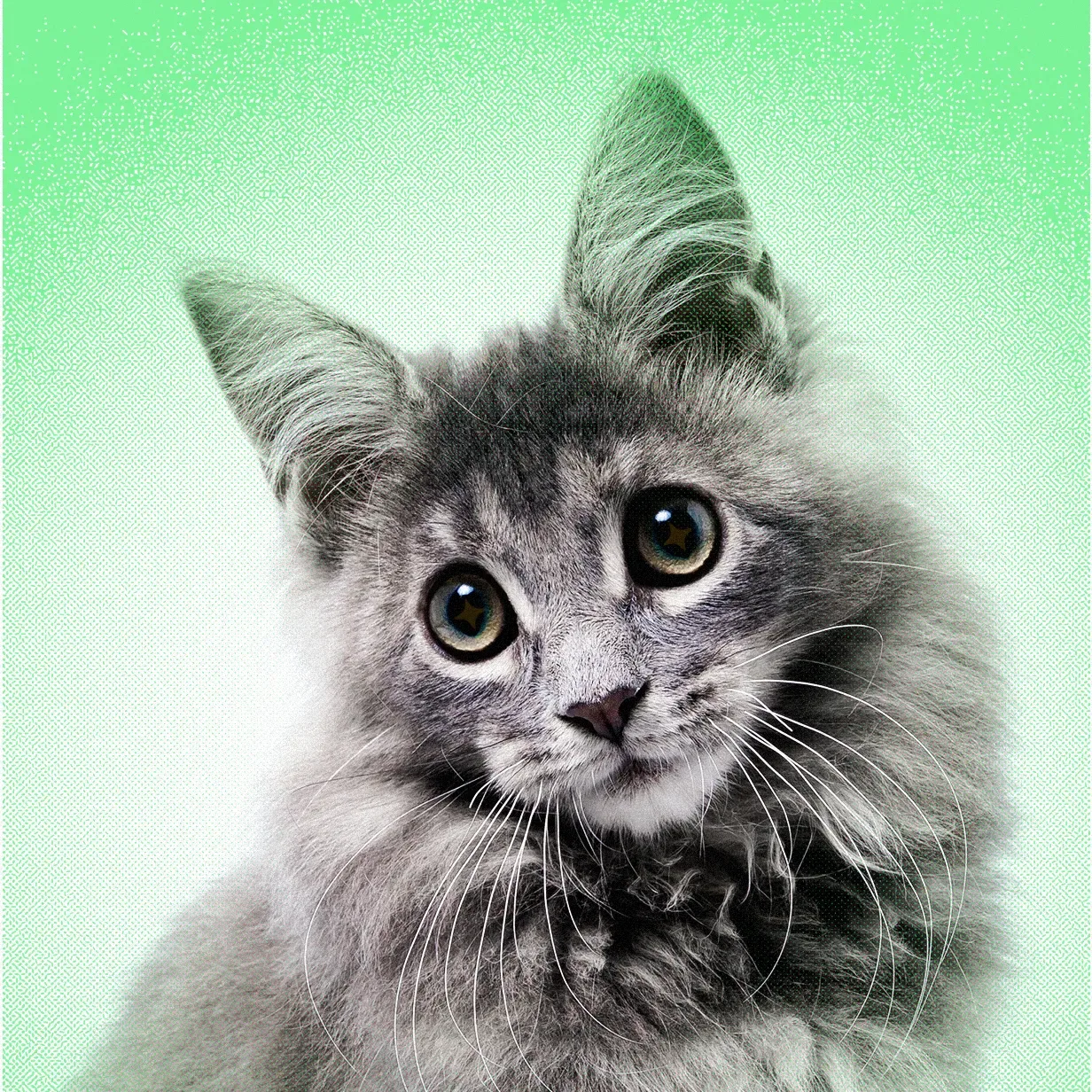
The internet has long been a sanctuary for genuine moments of animal charm. From rescue agency updates to wildlife photography, these images foster empathy and drive real-world support for conservation. Now, that ecosystem is under siege by a wave of hyper-realistic AI-generated content that is nearly indistinguishable from reality. According to recent reports, pet owners and wildlife groups are sounding the alarm as this synthetic flood makes it increasingly difficult to verify what is real.
This phenomenon, often referred to as AI slop, is not just a nuisance for social media users. It represents a significant operational challenge for organizations that rely on visual proof to secure funding and public trust. When a viral image of a polar bear or a rescued kitten turns out to be a digital fabrication, it erodes the credibility of the entire narrative. Donors and supporters may become skeptical of future posts, even those that are authentic and urgent.
The implications for wildlife conservation are particularly stark. Many organizations use striking imagery to highlight the plight of endangered species. If the public can no longer trust the visual evidence presented, the emotional connection required to drive action weakens. This creates a paradox where the very tools used to raise awareness might ultimately undermine the cause by diluting the impact of genuine stories.
For pet owners and rescue agencies, the stakes are slightly different but equally concerning. These groups often share heartwarming success stories to encourage adoptions and donations. The influx of fake content can drown out their voices, making it harder for them to reach potential adopters. It also complicates the verification process for journalists and researchers who rely on social media for sourcing stories.
The technical arms race between AI generators and detection tools is intensifying. While some platforms are beginning to label synthetic content, the sheer volume of uploads makes comprehensive moderation nearly impossible. This lag in detection allows misleading content to spread rapidly before corrections can be issued. The speed of dissemination often outpaces the ability to verify authenticity, leading to widespread confusion.
We are entering an era where visual literacy will become a critical skill. Users must develop a more skeptical approach to the content they consume online. This does not mean dismissing all animal videos as fake, but rather cultivating a habit of cross-referencing sources and looking for metadata or official verification. The burden of truth verification is shifting from the publisher to the consumer.
What this means for you: As an AI professional, you should integrate verification workflows into your content strategy. Use AI tools to analyze images for synthetic artifacts before publishing or sharing. Try this prompt with your AI assistant to help draft a verification checklist for your team: "Create a step-by-step checklist for verifying the authenticity of animal-related images found on social media, focusing on metadata analysis, reverse image search strategies, and source cross-referencing techniques."
The rise of AI slop is a reminder that technology amplifies both truth and deception. We must adapt our tools and habits to navigate this new landscape responsibly. By prioritizing verification and transparency, we can protect the integrity of animal advocacy and ensure that genuine stories continue to resonate with audiences worldwide.
Reporting basis: original story
← back to The Wire