the wire · #topnews · 2026-08-26
‘Darth Vader’ Wants You to Know He Definitely Supports Flock Surveillance
Cech Tech Reviews
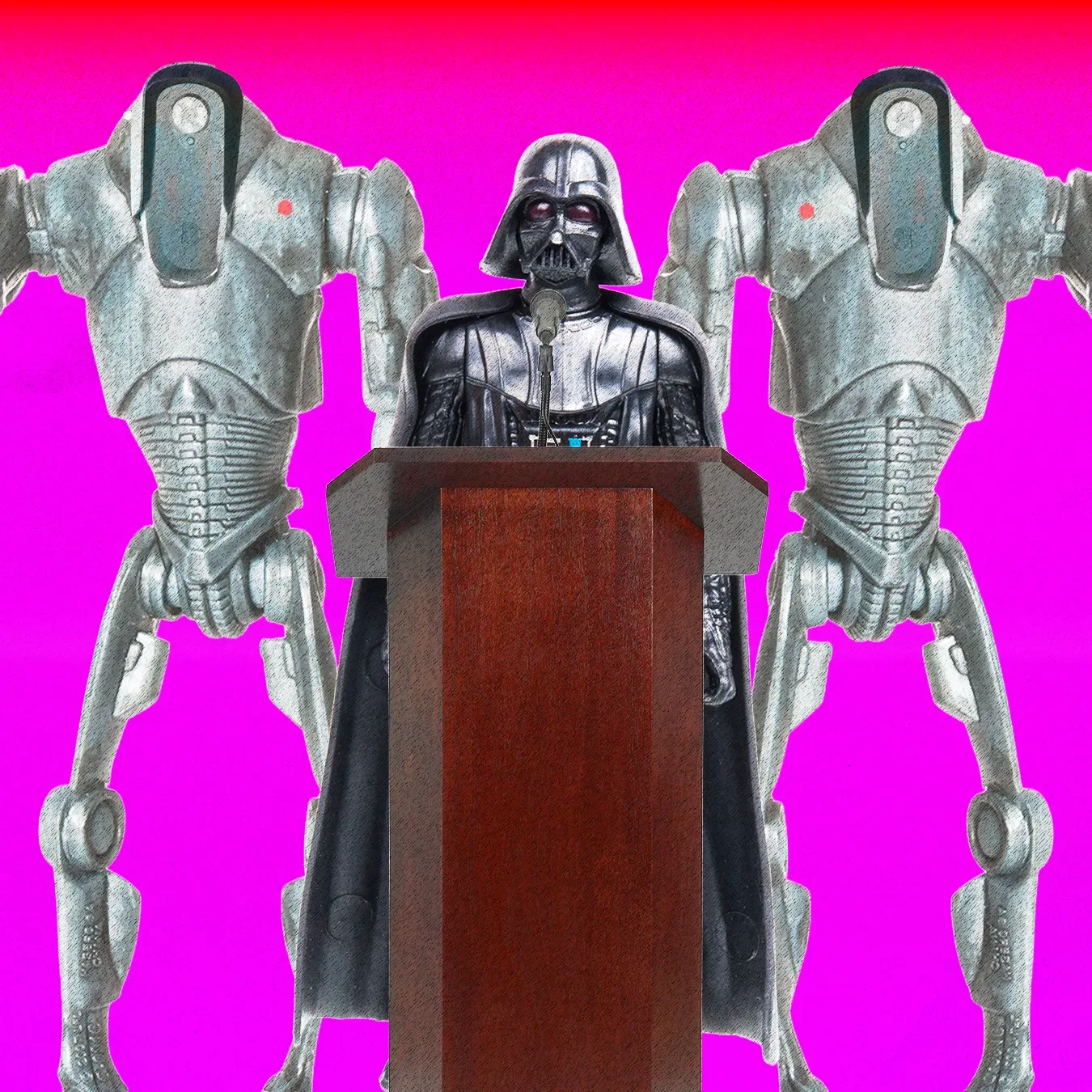
The debate over mass surveillance in American cities has taken a bizarre and theatrical turn in San Diego. According to reporting by local outlets, Anthony Ralphs decided that standard civic engagement was no longer enough to stop the city council's support for Flock surveillance cameras. He chose to embody the galaxy's most iconic villain to make his point, proving that sometimes you need more than just a petition to get attention.
Ralphs did not just show up in a costume. He actively engaged with the council members, using the persona of Darth Vader to argue against the installation of these automated license plate readers. The move was a deliberate attempt to frame the technology not as a neutral tool for safety, but as an instrument of authoritarian control. It is a stark reminder that the public perception of surveillance tech is shifting from acceptance to suspicion.
The Flock camera system has been a polarizing topic across the nation. Proponents argue it helps solve crimes and keeps communities safe. Critics, however, point to the potential for abuse, racial profiling, and the erosion of privacy rights. Ralphs' protest taps directly into these fears, suggesting that the technology creates a panopticon effect where citizens are constantly watched without their consent.
What makes this story particularly interesting for the AI community is the intersection of physical protest and digital surveillance. The cameras themselves rely on computer vision and machine learning to process data. By dressing as a villain associated with total control, Ralphs is personifying the algorithmic oversight that many fear. It is a visual metaphor for the black box nature of AI decision making in public spaces.
This incident also highlights the limitations of traditional advocacy. When policy makers seem entrenched in their support for tech solutions, creative disruption becomes necessary. Ralphs' approach shows that emotional resonance and humor can sometimes break through bureaucratic inertia. It is a lesson in communication strategy that applies to any field where you are trying to change minds.
The broader implication here is that the conversation around AI and surveillance is no longer just technical. It is cultural and political. People are starting to visualize the consequences of these technologies in tangible ways. The fear is not just about data breaches, but about the loss of autonomy in daily life. This emotional layer is often missing from technical debates about algorithmic bias.
For professionals working in AI ethics or public policy, this is a case study in public perception management. You cannot rely solely on facts and figures. You must also address the symbolic weight of the technology. Understanding how the public interprets these tools is just as important as how they function technically. The villain narrative is powerful because it resonates with deep cultural fears about power and control.
What this means for you: If you are building or deploying AI tools that affect public life, consider how your technology might be perceived symbolically. Use this prompt to test your own assumptions: 'Act as a skeptical community member. Critique the following AI surveillance feature from the perspective of someone who values privacy and fears authoritarian overreach. Identify the emotional triggers and suggest three ways to address these concerns in the user documentation.'
Reporting basis: original story
← back to The Wire