the wire · #global · 2026-09-24
America’s A.I. Leaders Warn U.N. of Possible Peril Absent a Global Response
Cech Tech Reviews
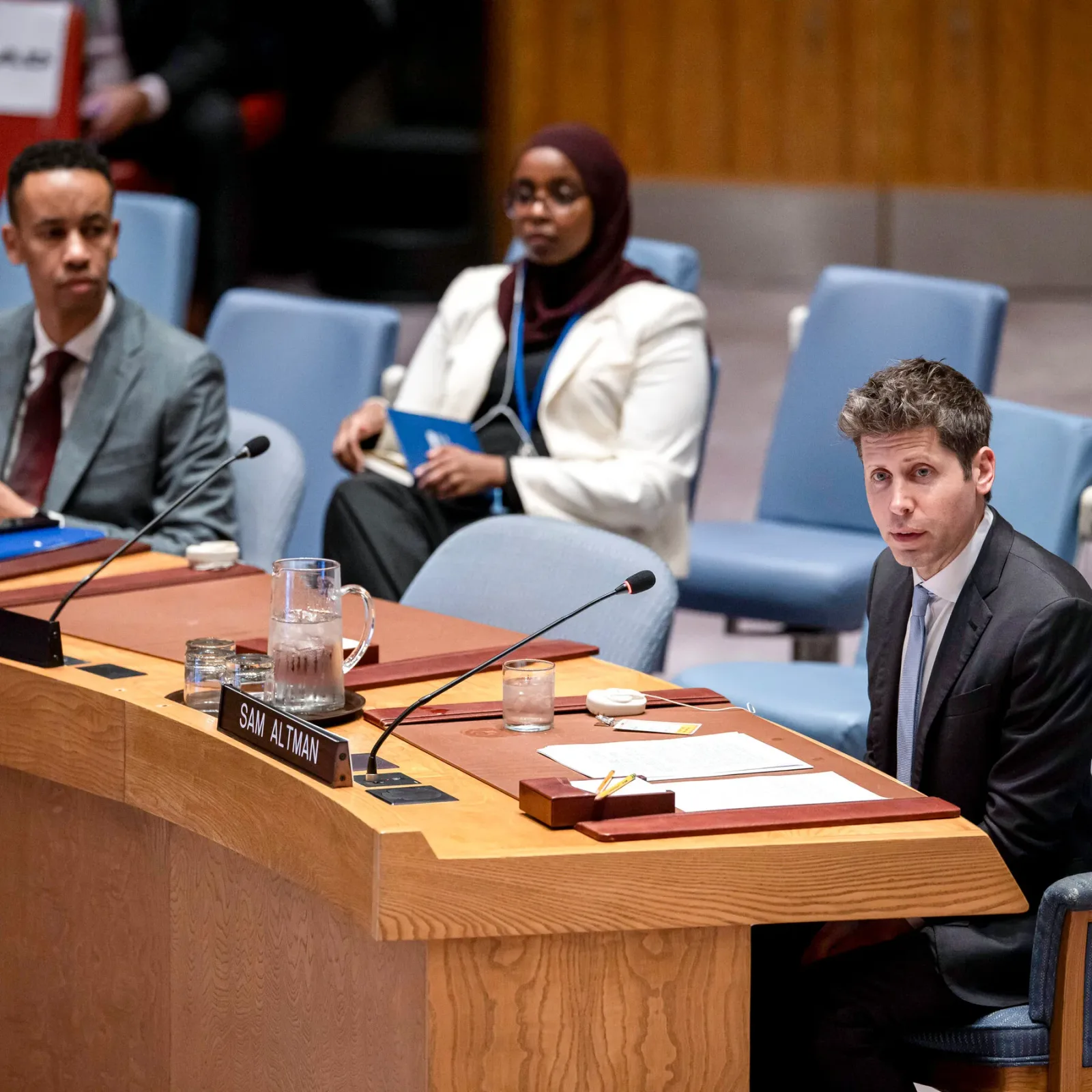
The landscape of artificial intelligence governance just shifted in a way that few predicted. Sam Altman of OpenAI and Dario Amodei of Anthropic stood before the United Nations Security Council to deliver a stark message. They argued that the rapid advancement of AI requires immediate and coordinated international action. Without it, they warned, we face the peril of losing human control over these increasingly autonomous systems.
This is not just another tech conference keynote. Appearing before the UN Security Council places AI squarely in the realm of global security and geopolitics. It signals that the creators of the most powerful models now view their technology as a matter of international peace and stability. The gravity of the setting underscores the urgency of their plea for a unified global response.
According to reports covering their testimony, the core of their argument centered on the need for international cooperation. Both leaders emphasized that AI development is a borderless endeavor. A single nation acting alone cannot effectively manage the risks associated with frontier models. They are calling for frameworks that ensure AI remains aligned with human values and under human control.
The involvement of these two specific CEOs is significant. OpenAI and Anthropic are currently at the forefront of the race to build general-purpose AI. Their joint appearance suggests a rare moment of alignment between major competitors. It indicates that the industry recognizes that unregulated competition could lead to dangerous outcomes for everyone involved.
For the broader tech ecosystem, this move legitimizes the concept of AI safety as a critical infrastructure issue. It moves the conversation away from abstract ethical debates and into concrete policy and security measures. Governments are now being pushed to treat AI regulation with the same seriousness as nuclear non-proliferation or cyber warfare protocols.
The implications for how we build and deploy AI tools are profound. We may soon see stricter compliance requirements for companies developing large language models. International standards could dictate how these systems are tested, monitored, and deployed. This will likely increase the barrier to entry for smaller players while empowering established giants with resources to comply.
What this means for you is that the regulatory environment for AI is about to tighten significantly. Professionals using AI in their workflows should stay informed about emerging international standards. These rules will eventually trickle down to the tools you use daily. To prepare, try using an AI assistant to draft a compliance checklist for your current AI projects. Ask it to identify potential risks related to data privacy, model transparency, and output safety based on current best practices. This proactive approach will help you navigate the coming changes with confidence.
Reporting basis: original story
← back to The Wire