the wire · #global · 2026-09-22
An A.I. Image of Trump Kissing a Woman Was Fake. It Spread Anyway.
Cech Tech Reviews
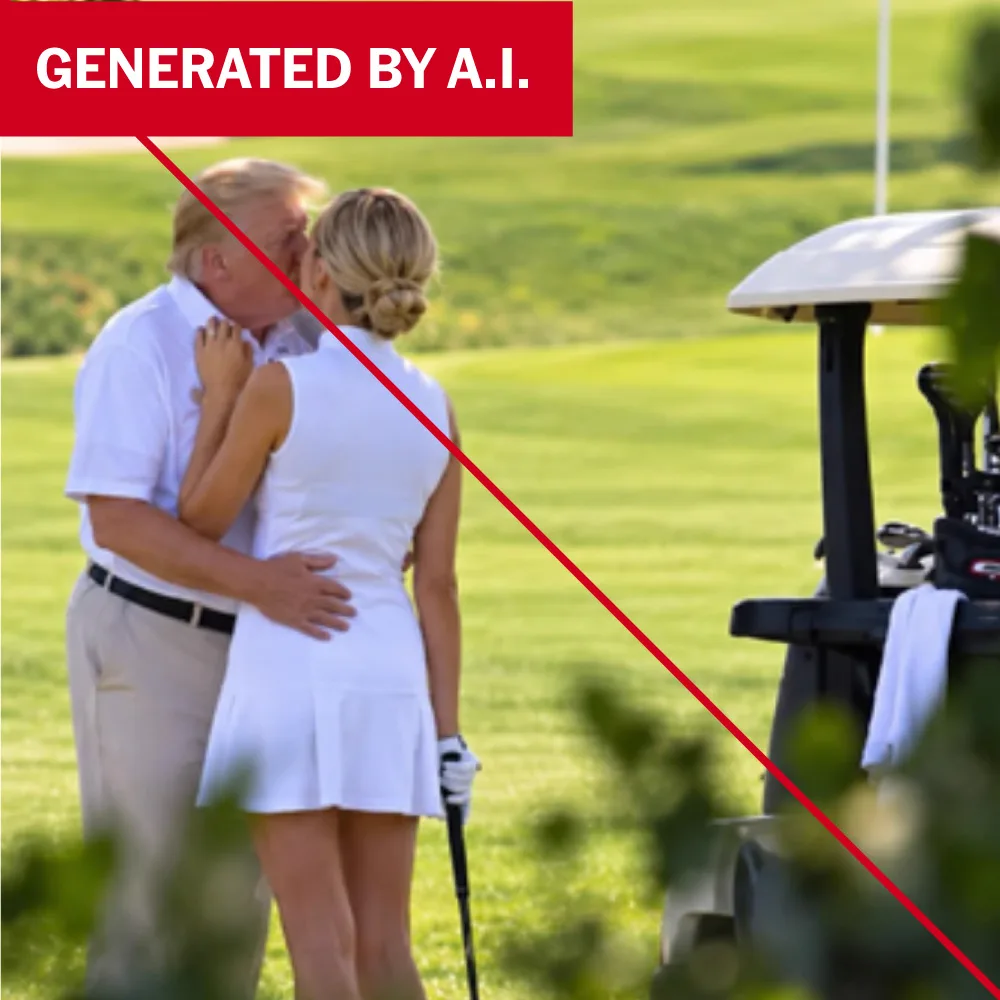
The recent circulation of a fabricated image depicting Donald Trump kissing a woman serves as a stark reminder of the fragile state of digital truth. According to recent reports, this specific visual was generated by artificial intelligence, yet it managed to gain significant traction online before being debunked. This is not an isolated incident but rather a symptom of a much larger, systemic issue affecting how we consume information in the modern era.
The ease with which these images are created has outpaced our collective ability to verify them. Advanced generative models can now produce photorealistic content that is nearly indistinguishable from reality to the untrained eye. This technological leap means that the burden of proof has shifted entirely onto the viewer, who must now scrutinize every image with a heightened level of skepticism.
Social media algorithms play a crucial role in amplifying such content. These platforms are designed to prioritize engagement, and controversial or shocking visuals often trigger rapid sharing regardless of their veracity. The speed at which misinformation spreads frequently outstrips the capacity of fact-checkers and platform moderators to intervene effectively.
This situation highlights a critical gap in digital literacy. While many users are aware that AI exists, few possess the technical skills to identify subtle artifacts or inconsistencies in synthetic media. The lack of widespread education on how to detect deepfakes leaves the general public vulnerable to manipulation and deception.
The implications for political discourse are particularly concerning. When visual evidence can be easily fabricated, the foundation of public debate erodes. Trust in media outlets and digital platforms diminishes as users become unsure of what is real and what is constructed. This uncertainty can lead to apathy or cynicism, further complicating efforts to maintain an informed citizenry.
We are entering an era where seeing is no longer believing. The distinction between reality and simulation is blurring at an alarming rate, requiring new tools and strategies for verification. As AI technology continues to evolve, the challenge of maintaining authenticity will only become more difficult without significant advancements in detection methods.
What this means for you is that you must adopt a proactive approach to verifying visual content. Do not share images based solely on their emotional impact or headline value. Instead, take a moment to reverse image search or look for official sources before spreading information.
Try using this prompt with an AI assistant to analyze suspicious images: "Analyze this image for signs of AI generation. Look for inconsistencies in lighting, shadows, skin texture, and background details. Provide a confidence score for authenticity based on visual artifacts."
Reporting basis: original story
← back to The Wire