the wire · #gadgets · 2026-09-13
Apple planning three major changes for its retail stores, per report
Cech Tech Reviews
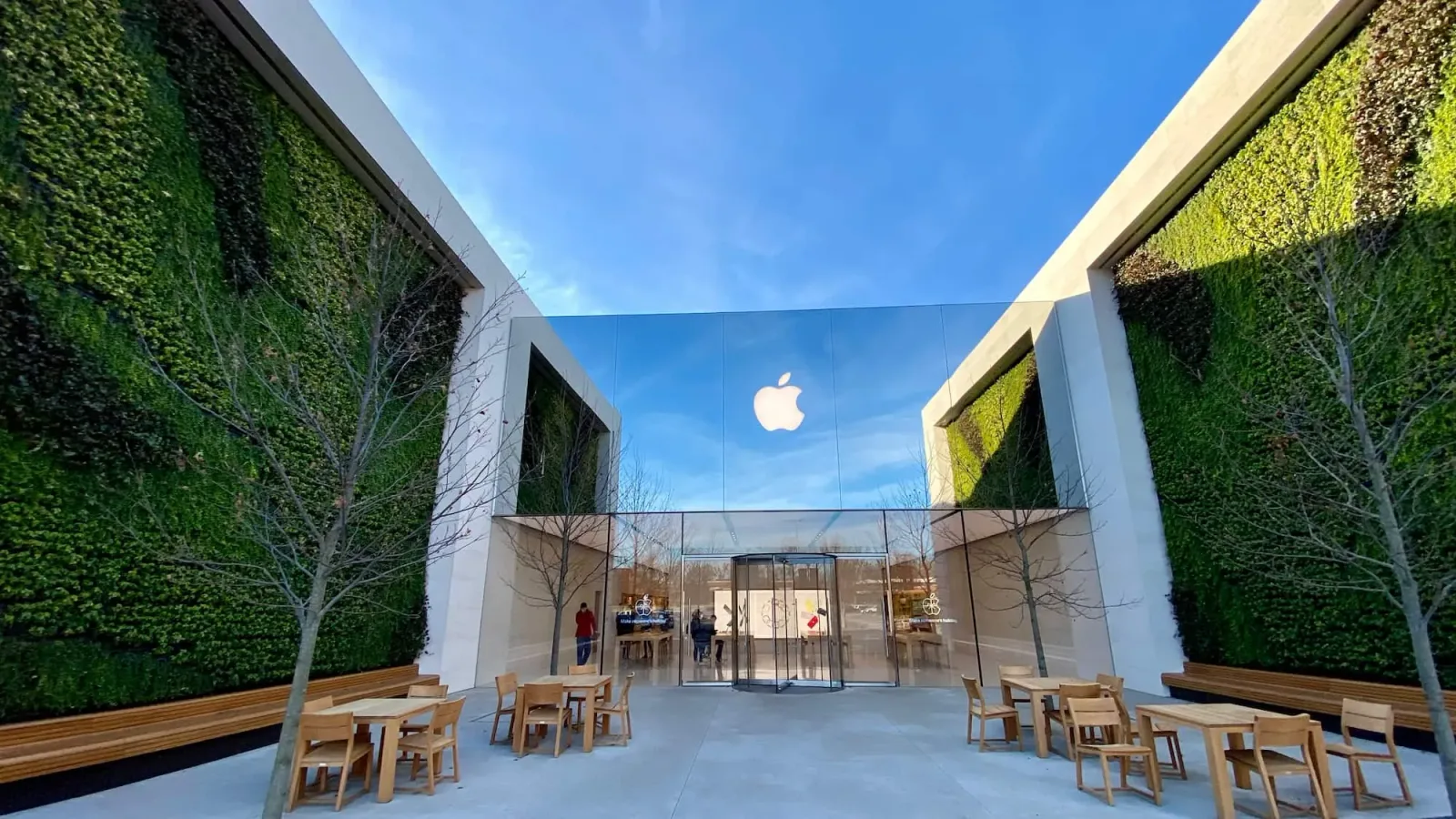
Apple is reportedly preparing significant shifts in its physical retail strategy, according to a new report from Bloomberg. The most notable change involves the return of dedicated Genius Bars, a feature that has been scaled back or integrated into general support roles in recent years. This move suggests a recognition that complex hardware and software issues still require specialized, in-person expertise.
For an audience deeply invested in AI and technology, this retail evolution offers a fascinating glimpse into how major tech giants are balancing automation with human intervention. As AI tools become more embedded in our daily workflows, the line between software support and hardware troubleshooting is blurring. Apple’s decision to reinstate these dedicated service hubs indicates that even in an age of self-service, the demand for expert human assistance remains strong.
The implications for the broader tech industry are substantial. We are seeing a trend where companies are realizing that AI cannot fully replace the nuanced problem-solving required for high-end consumer electronics. While chatbots and automated diagnostics are efficient for simple queries, they often fall short when dealing with intricate hardware failures or complex software integrations. Apple’s strategy appears to be doubling down on the premium experience that differentiates its brand from competitors who rely more heavily on digital support channels.
This shift also reflects a broader consumer sentiment regarding trust and reliability. In the AI era, where misinformation and hallucinations are real concerns, consumers are increasingly valuing verified, expert human guidance. A dedicated Genius Bar provides a tangible point of contact that reassures users their devices are in capable hands. This human-centric approach may serve as a model for other tech companies looking to build trust in their AI-driven products and services.
From a practical standpoint, this retail change could influence how businesses approach customer support for AI tools. If Apple finds success with this model, we might see more tech firms investing in hybrid support systems that combine AI efficiency with human expertise. This could lead to more robust training programs for support staff, focusing on both technical skills and the ability to explain complex AI concepts to non-technical users.
The return of the Genius Bar also highlights the importance of physical spaces in the digital age. As remote work and digital interactions become the norm, physical retail stores offer a unique opportunity for brands to create memorable, hands-on experiences. For Apple, this means more than just fixing phones; it is about reinforcing the brand’s commitment to quality and customer satisfaction in a tangible way.
What this means for you: As AI tools become more prevalent in your work, consider how you handle complex technical issues. While automation is powerful, do not underestimate the value of expert human input for critical problems. Try using an AI assistant to draft a detailed support ticket or troubleshooting guide before contacting a human expert. This hybrid approach can save time and ensure you have all the necessary information ready, making the interaction with support staff more efficient and effective.
Here is a prompt you can use to streamline your next technical support interaction: "Analyze the following issue description and generate a structured troubleshooting checklist. Include potential root causes, step-by-step diagnostic actions, and key information to provide to a human support agent to expedite resolution."
Reporting basis: original story
← back to The Wire
![This unique retro dock adds a flip-up display, Thunderbolt 5, & 8TB storage to your Mac [Video]](https://aideaflow.com/api/img/news/09ee6cfaa15f316e.webp)