the wire · #ai · 2026-07-10
Apple sues OpenAI for allegedly stealing hardware secrets
Cech Tech Reviews
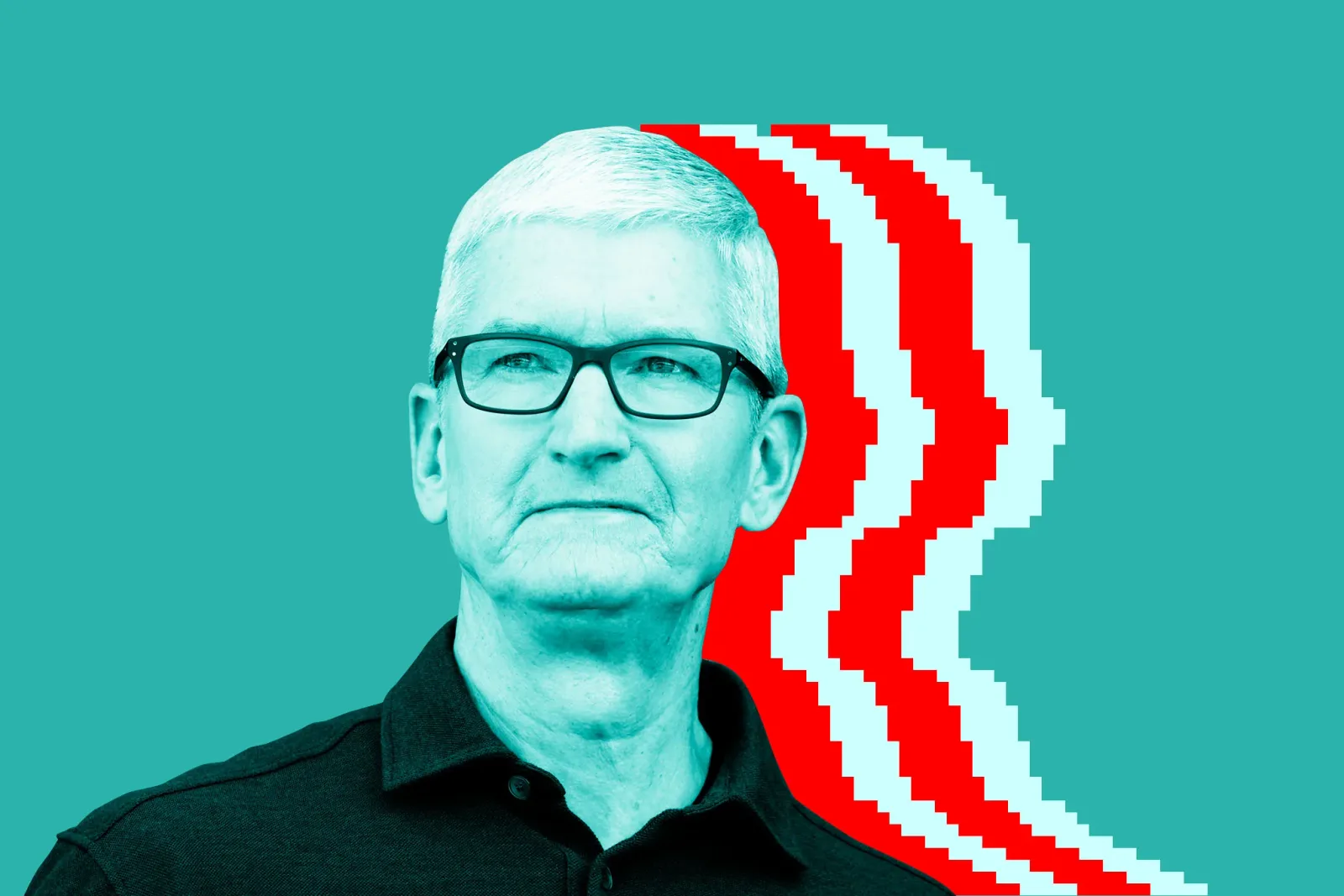
Apple has officially entered the legal fray with OpenAI, filing a lawsuit that alleges the AI startup and its newly acquired hardware partner engaged in the theft of proprietary secrets. According to reporting by The Verge, the complaint details a pattern of intellectual property theft committed by former Apple employees who have since joined OpenAI’s ranks. This is not just a standard corporate dispute; it is a direct strike at the physical infrastructure behind the AI revolution.
The lawsuit specifically names IO Products, the hardware startup founded by Jony Ive, which OpenAI acquired in 2025. By targeting both the AI leader and the design firm, Apple is drawing a clear line in the sand regarding the convergence of software intelligence and physical device engineering. The inclusion of Ive’s company suggests Apple is particularly concerned about the design philosophy and manufacturing know-how that moved from Cupertino to the OpenAI ecosystem.
Two key individuals are named in the complaint: Tang Tan, who serves as OpenAI’s chief hardware officer, and Chang Liu, who joined OpenAI from Apple in January. Apple’s legal team argues that these engineers took sensitive information with them, using it to accelerate OpenAI’s own hardware ambitions. This highlights the intense poaching war currently raging between tech giants and AI startups for talent that understands both silicon and systems integration.
An Apple spokesperson told 9to5Mac that their teams are constantly developing breakthrough technologies, implying that the stolen secrets were critical to their current roadmap. The statement underscores Apple’s strategy of keeping its hardware and software tightly coupled. They view this integration as their primary competitive advantage, and they are clearly unwilling to let competitors replicate that synergy through alleged theft.
This legal battle reveals a deeper tension in the industry. As AI models become more commoditized, the race is shifting toward specialized hardware that can run these models efficiently. Apple has long dominated this space with its custom silicon. OpenAI’s move into hardware, led by Ive and former Apple staff, threatens to disrupt that monopoly by creating a rival ecosystem optimized for generative AI workloads.
The implications for the broader tech landscape are significant. If Apple succeeds in proving theft, it could set a precedent that makes it harder for startups to hire away senior engineers from established hardware firms. Conversely, if OpenAI wins, it could signal that the boundaries of trade secrets are blurring in the fast-moving AI sector. Either way, the cost of talent acquisition and retention is about to skyrocket.
What this means for you: If you are building AI applications or hardware, you need to be hyper-vigilant about IP compliance. Ensure your hiring practices are airtight and that you are not inadvertently using proprietary knowledge from previous employers. Here is a prompt you can use with your AI assistant to audit your team's onboarding process: "Review our current employee onboarding checklist for AI and hardware roles. Identify any steps that might inadvertently expose us to trade secret litigation risks, and suggest a revised protocol that emphasizes clean room development and IP verification."
Reporting basis: original story
← back to The Wire