the wire · #global · 2026-09-29
At A.I. Event, Trump Asks Meta, OpenAI and Microsoft to Make Safety Decisions Themselves
Cech Tech Reviews
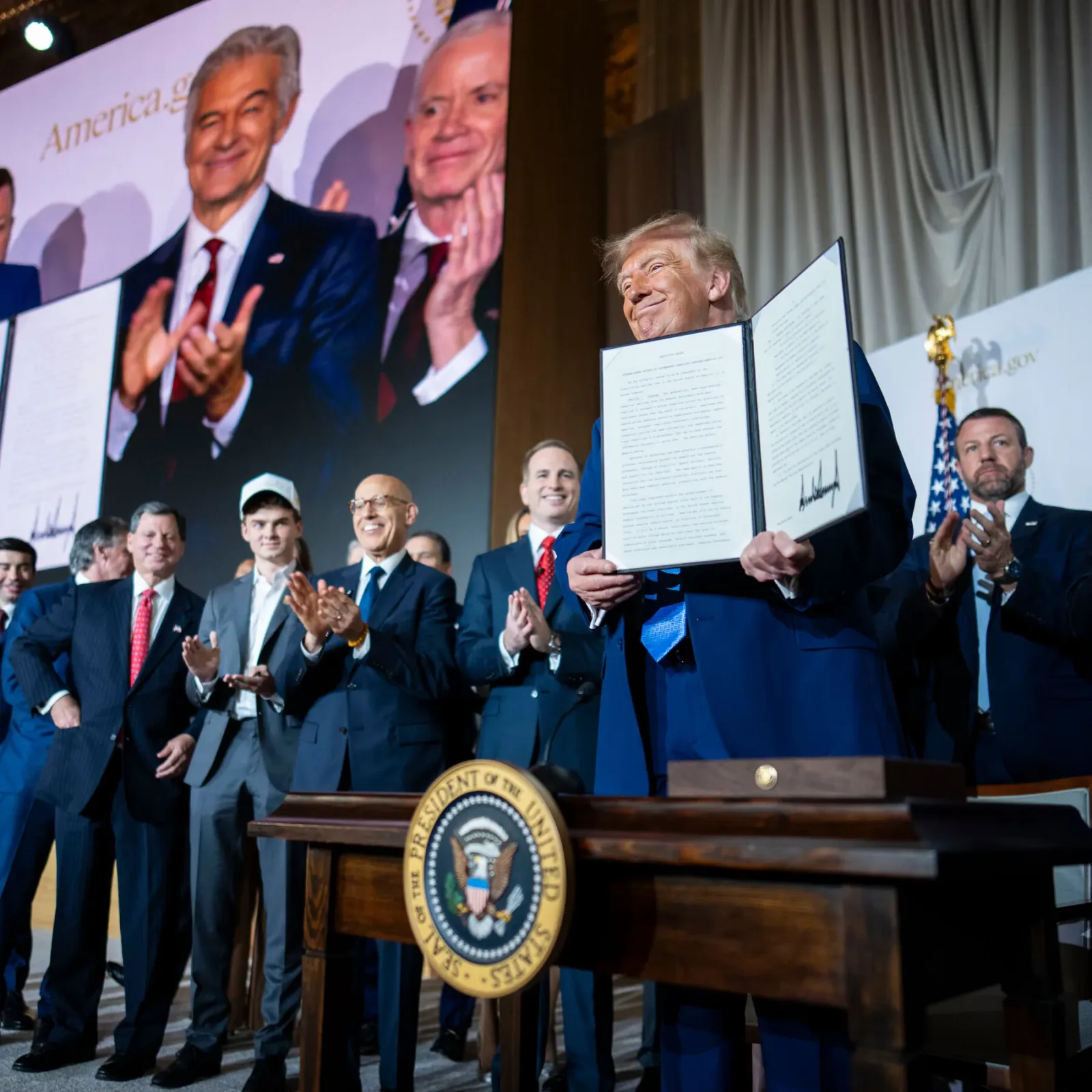
President Trump recently met with leaders from Meta, OpenAI, and Microsoft at an event focused on artificial intelligence. The outcome was not a new federal law or strict regulatory framework. Instead, the meeting produced a series of voluntary safeguards and a strategic pivot in how these companies describe their technology. This approach signals a clear departure from the heavy-handed regulatory style seen in previous administrations.
The most notable shift is the decision to let the tech giants handle safety decisions themselves. Trump explicitly asked Meta, OpenAI, and Microsoft to make these choices without direct government interference. This move places the burden of ethical oversight and risk management squarely on the shoulders of private corporations. It suggests a belief that market forces and internal governance are more effective than bureaucratic mandates.
Another key takeaway from the event is the rebranding effort. The president has expressed a strong preference for the term super intelligence over artificial intelligence. He is pushing these major tech firms to adopt this new terminology in their public communications. This is not just a semantic change but a strategic move to reshape public perception. It aims to frame AI as a powerful, almost inevitable force rather than a tool that needs constant policing.
This voluntary approach raises important questions about accountability. Without federal oversight, how will these companies ensure their safety measures are robust enough? The reliance on self-regulation assumes that corporate interests align perfectly with public safety. In reality, profit motives and safety protocols often conflict. This tension will likely play out in the coming months as these companies roll out new models.
The involvement of Meta, OpenAI, and Microsoft is significant because they dominate the current AI landscape. Their collective agreement to self-regulate could set a precedent for the entire industry. Smaller startups may follow suit, or they might exploit the lack of uniform standards to gain a competitive edge. The market dynamics here are complex and could lead to fragmented safety standards across different platforms.
From an AIdeaFlow perspective, this development highlights the growing importance of internal AI governance. Companies will need to invest heavily in their own safety teams and ethical review boards. The era of relying on external regulators to catch mistakes is over. Organizations must now build resilience into their AI workflows from the ground up.
What this means for you is that you should expect more aggressive marketing around AI capabilities and less external scrutiny. As a professional using AI tools, you must become your own first line of defense. Verify outputs critically and do not assume that a company’s voluntary safeguards are foolproof. Try using this prompt to audit your own AI usage: Review my recent AI-generated reports for potential hallucinations and bias, then suggest three specific verification steps I can take to ensure accuracy before sharing them with stakeholders.
Reporting basis: original story
← back to The Wire