the wire · #global · 2026-07-30
Big Tech’s A.I. Spending Keeps Rising. So Do the Jitters.
Cech Tech Reviews
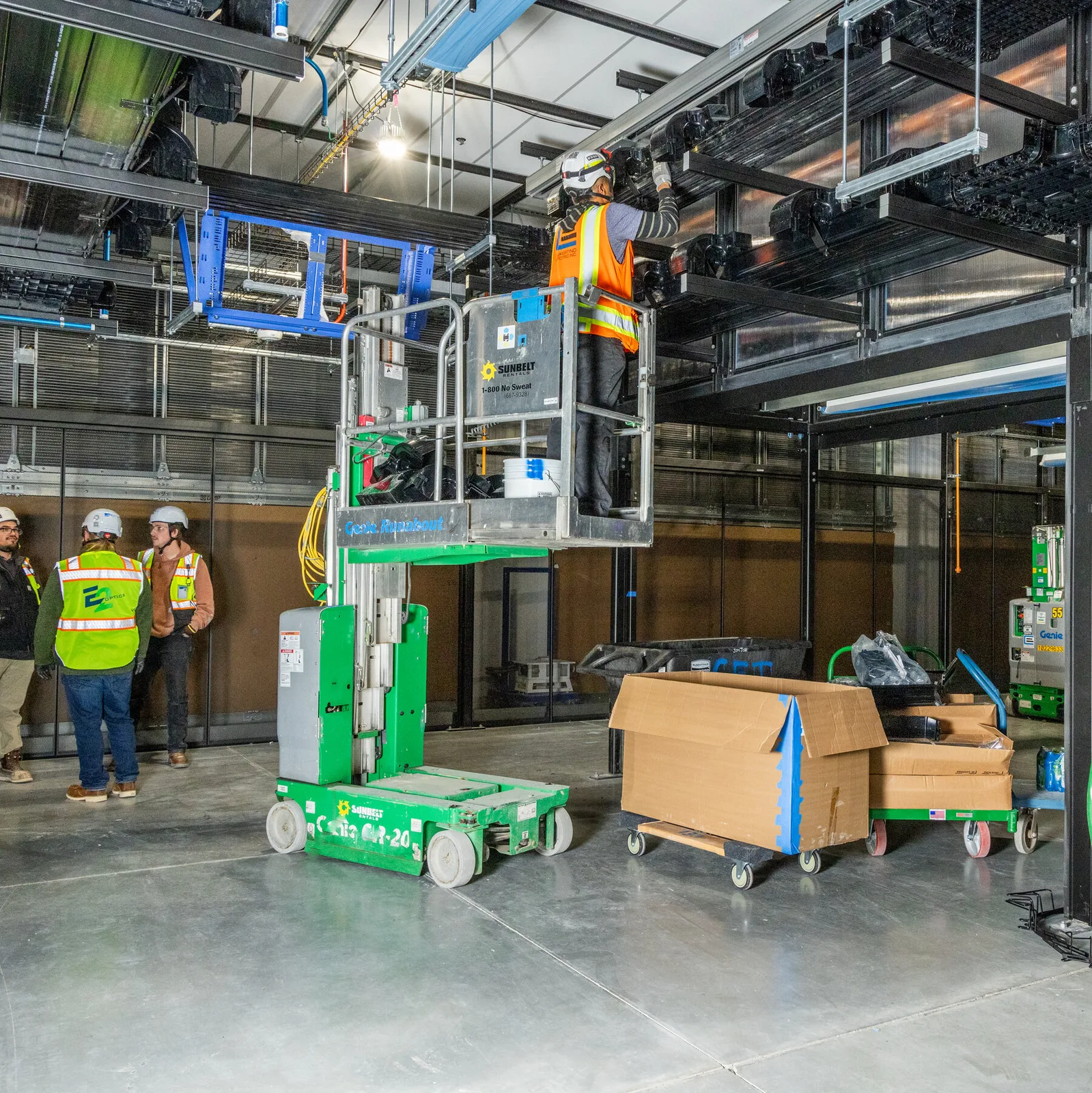
Amazon just joined the exclusive club of tech giants pouring billions into artificial intelligence infrastructure. According to recent financial reports, the e-commerce and cloud computing behemoth saw its capital expenditures skyrocket by 69 percent in the latest quarter. This massive injection of cash is not just about keeping up with competitors like Microsoft and Google. It is a clear signal that the race to build the foundational layers of the AI economy is entering a critical, high-velocity phase.
The sheer scale of this spending is enough to make even the most optimistic investors sweat. We are witnessing a classic infrastructure boom where companies are betting their future survival on the premise that AI will fundamentally reshape how business is conducted. However, the market response has been mixed. While the long-term vision is compelling, the short-term financial pressure is real. Investors are starting to ask tough questions about when these massive expenditures will actually translate into proportional revenue growth.
This trend highlights a significant divergence in the tech industry. On one side, you have the hyperscalers building data centers and training clusters at an unprecedented pace. On the other, you have the broader market grappling with the practical application of these tools. The jitters are not just about cost. They are about the uncertainty of the return on investment. Can the current wave of AI applications justify the billions being spent on chips and energy?
For entrepreneurs and professionals, this environment creates both opportunity and risk. The infrastructure being built today will lower the cost of AI access in the long run. But in the short term, it may lead to volatility in cloud pricing and service availability. Companies that can integrate these tools efficiently will gain a competitive edge. Those that wait for the dust to settle might find themselves playing catch-up in a rapidly evolving landscape.
The strategic implication here is clear. AI is no longer a experimental feature. It is becoming the core operating system for modern business. Amazon’s decision to double down on spending suggests they believe the demand for AI-driven services will outstrip supply for years to come. This is a bet on the future, but it also raises the stakes for everyone else in the ecosystem.
What this means for you is that you need to start thinking about AI integration now, not later. The infrastructure is being built. The tools are becoming more accessible. The key is to focus on practical workflows that solve real problems rather than chasing the latest hype. Start by identifying repetitive tasks in your daily operations that can be automated or enhanced by AI. Then, experiment with small, low-risk projects to test the waters.
Here is a ready-to-use workflow idea to get started. Take a complex document or report you work with regularly. Use an AI assistant to summarize the key points, extract actionable items, and suggest three potential improvements. This simple exercise helps you understand the tool’s capabilities without committing to a major overhaul. It is a low-cost way to build familiarity and identify high-value use cases for your specific role.
Reporting basis: original story
← back to The Wire