the wire · #topnews · 2026-10-06
Bose QuietComfort Headphones (2nd Gen) Review: Noise-Canceling Champ
Cech Tech Reviews
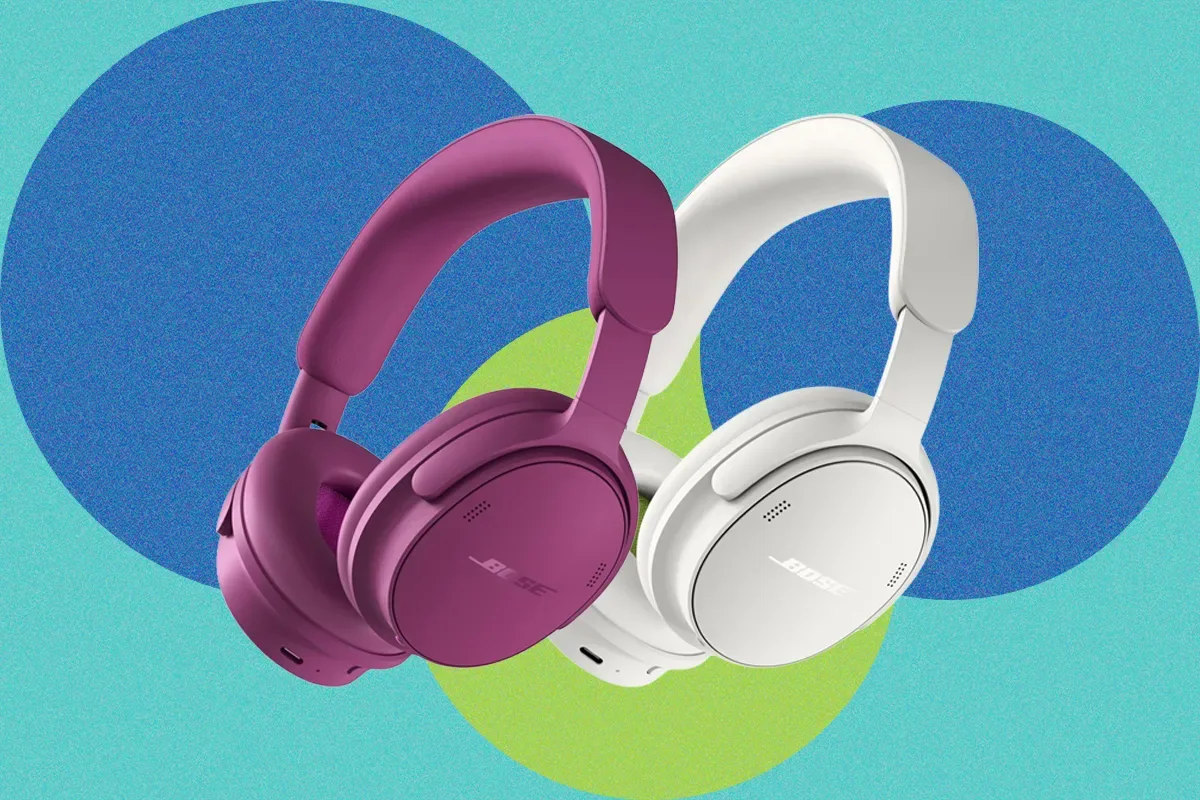
The audio industry is entering a phase of diminishing returns for legacy hardware giants. According to recent reviews, Bose has released the second generation of its iconic QuietComfort headphones. The device maintains the brand’s historical reputation for supreme comfort and industry-leading noise cancellation. However, the consensus is that these traditional strengths are no longer enough to dominate the market.
Comfort has always been Bose’s primary selling point. The new model continues to offer a plush, pressure-free fit that allows for all-day wear. This ergonomic advantage remains a significant differentiator in a category often plagued by tight clamping force. For users who prioritize physical comfort over other features, this aspect of the design remains highly relevant.
Noise cancellation technology has also seen incremental improvements. The new generation effectively blocks out ambient chatter and low-frequency droning. This performance keeps Bose in the top tier of active noise-canceling headsets. Yet, the gap between Bose and its closest rivals has narrowed considerably in recent years.
The real challenge for Bose lies in the software and smart features. Competitors like Sony and Apple have integrated advanced AI-driven audio processing and seamless ecosystem integration. These features create a sticky user experience that goes beyond simple sound quality. Bose’s offering feels increasingly like a hardware-first product in a software-driven era.
Pricing strategy is another critical factor. The new QuietComfort headphones carry a premium price tag that is hard to justify when cheaper alternatives offer comparable noise isolation. Consumers are becoming more discerning about value. They expect smart features and app support to accompany high-end hardware. Bose’s reluctance to fully embrace this shift is becoming a liability.
This trend reflects a broader shift in consumer electronics. Hardware excellence alone is no longer a sufficient moat. Companies must now compete on connectivity, AI integration, and user experience. Bose’s struggle highlights the difficulty legacy brands face when adapting to these new expectations. The market rewards agility and innovation in software as much as in acoustic engineering.
What this means for you If you are evaluating headsets for professional use, do not assume comfort and noise cancellation are the only metrics that matter. Look for tools that integrate with your workflow. Try this prompt with an AI assistant to compare features: "Compare the software ecosystems of Bose QC45, Sony WH-1000XM5, and Apple AirPods Max. List three specific AI-driven features each offers for productivity and focus."
The takeaway is clear. Hardware is the baseline. Software is the differentiator. Choose the device that enhances your digital workflow, not just your audio experience. Bose remains a strong option for pure comfort. But for most professionals, the smarter competitors offer better long-term value.
Reporting basis: original story
← back to The Wire