the wire · #ai · 2026-10-01
ChatGPT can now virtually try on clothes for you
Cech Tech Reviews
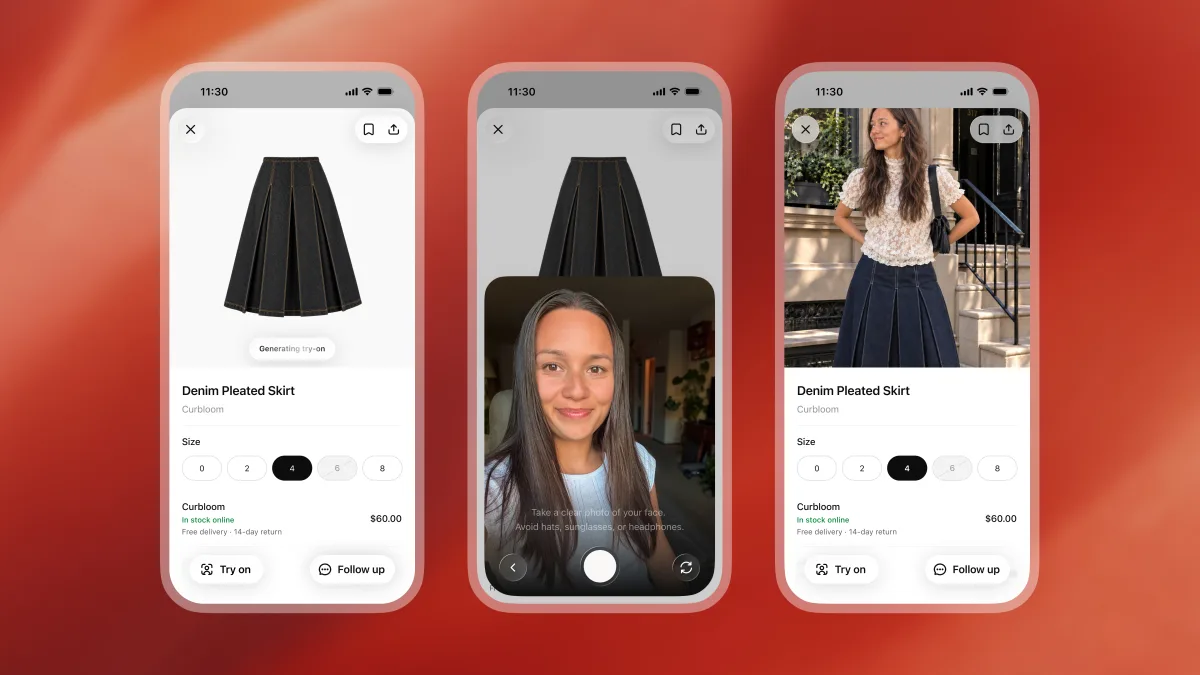
OpenAI is taking a significant step toward merging conversational AI with practical e-commerce tools. According to recent reports, the company is rolling out new shopping features directly within ChatGPT. These tools allow users to virtually try on clothing and accessories using their own uploaded photos. It is a clear signal that generative AI is moving beyond text and code into the realm of visual commerce.
The core functionality is straightforward yet powerful. Users can upload a photo of themselves and then select items from a catalog. The AI then generates a realistic image of the user wearing those specific garments. This eliminates the guesswork that often plagues online shopping. It bridges the gap between browsing and buying by providing immediate visual confirmation.
Beyond the try-on feature, OpenAI is introducing a Favorites library. This allows users to save products they like for later reference. It transforms ChatGPT from a simple search engine into a personal shopping assistant. The integration creates a seamless loop between discovery, visualization, and curation. It keeps users engaged within the OpenAI ecosystem for longer periods.
This development highlights the broader trend of AI becoming more multimodal and actionable. We are seeing a shift from AI that merely discusses ideas to AI that performs complex tasks. Visual generation is no longer just for art. It is becoming a utility for everyday consumer decisions. This aligns with industry moves by other tech giants to embed AI into shopping platforms.
The implications for retailers are substantial. If users can visualize products on themselves with high accuracy, return rates may drop. This is a major pain point for online fashion retailers. By reducing friction in the decision-making process, OpenAI could become a significant gatekeeper in the fashion industry. Brands will need to adapt their digital presence to fit this new visual-first paradigm.
For AI enthusiasts, this is a case study in practical application. It shows how large language models can be extended with specialized vision and generation models. The challenge lies in maintaining accuracy and avoiding bias in how different body types are represented. OpenAI will need to navigate these ethical considerations carefully as the feature scales.
What this means for you is that the line between information retrieval and transactional action is blurring. You should start thinking of AI tools not just as research assistants but as active participants in your daily workflows. To test this new capability, try uploading a neutral photo of yourself to ChatGPT and ask it to generate a professional headshot using a specific style. This simple workflow can help you understand the nuances of the new visual generation engine before you apply it to fashion.
Reporting basis: original story
← back to The Wire