the wire · #ai · 2026-09-30
Elon Musk's AI-powered Grokipedia is updating again
Cech Tech Reviews
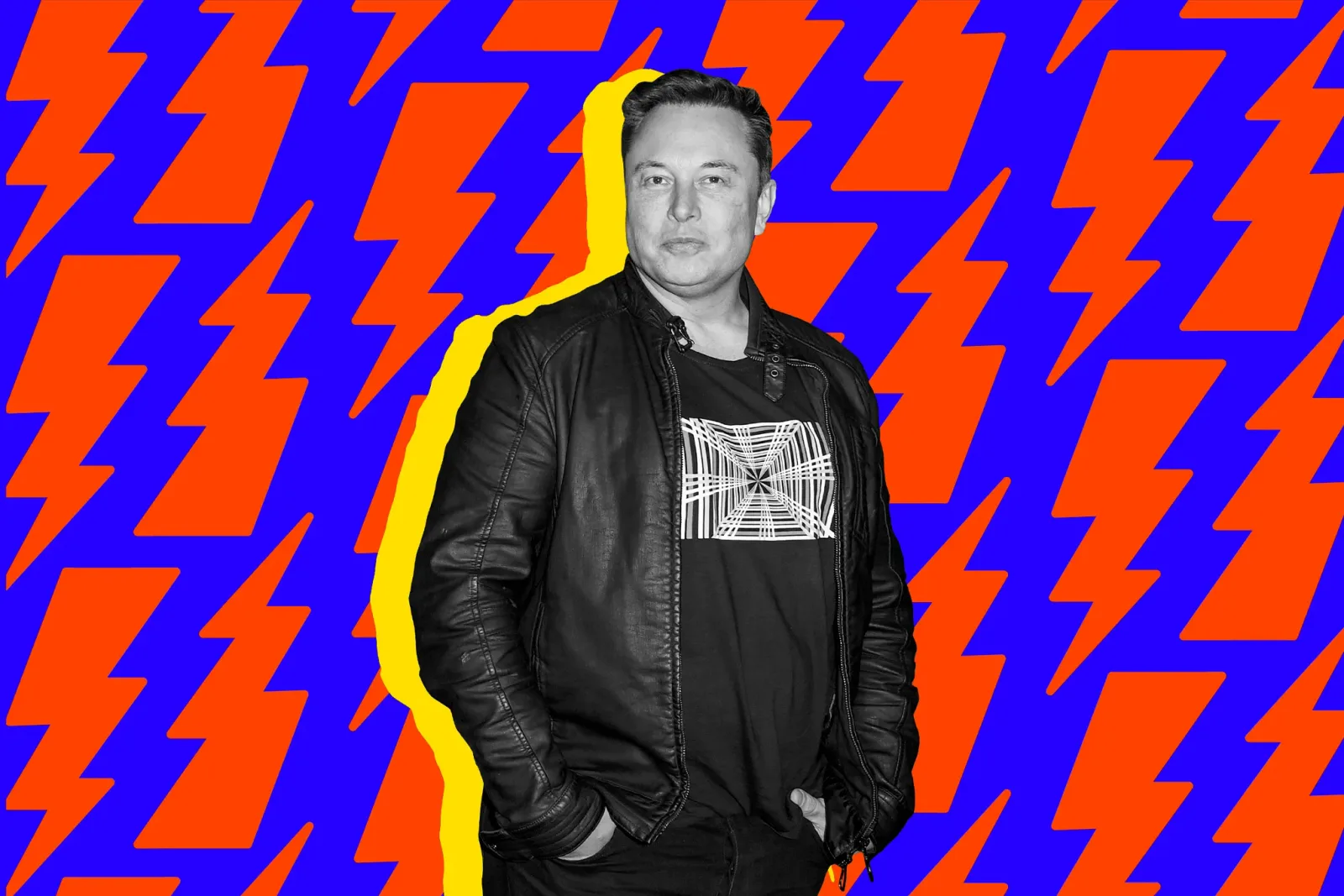
Elon Musk’s ambitious attempt to disrupt the digital encyclopedia space is finally showing signs of life again. According to reporting by The Verge, Grokipedia has resumed updating its articles after a significant pause that left the platform stagnant for months. This return to activity marks a pivotal moment for SpaceXAI’s project, which has been under intense scrutiny since its early launch phases.
The revival comes after Lawfare reported in August that the platform had not reviewed any edits since April. For a tool marketed as an AI-powered alternative to traditional knowledge bases, such a long silence raises serious questions about its operational stability. The sudden return suggests that the team behind Grok is attempting to stabilize the backend infrastructure before pushing forward with more aggressive features.
However, the nature of these recent updates is telling. The live updates feed shows various changes to pages, but many are not substantive content additions. Instead, they are automated notes stating that the system is rechecking all references and sources. This indicates that the AI is currently in a maintenance mode, focusing on data integrity rather than generating new insights or expanding the knowledge base.
Specific examples highlight this cautious approach. The page for former President Barack Obama displays a note indicating it was fact-checked by Grok just two days ago. Similarly, the page for Elon Musk himself was undergoing a fact-check while the original report was being written. These real-time verification attempts show a system trying to prove its accuracy, but they also expose its reliance on manual or semi-automated review processes.
From an analytical perspective, this reveals a fundamental challenge in building AI-driven knowledge platforms. The gap between generating text and verifying factual accuracy remains wide. Grokipedia’s current focus on rechecking sources suggests that the model may be hallucinating or failing to cite reliable origins, forcing the system to halt and audit its own outputs. This is a common hurdle for generative AI tools that lack robust grounding mechanisms.
The broader implication for the tech industry is that trust is the hardest metric to engineer. Users expect instant answers, but AI systems must often slow down to ensure those answers are correct. Grokipedia’s struggle to maintain a consistent update cycle without compromising accuracy serves as a case study in the difficulties of scaling AI verification at an encyclopedia level.
What this means for you is that AI tools are still in a transitional phase where reliability often trumps speed. As you integrate these tools into your workflow, treat them as drafters rather than final authorities. You should always verify the sources they provide, especially for critical business decisions.
Try this workflow with your AI assistant: Paste a paragraph of text into your model and ask it to list every claim made. Then, ask it to provide a specific source URL for each claim. If it cannot, flag that section for manual review. This simple step helps you build a habit of verification before trusting AI outputs.
Reporting basis: original story
← back to The Wire