the wire · #topnews · 2026-07-24
Chinese Companies Are Selling Vapes With Chemicals Potentially More Potent Than Nicotine
Cech Tech Reviews
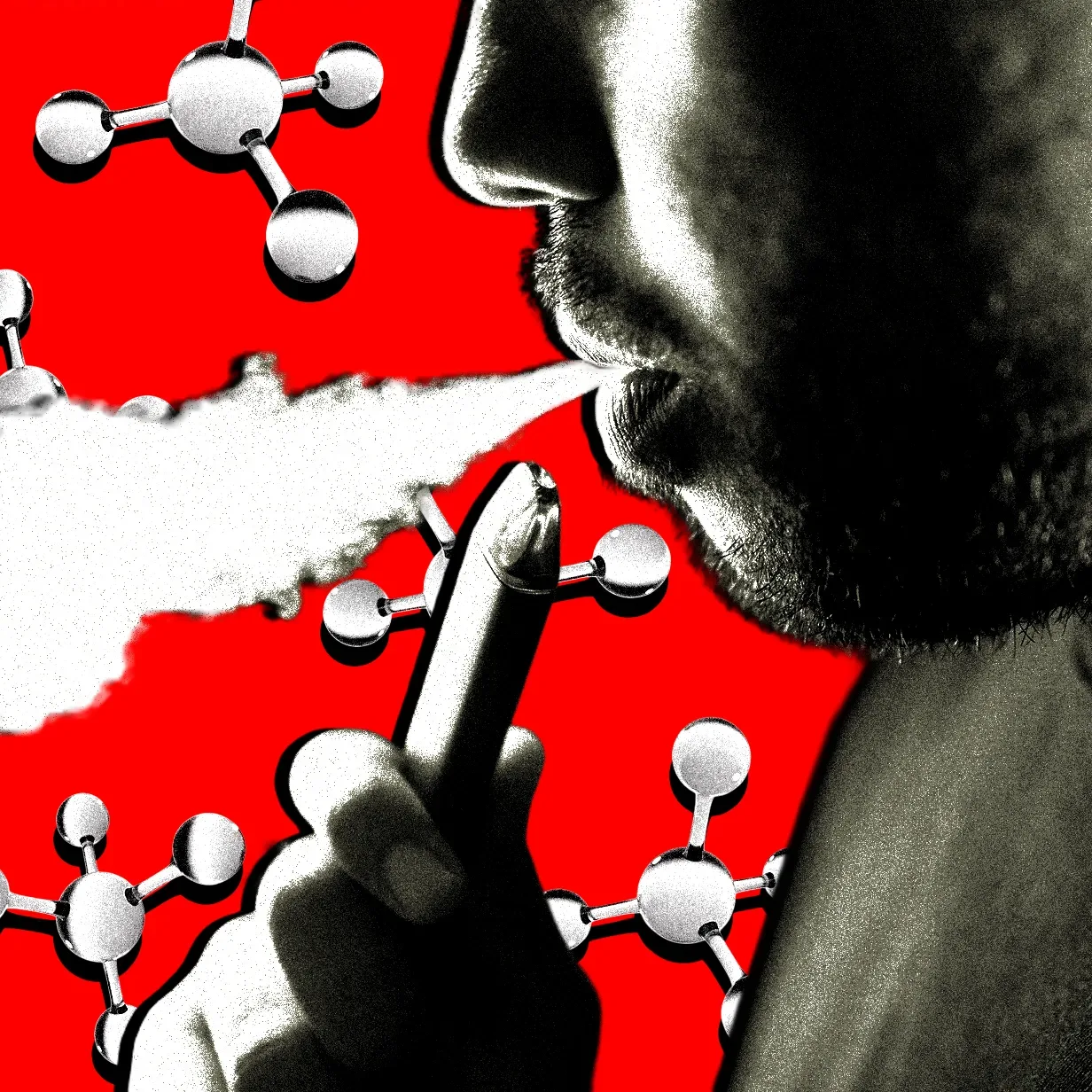
The landscape of electronic nicotine delivery systems is shifting in ways that traditional health regulators are struggling to track. According to recent reporting, Chinese manufacturers are increasingly marketing vapes containing chemical compounds that mimic nicotine but fall outside current legal definitions. These analogs are designed specifically to exploit gaps in United States federal law, creating a new frontier for both consumer risk and regulatory enforcement.
Big Tobacco companies spent decades researching these exact chemical structures. They studied nicotine analogs like 6-methyl-nicotine extensively in laboratory settings. However, they ultimately decided against bringing these products to market. The primary reason was likely the uncertainty surrounding long-term health effects and the potential for severe backlash if these substances proved more addictive or harmful than traditional nicotine.
Now, a different set of actors is moving these compounds into the consumer market. Chinese vape makers are leveraging these same chemical structures to sidestep US regulations. By labeling their products with these novel analogs, they avoid the strict controls applied to traditional nicotine. This strategy allows them to sell products that may be significantly more potent than what consumers expect from standard vaping devices.
The implications for public health are concerning. If these analogs are indeed more potent, they could lead to higher rates of addiction and more severe withdrawal symptoms. Traditional harm reduction models may not apply here. Users might not realize they are consuming a substance that affects their brain chemistry differently than standard nicotine.
This situation highlights a critical gap in how we monitor digital and chemical products. Current safety systems are often reactive. They rely on known substances and established testing protocols. When new chemical structures enter the market, these systems fail to detect them until harm is already widespread. We need proactive monitoring that can identify novel compounds before they reach consumers.
For AI professionals and tech entrepreneurs, this is a clear signal that traditional compliance tools are insufficient. We need to build systems that can analyze chemical data and regulatory texts in real time. Machine learning models can be trained to flag novel analogs based on their molecular structure and potential market impact. This is not just a health issue. It is a data integrity and safety engineering challenge.
What this means for you: If you work in health tech, compliance, or product safety, you should consider how your AI tools can adapt to novel threats. Start by building a workflow that cross-references new chemical compounds against regulatory databases. Try using an AI assistant with this prompt: Analyze the molecular structure of 6-methyl-nicotine and compare its predicted potency and regulatory status against standard nicotine in US federal law. Identify any gaps in current monitoring protocols that could allow this compound to bypass detection.
Reporting basis: original story
← back to The Wire