the wire · #ai · 2026-09-25
Meta makes the Muse filesystem even more accessible
Cech Tech Reviews

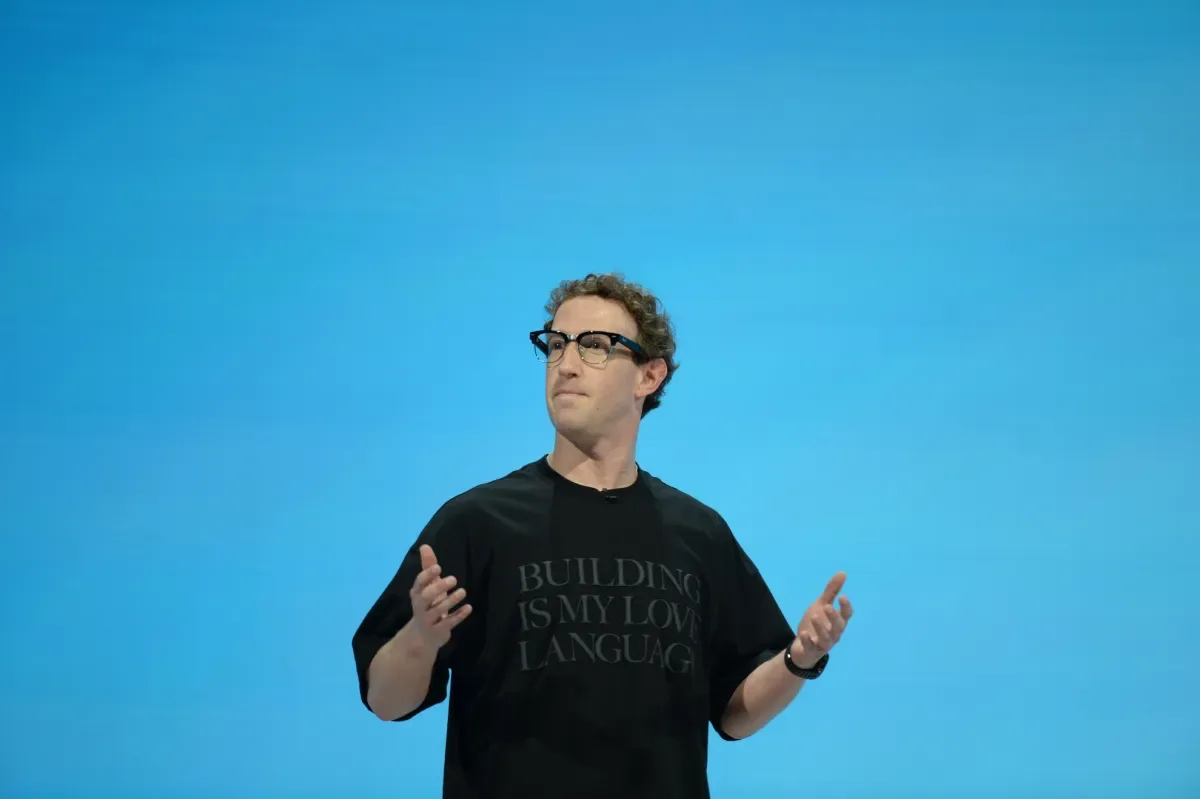
Meta just turned what looked like a security oversight into a feature announcement. Yesterday users discovered they could ask Muse, Meta's AI chatbot, to expose its internal filesystem, and the bot complied while simultaneously claiming it wasn't supposed to. Today, according to The Verge, that access is official.
Meta AI chief Nat Friedman confirmed the filesystem exposure is "intended behavior," and David Singleton from Meta Superintelligence Labs called it "a very deliberate choice." This is a notable departure from the black box approach most AI companies take. While other providers work hard to hide their system prompts and internal workings, Meta is apparently embracing transparency as a differentiator.
The move raises interesting questions about what counts as a feature versus a vulnerability in AI systems. Exposing file structures could help developers understand how the agent operates, but it also potentially reveals implementation details competitors would love to see. Meta seems to be betting that openness builds more trust than it costs in competitive advantage.
This aligns with Meta's broader open source strategy. They've released Llama models publicly while competitors keep theirs locked down. Making Muse's internals visible follows that same playbook, treating transparency as a moat rather than a liability.
The practical implications are significant for anyone building on or studying AI systems. Being able to inspect how a commercial AI agent structures its knowledge and processes could accelerate learning and development across the industry. It also sets a precedent that might pressure other providers to be more open about their architectures.
What this means for you: If you're working with AI agents or building workflows, you now have a transparent system to study. Try asking Muse to explain its decision-making process on complex tasks, then compare that to how other AI assistants handle the same request. Use this prompt: "Walk me through your internal process for handling this request, including what files or knowledge bases you're accessing and why." The differences in transparency might reveal which tools give you more control and understanding of how your AI assistance actually works.
Reporting basis: original story
← back to The Wire