the wire · #ai · 2026-09-25
Shield AI, Waabi, and General Motors on building AI when failure is not an option at TechCrunch Disrupt 2026
Cech Tech Reviews
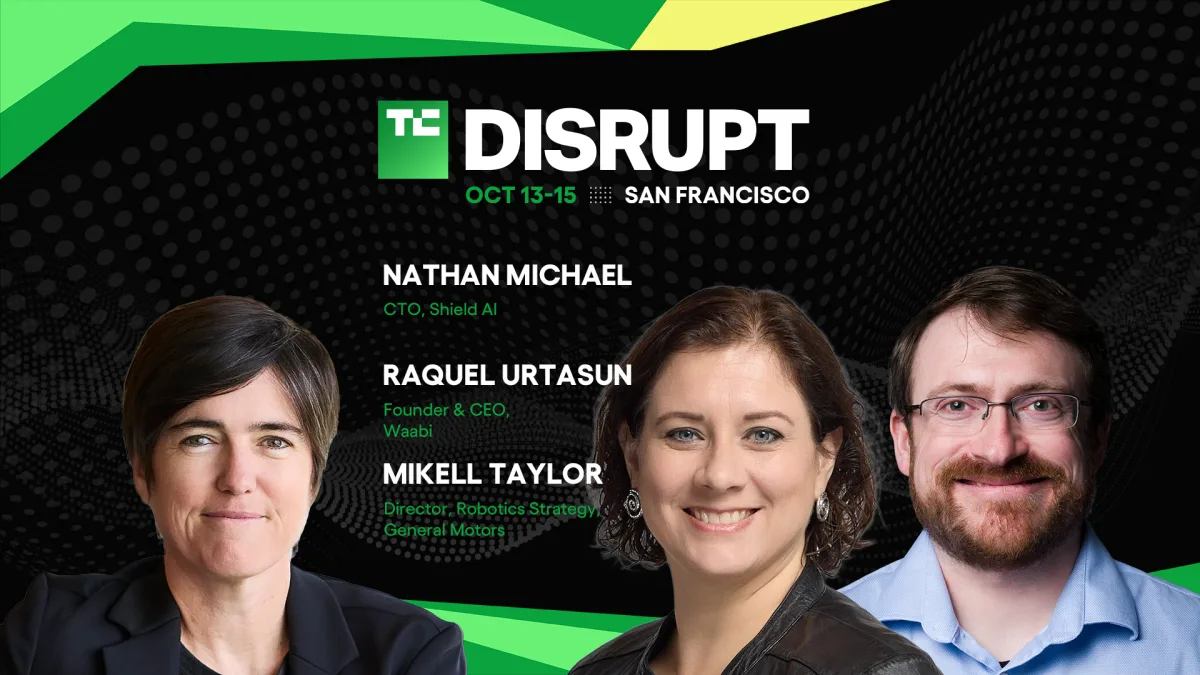
The conversation around artificial intelligence is undergoing a profound transformation. We are moving past the era of experimental chatbots and into a phase where AI must perform reliably in the physical world. TechCrunch Disrupt 2026 is capturing this shift by focusing on the Real World AI Stage. This session brings together industry heavyweights to discuss the engineering challenges of deploying AI in environments where mistakes carry severe consequences.
According to the event lineup, leaders from Shield AI, Waabi, and General Motors are set to share their insights. These companies operate in sectors where safety and precision are non-negotiable. Shield AI builds autonomous systems for defense and security. Waabi focuses on high-speed autonomous driving for logistics. General Motors is integrating AI into the massive ecosystem of modern vehicle manufacturing. Their presence signals that the next frontier for AI is not just intelligence, but trust.
The common thread among these organizations is the intolerance for failure. In the consumer software space, bugs can be patched overnight. In autonomous driving or military applications, a single error can result in loss of life or catastrophic financial damage. This panel will likely explore the rigorous testing, simulation, and validation frameworks required to build such resilient systems. It is a stark contrast to the rapid iteration model that dominated the early days of generative AI.
This focus on reliability is crucial for the broader adoption of AI in enterprise settings. Many companies are hesitant to deploy AI agents in critical workflows because they cannot guarantee consistent performance. By showcasing how these leaders manage risk and ensure accuracy, TechCrunch is providing a blueprint for other industries. It suggests that the value of AI is no longer just about speed or creativity, but about dependable execution in high-pressure scenarios.
The event also highlights the convergence of hardware and software in AI development. You cannot build reliable autonomous systems without considering the physical constraints of the machines. This holistic approach to engineering is what separates experimental projects from scalable products. The discussions will likely delve into how these companies are bridging the gap between theoretical models and real-world deployment.
For professionals looking to attend, there are significant incentives to register early. Discounts are available for those who secure their passes before September 25 at 11:59 p.m. PT. This is an opportunity to learn directly from the architects of the next generation of industrial AI. The insights gained here will be invaluable for anyone involved in building or deploying AI in critical infrastructure.
What this means for you is that the bar for AI implementation is rising. As these technologies move into critical roles, the demand for robust, testable, and transparent AI systems will grow. You should start evaluating your own AI tools based on their reliability and error-handling capabilities, not just their creative output. To prepare, try using this prompt with your AI assistant to audit your current workflows: Identify three critical tasks in my work where an AI error would cause significant damage. For each task, list the specific validation steps or human-in-the-loop checks I currently use or should implement to mitigate risk.
Reporting basis: original story
← back to The Wire