the wire · #topnews · 2026-08-02
Europeans Are About to Find Out How Entrenched AI Is in Their Daily Lives
Cech Tech Reviews
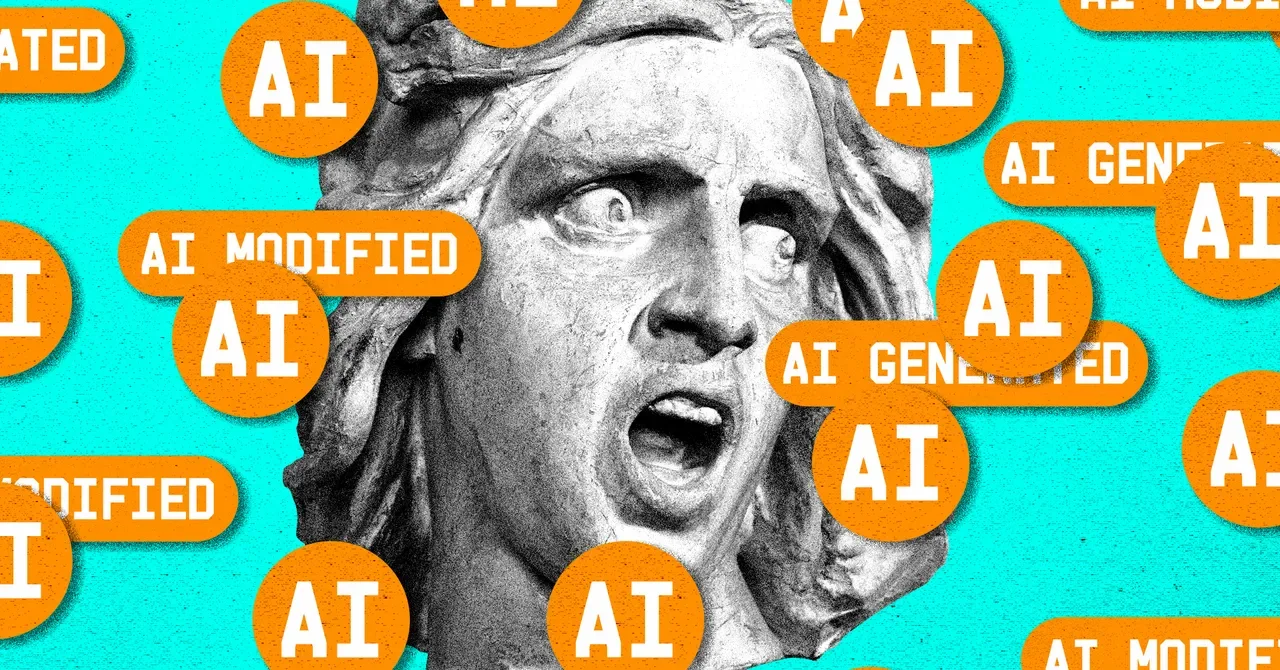
Starting now, every AI chatbot, recommendation algorithm, and synthetic image in the EU must carry a disclosure label. According to new transparency requirements under EU AI regulation, companies have to tell users when they're interacting with AI systems or viewing AI-generated content. It sounds reasonable until you realize just how much AI already powers your daily digital life.
The problem isn't the principle, it's the scale. Your email spam filter uses AI. Your photo app uses AI to organize faces. Your music streaming service uses AI to build playlists. Netflix uses AI to recommend shows. Even your phone's autocorrect is technically AI-powered. If every one of these interactions triggers a disclosure, users will be swimming in notifications within hours.
Policy experts are already warning about disclosure fatigue, the point where people become so numb to warnings that they stop reading them entirely. We've seen this happen with cookie consent banners, which users now click through reflexively without reading. The same risk applies here. When everything is labeled AI, nothing stands out, and the disclosures meant to protect users become meaningless noise.
What makes this particularly tricky is that the line between AI and traditional software has blurred beyond recognition. Is a rules-based system AI? What about statistical models that predate the term artificial intelligence? Companies will need to make judgment calls, and those calls will be inconsistent across platforms and regions. Users will be left more confused than informed.
The deeper issue is that transparency alone doesn't build trust or safety. Knowing that an algorithm recommended a video doesn't tell you whether that algorithm is biased, accurate, or manipulative. Disclosure is a starting point, not a solution. What users actually need is meaningful control, the ability to opt out, see how decisions are made, and contest outcomes that affect them.
For the rest of the world watching the EU experiment, this is a preview of what's coming. Regulators everywhere are grappling with how to govern AI without stifling innovation or overwhelming users. The EU's approach prioritizes transparency, but the early warning signs suggest that more disclosure doesn't automatically mean more understanding.
What this means for you: if you're building AI-powered products or workflows, start thinking about disclosure design now, not as a legal checkbox but as a user experience challenge. The goal is clarity, not clutter. When you're prototyping with AI tools, try this prompt to simulate transparency: "Explain which parts of this output were generated by AI, which were based on my input, and what decisions the model made autonomously." It forces you to think like a regulator and design like a user advocate at the same time.
Reporting basis: original story
← back to The Wire