the wire · #topnews · 2026-07-31
Can Republicans Actually Send Anthony Fauci to Jail?
Cech Tech Reviews
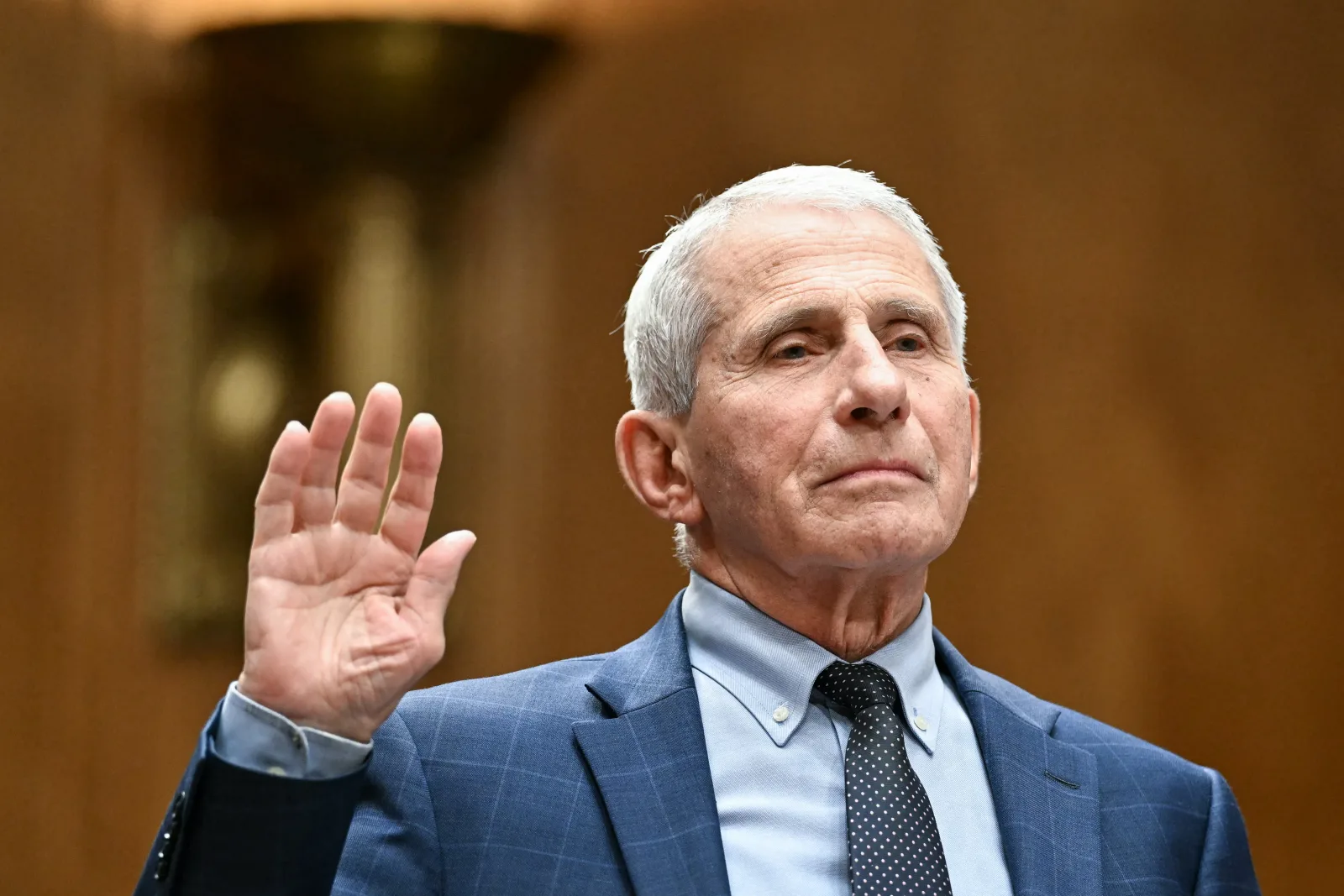
The political noise surrounding Anthony Fauci has reached a fever pitch, with segments of the MAGA movement loudly demanding that the former White House chief medical adviser face imprisonment. It is a visceral reaction to the pandemic era, reflecting deep societal fractures and a loss of trust in institutional expertise. But as WIIRED recently explored, the gap between political rhetoric and legal reality is vast. Legal experts consulted for the report suggest that the path to incarceration is effectively blocked by constitutional protections and the lack of criminal intent.
At the core of the issue is the distinction between policy disagreement and criminal conduct. Public health decisions made during a global crisis are inherently complex and often involve making choices with incomplete information. Prosecutors would need to prove beyond a reasonable doubt that Fauci acted with malicious intent or violated specific laws. Mere criticism of his decisions, no matter how harsh, does not constitute a crime. This legal threshold is high and designed to protect the functioning of government.
The First Amendment provides a robust shield for speech, even speech that is offensive or widely disliked. Calling for someone to be jailed is a form of political expression, not a legal indictment. Experts note that while the demand for accountability is a normal part of democratic discourse, the specific call for criminal prosecution lacks the evidentiary foundation required in a court of law. The legal system is not a tool for settling political scores.
This situation underscores a broader trend in American politics where legal mechanisms are increasingly viewed as weapons rather than neutral arbiters. When political opponents are framed as enemies of the state, the impulse to use the justice system for retribution grows. However, the rule of law requires objective standards that are difficult to meet in highly charged political environments. The legal community remains skeptical of efforts to criminalize policy disagreements.
For AI professionals and tech entrepreneurs, this dynamic offers a cautionary tale about the intersection of expertise and politics. As AI becomes more central to public policy, from healthcare to national security, experts may face similar levels of scrutiny and hostility. The ability to navigate political pressure while maintaining professional integrity will be a critical skill. Understanding the legal boundaries of accountability is essential for anyone operating in the public sphere.
The current climate suggests that public health officials and tech leaders will need to be prepared for intense political backlash. It is not enough to be right; one must also be able to withstand the political storm. Building resilient communication strategies and understanding the legal landscape are no longer optional. They are necessary components of modern professional survival.
What this means for you: As AI tools become more integrated into decision-making processes, you may face similar pressures to justify your outputs or algorithms. Use AI to help draft clear, evidence-based responses to criticism that focus on facts rather than emotions. Try this prompt with your AI assistant: "Analyze this criticism of my work and draft a professional response that addresses the factual inaccuracies without engaging in political debate. Focus on data and methodology."
The demand for Fauci's imprisonment is a symptom of a deeper cultural divide. It highlights the need for clearer boundaries between political accountability and criminal liability. As we move forward, these boundaries will be tested by new technologies and new crises. The legal system must remain a stable anchor in these turbulent times. For now, the prospect of jail remains a political fantasy rather than a legal possibility.
Reporting basis: original story
← back to The Wire