the wire · #ai · 2026-09-16
The sexy AI-powered dating app scams are here
Cech Tech Reviews
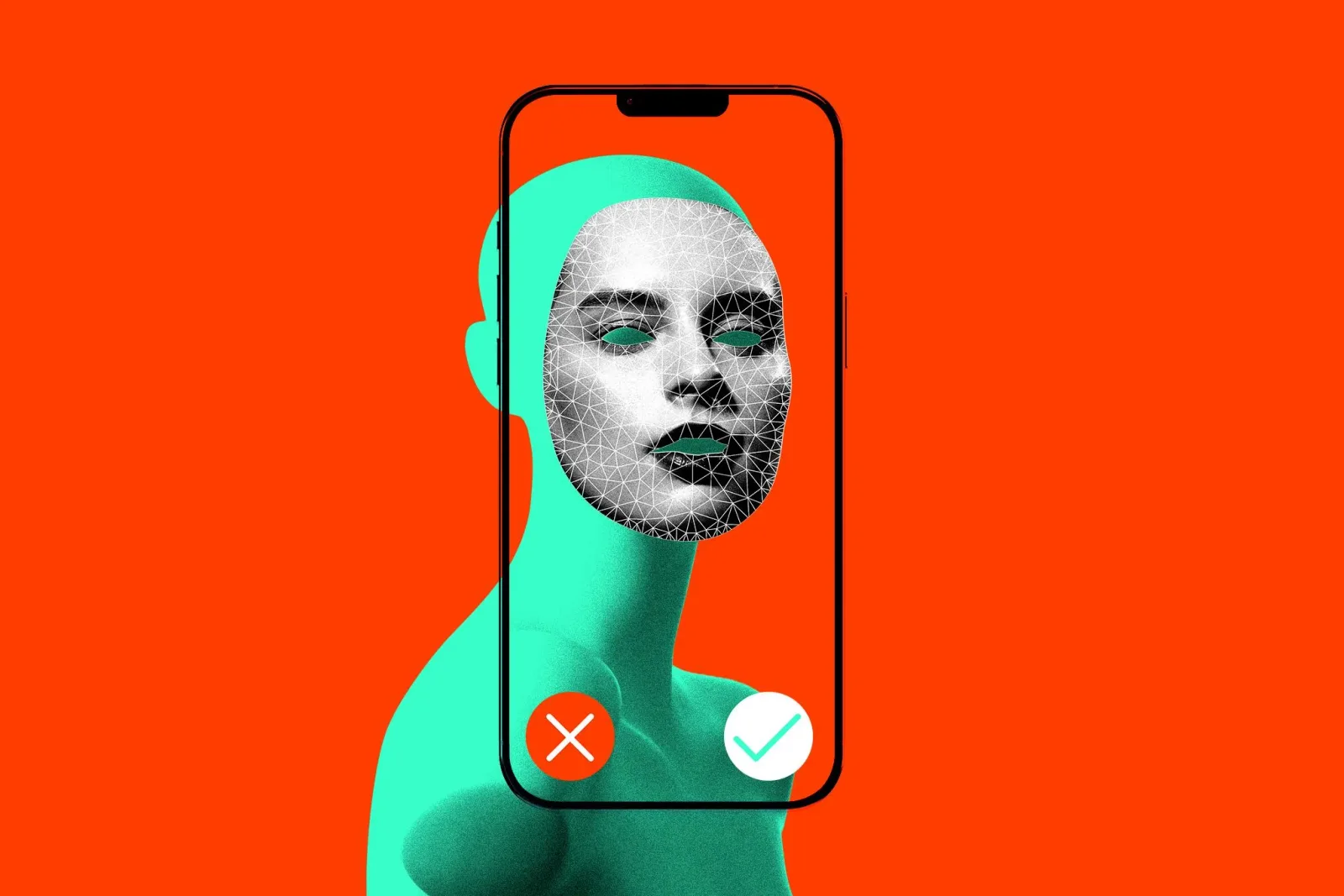
The landscape of online dating fraud has taken a disturbing turn, moving beyond static photos and scripted text into the realm of real-time, AI-driven deception. According to a recent report by The Verge, security researcher Matthew Gore-Kormanik uncovered a sophisticated scam operation embedded within a fraudulent dating app called Dora. This incident highlights a critical vulnerability in how we verify identity in digital spaces, proving that seeing is no longer believing.
Gore-Kormanik was analyzing the app when he received an incoming video call from a user named Jennifer. Her profile was meticulously crafted to appeal to specific tastes, listing her as a 41-year-old Sagittarius with red hair, blue eyes, and piercings. She claimed to enjoy music, horror movies, nightlife, and sports, creating a persona designed to feel familiar and attractive to potential victims.
When he answered the call, the visual component was immediately suspicious. Instead of a live person, the video feed displayed a moving tapestry, likely manipulated by a fan to simulate breathing or movement. The audio was equally distorted, filled with strange noises that should have raised immediate red flags for any cautious user. Yet, the scam continued with unsettling confidence.
After the call ended, Jennifer messaged him to say she had enjoyed the conversation and complimented his voice. The chilling detail here is that his microphone was never activated. This confirms that the audio was not generated by his own voice being manipulated, but rather by a pre-recorded or AI-synthesized track played on the other end. The scammer was performing a one-sided interaction while maintaining the illusion of a two-way conversation.
This technique represents a significant escalation in social engineering. Traditional catfishing relies on users filling in the blanks with their imagination. This new method uses AI to provide just enough sensory input to lower defenses without requiring the scammer to be present or skilled in real-time improvisation. The use of a tapestry suggests a low-tech visual trick paired with high-tech audio deception, making it accessible and scalable for criminal networks.
The implications for AI safety and digital trust are profound. As generative audio models become more realistic, distinguishing between a live human and a synthetic voice in a casual video call will become nearly impossible for the average user. Dating apps, which rely heavily on the promise of authentic connection, are now prime targets for these hybrid attacks that blend physical props with digital manipulation.
What this means for you: If you are using AI tools for communication or security, you must assume that any unsolicited video or audio call could be synthetic. Always verify identity through a secondary channel, such as a text message on a known number or a different platform. To test your own skepticism, try this workflow: ask a friend to describe a specific, mundane object in their current environment in detail. Then, ask an AI to generate a realistic description of that same object based on a generic prompt. Compare the nuances. The human will likely mention imperfections or context that the AI misses, helping you build a sharper eye for synthetic content in your daily interactions.
Reporting basis: original story
← back to The Wire