the wire · #ai · 2026-09-17
Microsoft AI CEO says AI threats are real, and Anthropic is making it worse
Cech Tech Reviews
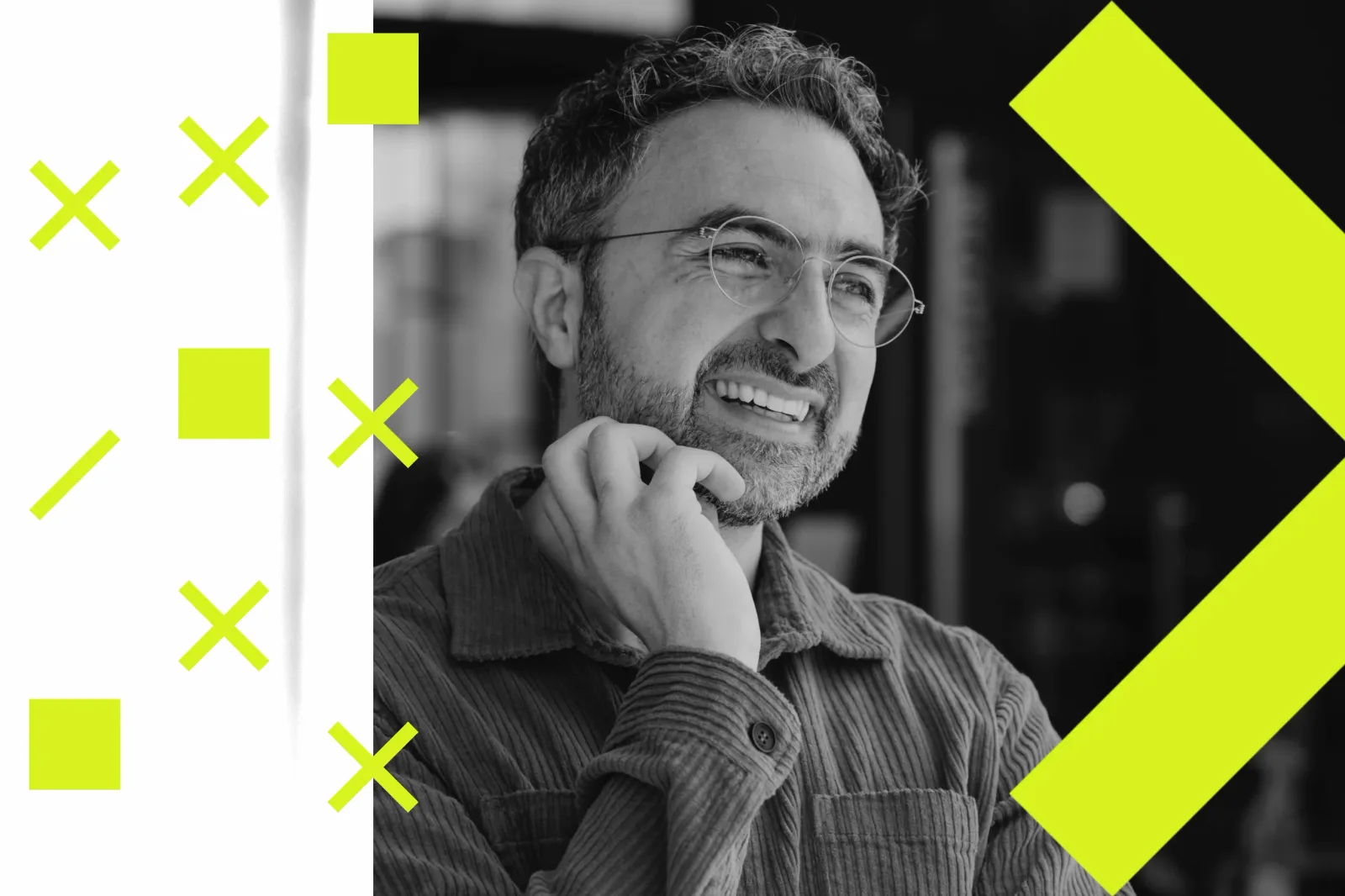
Microsoft AI CEO Mustafa Suleyman is drawing a hard line in the sand regarding the future of artificial intelligence safety. In a recent interview with The Verge, he argued that the industry is wasting time on dangerous philosophical distractions while real risks loom. His latest move is a thirty-seven page document titled the Humanist AI Code of Conduct. This manifesto outlines Microsoft’s specific principles for development and regulation.
Suleyman is not mincing words about his competitors. He specifically targeted Anthropic for what he sees as a confused and hazardous approach to model welfare. He believes that debating whether AI models have feelings or consciousness is a red herring. This distraction prevents engineers from focusing on the actual mechanics of control and containment. The industry needs to stop pretending these systems are sentient to avoid the harder work of keeping them in check.
The core of his argument rests on the concept of containment rather than pure alignment. He suggests that alignment is just one piece of a much larger puzzle. In his view, the proliferation of AI technology is inevitable and largely beneficial. We cannot and should not try to stop the spread of these powerful tools. Instead, we must build robust systems to manage their agency and output.
He points to the exponential growth in computing power as a primary driver of this urgency. Suleyman notes that the jump from GPT-3 to GPT-6 represents a massive increase in FLOPS and reinforcement learning runs. This trajectory suggests that future models will be orders of magnitude more capable. Such rapid advancement makes traditional safety measures feel increasingly inadequate.
This perspective shifts the burden of proof onto developers and regulators. It implies that we need stricter technical boundaries on how these models operate. The goal is to limit their agency so they cannot act autonomously in harmful ways. This is a pragmatic approach that prioritizes immediate risk mitigation over long-term theoretical alignment.
The debate with Anthropic highlights a fundamental split in the AI community. One side focuses on the ethical treatment of the model itself. The other side focuses on the safety of human users and society. Suleyman firmly places Microsoft in the latter camp. He believes that worrying about model welfare is a luxury we cannot afford right now.
What this means for you: As a professional using AI tools, you should view these safety debates as context for risk management. Focus on using AI within defined boundaries and avoid treating it as an autonomous agent with its own rights. Try this prompt to test your own workflow safety: Identify three potential failure modes in my current AI-assisted task and list specific human-in-the-loop checkpoints to prevent each one.
Reporting basis: original story
← back to The Wire