the wire · #gadgets · 2026-07-23
Geekbench 7 is out with overhauled performance tests for CPU and GPU workloads
Cech Tech Reviews
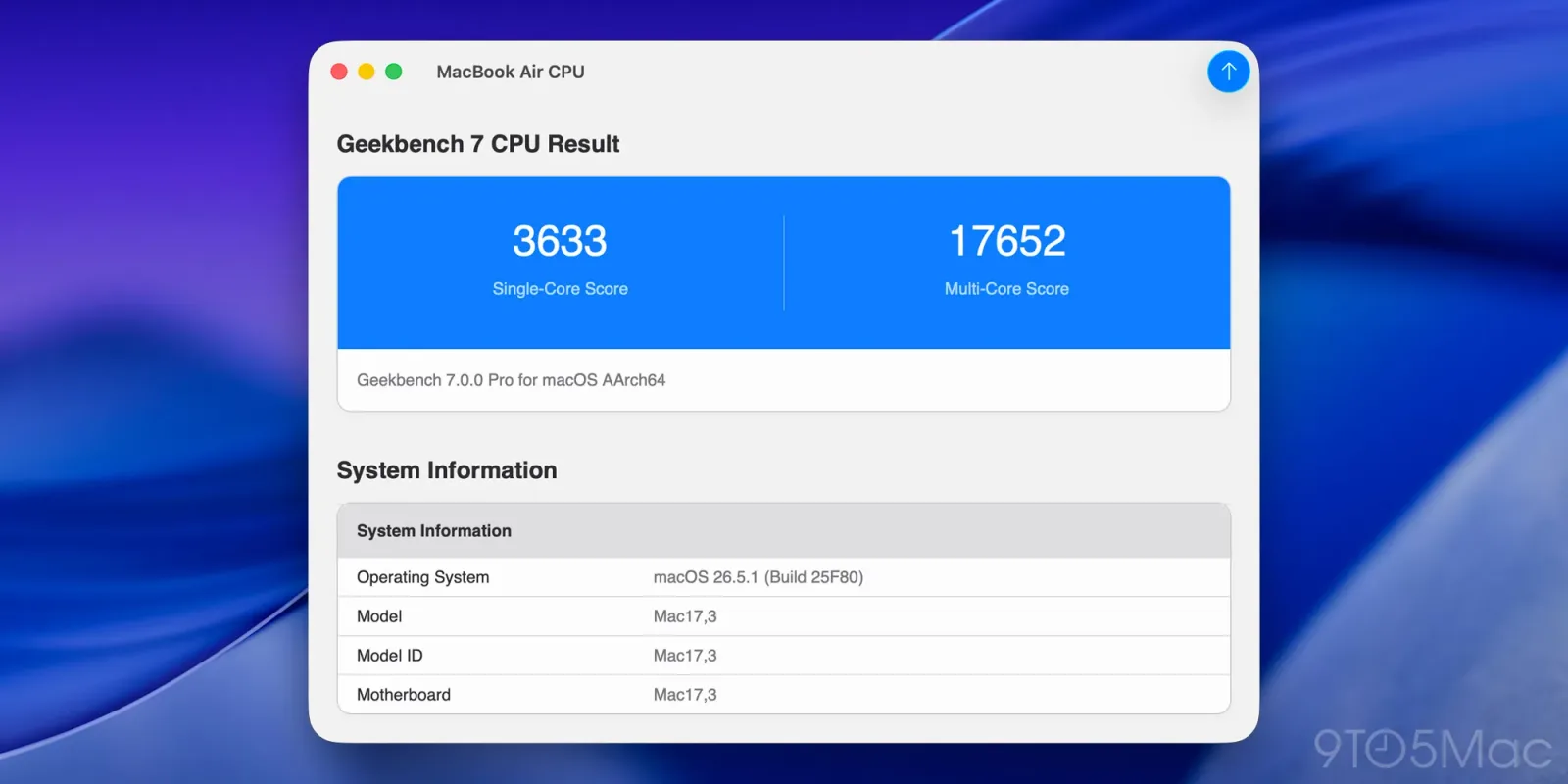
Primate Labs has officially released Geekbench 7, marking a significant departure from the benchmarking standards we have grown accustomed to over the last decade. The company is not just tweaking numbers but fundamentally restructuring how CPU and GPU workloads are evaluated to better mirror actual user behavior. This move comes at a critical time when the definition of performance is expanding beyond simple processing speed to include intelligent task handling.
According to the announcement, the new benchmark suite is engineered to reflect how people use their devices across everyday tasks, gaming, and increasingly important AI workloads. This is a direct acknowledgment that modern computing is no longer just about clock speeds. It is about how efficiently a system can manage complex, multi-modal interactions that define the current era of personal technology.
The inclusion of AI workloads in the core benchmarking structure is particularly noteworthy. For years, AI performance was often an afterthought in general purpose benchmarks. Now it is a first-class citizen. This suggests that hardware manufacturers will need to optimize their chips not just for raw throughput but for the specific latency and efficiency requirements of local AI inference.
This shift has profound implications for the laptop and smartphone markets. Consumers who previously relied on Geekbench scores to gauge general speed may find the new metrics less intuitive. However, these new scores should provide a much more accurate prediction of real-world experience. It moves the conversation away from theoretical maximums toward practical utility.
For developers and hardware engineers, this update serves as a clear directive. Optimizing for Geekbench 7 means prioritizing the integration of neural processing units and specialized AI accelerators. The days of relying solely on traditional core counts to win benchmarks are likely over. Efficiency and AI capability are now the primary differentiators.
The broader tech industry is watching this closely as the line between consumer devices and professional workstations blurs. As AI models become larger and more complex, the ability to run them locally on consumer hardware will become a key selling point. Geekbench 7 is essentially creating the yardstick for that new reality.
What this means for you: If you are evaluating new hardware for AI development or heavy creative work, do not rely on old benchmark databases. Look for devices that perform well in the new AI-specific sections of Geekbench 7. You can try this workflow with an AI assistant: Ask it to compare the local AI inference capabilities of two specific laptop models based on their Geekbench 7 AI scores and neural engine specifications to determine which is better suited for running large language models locally.
Reporting basis: original story
← back to The Wire