the wire · #ai · 2026-09-24
Gemini 3.8 Live with Live Avatar gives Google's AI a face
Cech Tech Reviews

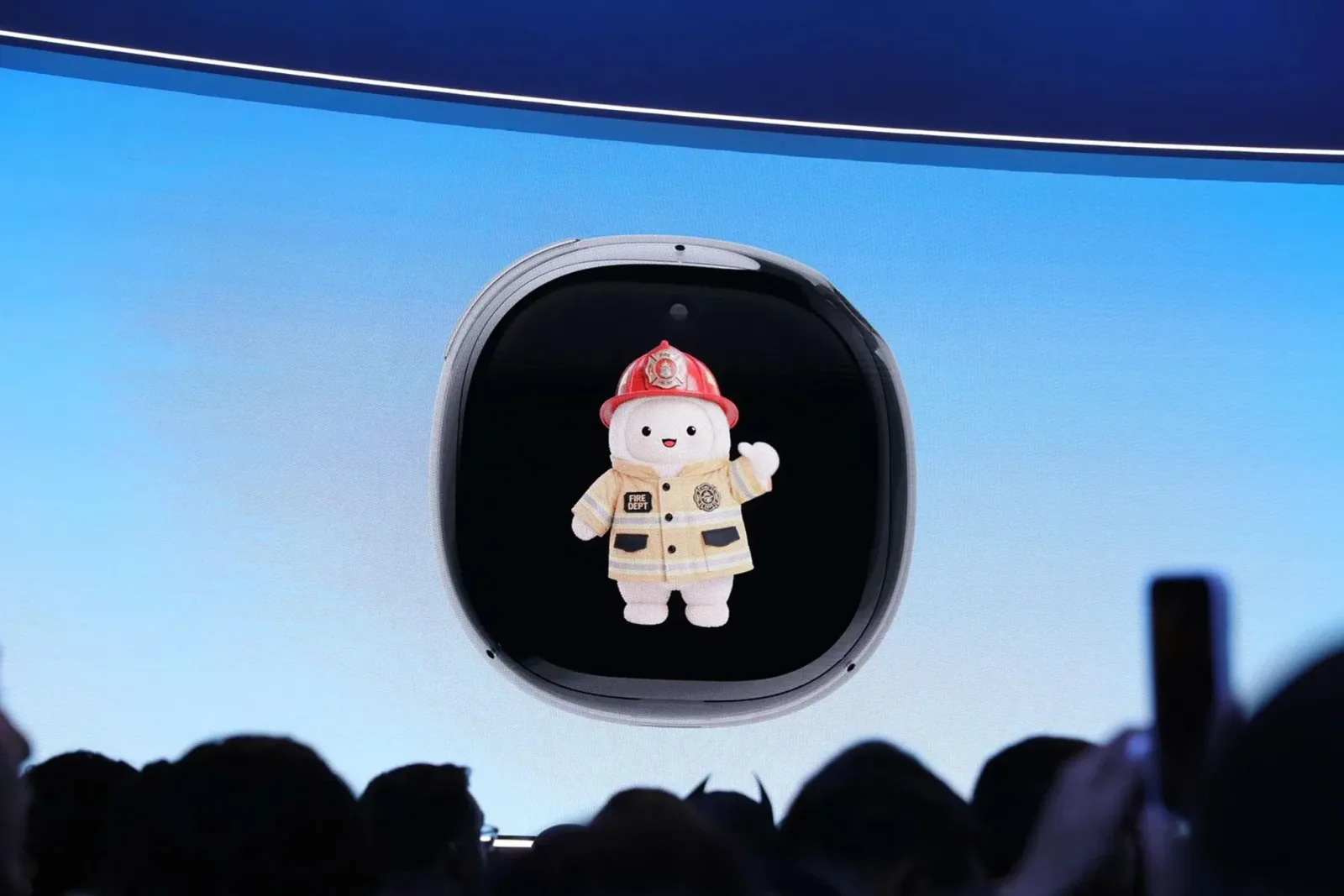
Google just gave its AI a face, and the timing says a lot about where enterprise AI is heading. According to The Verge, the new Gemini 3.8 Live with Live Avatar feature lets users have voice conversations with an animated AI persona that lip-syncs and shows facial expressions in real time across 97 languages.
The tech itself is impressive. The avatar can switch between languages mid-conversation without the video quality degrading or the mouth movements drifting out of sync. Google's demo shows it seamlessly transitioning between English and Japanese while maintaining natural lip animation. It can also pull up information on-screen during the conversation, making it feel more like a video call with a very well-informed assistant.
But here's the strategic angle: Google released this to enterprise customers first, not consumers. That's a clear signal they see the demand coming from customer service, training simulations, and internal support tools where a face might build trust or engagement. They're testing whether people actually want to look at an AI while they talk to it, or if the novelty wears off fast.
The bigger question is whether adding a face genuinely improves the interaction or just makes it feel more human without adding real value. For some use cases like language learning, sales training, or accessibility tools for people who rely on visual cues, an avatar could be genuinely helpful. For most workflows, though, it might just be distracting.
This also puts pressure on OpenAI and Anthropic, who've focused on voice-first experiences without the visual layer. If avatar interfaces take off in enterprise, they'll need to respond. If they don't, Google will have spent resources on a feature that doesn't move the needle.
The tech raises familiar questions about deepfakes and trust, too. If an AI can lip-sync perfectly in dozens of languages, the line between helpful assistant and potential impersonation tool gets thinner. Google will need to be transparent about when users are talking to an avatar versus a real person, especially in customer-facing scenarios.
What this means for you: if you're building customer support workflows or training programs, consider whether a visual presence actually helps your users feel more comfortable or just adds complexity. Test voice-only first. If you do want to experiment with more engaging AI interactions, try this prompt with your current AI assistant: "Help me design a conversational workflow for [specific task] that uses voice responses. What questions should the AI ask to gather context, and when should it offer visual information versus just talking through the answer?" Start with the interaction model before you add a face to it.
Reporting basis: original story
← back to The Wire