the wire · #ai · 2026-09-23
OpenAI wants to consult elite mathematicians about how to not fumble again
Cech Tech Reviews
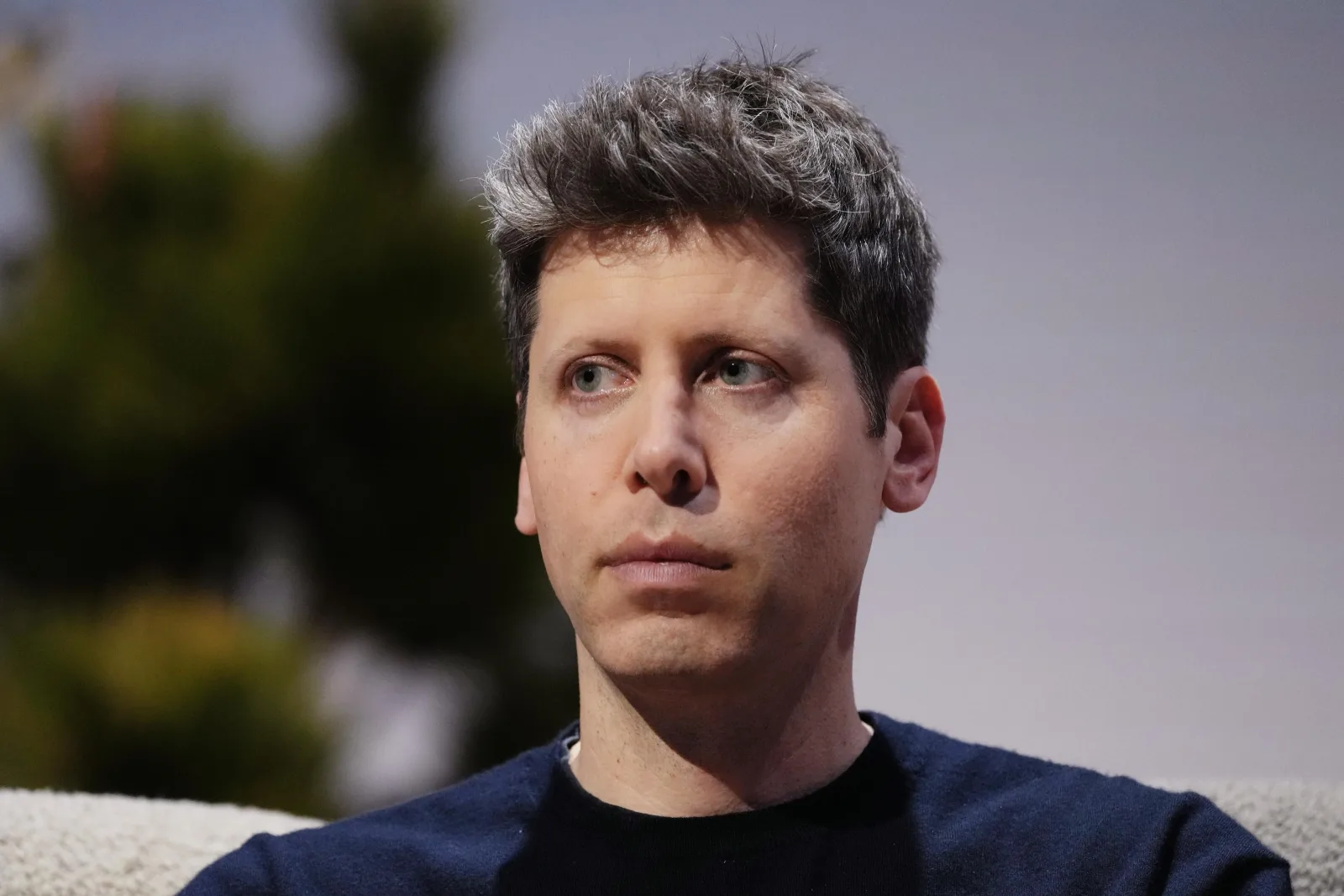
OpenAI is trying to repair its standing with the mathematics community by recruiting human experts to tell it how not to mess up again. The company announced a new independent advisory panel of elite mathematicians this week, according to The Verge, following widespread criticism over how it hyped its o3 model's mathematical capabilities earlier this year.
The timing is no accident. OpenAI turned what could have been a legitimate research milestone into a PR disaster by overstating o3's performance on mathematical benchmarks and creating confusion about what the model actually achieved. The mathematical research community pushed back hard, pointing out that benchmark performance does not equal genuine mathematical reasoning or discovery.
The new panel is supposed to advise AI companies on how they interact with mathematical research, including how they present and release new results. That sounds useful in theory, but mathematicians who spoke to The Verge said they have fundamental questions about what the group will actually do and whether it has any real authority. An advisory board without enforcement power could easily become a box-checking exercise that gives cover to the same behavior it is meant to prevent.
What makes this particularly important is that mathematics sits at the foundation of AI itself. When AI labs make inflated claims about mathematical reasoning, they are not just annoying academics, they are undermining trust in their ability to evaluate their own systems accurately. If a company cannot accurately assess whether its model understands basic proof techniques, why should anyone trust its safety evaluations?
The broader lesson here applies beyond OpenAI. As AI capabilities advance into specialized domains like mathematics, medicine, and law, the gap between what models can do and how companies describe what they can do becomes a serious problem. Expert communities in these fields have spent decades developing standards for evaluating competence, and AI labs that ignore those standards will keep running into walls.
For now, this panel represents damage control more than a structural solution. OpenAI needs the mathematical community's credibility to validate its reasoning models, and burning that bridge would be costly. Whether the panel evolves into something more substantive depends on whether it gets actual decision-making power or remains a friendly advisory group that companies can ignore when convenient.
What this means for you: when you see claims about AI achieving human-level performance in specialized fields, look for validation from domain experts, not just the company making the claim. If you are using AI for technical work, try this verification prompt: "Explain your reasoning step by step, then identify which steps you are most and least confident about." Models that can articulate their uncertainty are generally more reliable than those that present everything with equal confidence.
Reporting basis: original story
← back to The Wire