the wire · #ai · 2026-08-04
SpaceX made more revenue as an AI company than a space company
Cech Tech Reviews
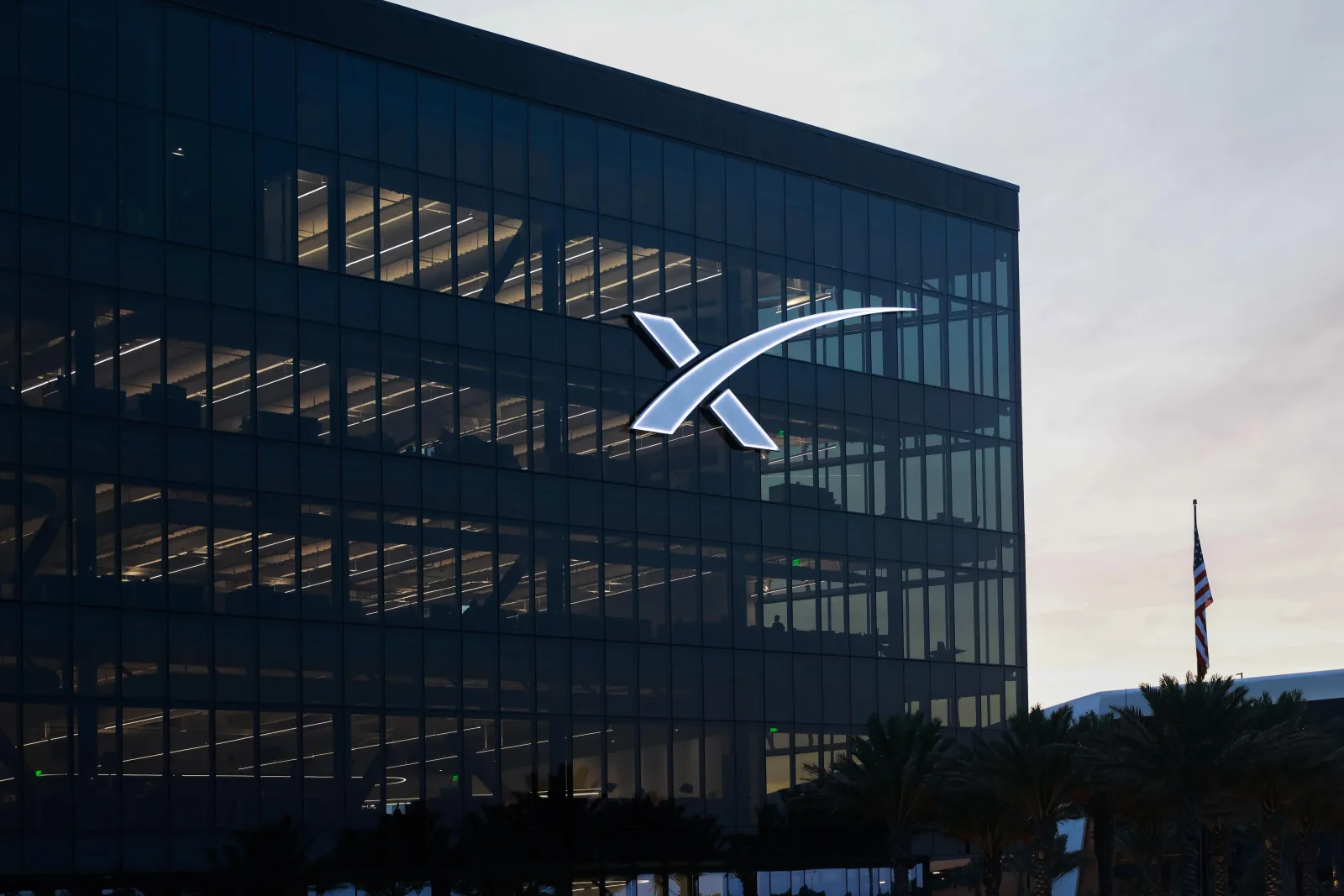
SpaceX just posted numbers that reframe what kind of company it actually is. According to The Verge, the company's AI revenue hit $2.6 billion this quarter, more than tripling from the year before. That growth came mostly from deals to provide compute infrastructure to other AI companies, including high-profile contracts with Anthropic in May and Google in June.
What makes this noteworthy is not just the scale, but the shift in identity. SpaceX is now effectively a neocloud provider, competing directly with players like CoreWeave in the business of renting out GPU clusters to AI labs. The AI division is apparently the source of most of the company's valuation, according to documents filed ahead of going public. It also lost $1.5 billion this quarter, though that's a slight improvement from the same period last year.
This is a classic move in the current AI infrastructure land grab. Companies with access to capital and hardware are racing to lock in long-term compute contracts with the labs that need it most. SpaceX has the advantage of scale, existing relationships with hardware suppliers, and a brand that carries weight with enterprise customers. The question is whether it can turn those contracts into sustained margin as competition intensifies.
The broader implication here is that AI infrastructure is becoming the new cloud war. Just as AWS, Azure, and GCP became the backbone of the internet economy, a new layer of specialized compute providers is emerging to serve AI workloads. SpaceX is betting it can be one of the winners, leveraging its operational experience and capital base to build out capacity faster than pure-play startups.
For context, this also explains why SpaceX has been aggressively expanding its data center footprint and why compute spending is climbing. Serving frontier AI labs means providing not just raw GPU power but also the networking, cooling, and operational expertise to run massive training runs without downtime. It is infrastructure-heavy and capital-intensive, which is why the losses are still significant even as revenue climbs.
The AI revenue now apparently exceeds what SpaceX makes from its core space business, which includes launch services and Starlink. That is a remarkable pivot for a company that built its reputation on rockets and satellites. It also suggests that the real value in the AI economy might not be in the models themselves, but in the picks and shovels that make training them possible.
What this means for you: if you are building or scaling AI products, the neocloud market is becoming more competitive and that should translate into better pricing and availability over time. For teams evaluating compute providers, consider asking your AI assistant to compare pricing and SLA terms across providers. Try this prompt: "I need to run a fine-tuning job on a Llama 70B model with an estimated 500 GPU hours. Compare pricing and lead times across AWS, CoreWeave, and neocloud providers, and outline the tradeoffs for each option."
Reporting basis: original story
← back to The Wire