the wire · #ai · 2026-08-05
Google just announced a major shakeup of its top AI leadership
Cech Tech Reviews
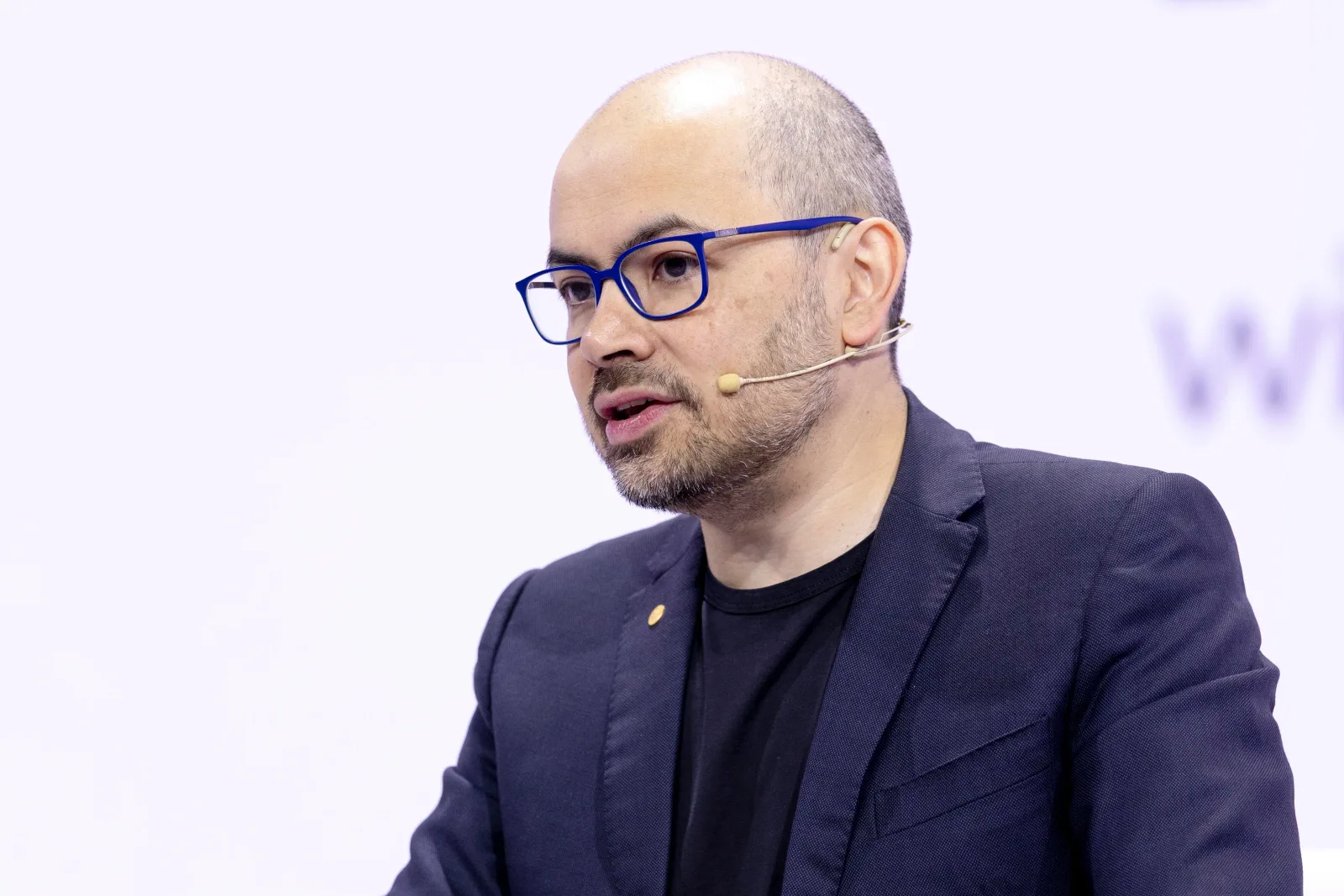
Google just reshuffled the top of its AI org chart, and the moves tell us a lot about where the company thinks AI is headed. Demis Hassabis, who has led Google DeepMind since the 2014 acquisition, is stepping into a broader role as chair of DeepMind and chief scientist for all of Alphabet, according to an announcement from CEO Sundar Pichai reported by The Verge. Meanwhile, Koray Kavukcuoglu, previously DeepMind's CTO, is taking over day to day leadership as SVP of DeepMind.
This is not a demotion for Hassabis. It is classic big tech promotion by elevation. Moving him to chief scientist at the Alphabet level means Google wants his brain focused on the next generation of breakthroughs, not the operational grind of shipping products and managing teams. He will still run Isomorphic Labs, DeepMind's drug discovery spinout, which makes sense given his long stated belief that AI should prioritize improving human health.
Kavukcuoglu stepping up is equally telling. He has been at DeepMind since 2014 and was instrumental in building the technical infrastructure behind models like Gemini. Giving him the reins suggests Google is betting on continuity and execution over a flashy external hire. He will also keep the title of chief AI architect, which means he is not just managing people but still shaping the technical direction.
The timing matters too. Google has been under pressure to prove it can compete with OpenAI and Anthropic in the generative AI race, and these changes suggest a pivot from pure research to faster productization. Hassabis gets to think long term while Kavukcuoglu handles the sprint to ship AI that actually works in Search, Workspace, and Cloud.
This kind of leadership split is becoming a pattern across AI labs. OpenAI has research leads separate from product and operations. Anthropic keeps its research culture distinct from its enterprise push. Google is formalizing that divide, and it is a signal that the era of one person doing both visionary research and operational execution is over.
What this means for you: if you are building with Google AI tools like Gemini or Vertex AI, expect faster iteration and tighter integration into Google's product stack under this new structure. Hassabis focusing on foundational science could mean bigger leaps in capabilities down the road, but Kavukcuoglu running the show day to day should translate to more reliable APIs and enterprise features in the near term. Try this prompt with an AI assistant to audit which Google AI tools fit your workflow: "List the current Google AI products available via API, compare their strengths for content generation vs. data analysis vs. automation, and recommend which one I should test first for a team that works primarily in Google Workspace."
Reporting basis: original story
← back to The Wire