the wire · #ai · 2026-08-04
Texas halts new data centers as governor calls for audits
Cech Tech Reviews
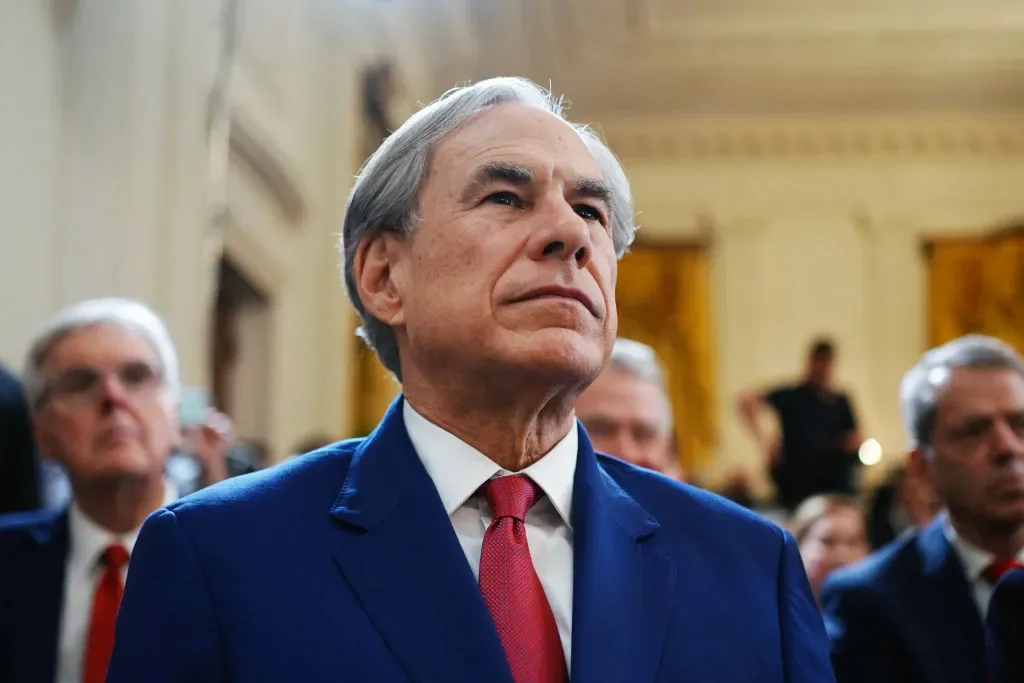
Texas Governor Greg Abbott announced a temporary halt on new data center connections to the state's power grid, marking a sharp turn for what has been one of the most data center-friendly jurisdictions in the country. The move comes with an order for comprehensive audits of the grid's capacity, according to reporting from multiple outlets.
This is significant because Texas has been the go-to destination for hyperscalers and AI infrastructure builders precisely because of its light-touch regulation and what appeared to be ample power capacity. The state's deregulated energy market and pro-business climate made it a magnet for the kind of massive computational facilities that power large language models and other AI workloads. Now that calculus is changing in real time.
The core issue is simple physics. Modern AI data centers, especially those training or running inference on frontier models, consume staggering amounts of electricity. A single large facility can draw as much power as a small city. When you stack multiple projects in one grid region, you risk destabilizing the entire system. Texas learned this the hard way during past winter storms, and officials clearly don't want a repeat driven by AI demand.
What makes this particularly interesting is the ripple effect. If Texas, with its massive geography and independent grid, is tapping the brakes, other states will face the same constraints even faster. We're watching the collision between AI ambitions and physical infrastructure limits play out in policy. Expect similar pauses, moratoriums, or new permitting requirements in other hot markets like Virginia, Arizona, and parts of the Midwest.
For developers and AI companies with expansion plans, this is a wake-up call. The era of dropping a data center wherever land and fiber exist is over. Power availability, grid reliability, and regulatory risk are now first-order site selection criteria. Projects that looked like sure bets six months ago may now face delays or cancellations. The companies that adapt quickly, whether through smaller distributed deployments, on-site generation, or creative power purchase agreements, will have a major advantage.
What this means for you: if you're building AI-powered products or services, factor infrastructure constraints into your roadmap now. Relying on cheap, infinite cloud compute may not be a safe assumption in 2026 and beyond. For teams evaluating build vs. buy decisions on AI features, consider this prompt to stress-test your plans: "List the infrastructure dependencies for our planned AI features, including compute, storage, and latency requirements. What fallback options exist if our primary provider faces capacity constraints or price increases in the next 12 months?" Running that exercise now can save you from painful pivots later.
Reporting basis: original story
← back to The Wire