the wire · #topnews · 2026-08-04
The Real Story Behind the 2018 Google Walkout
Cech Tech Reviews
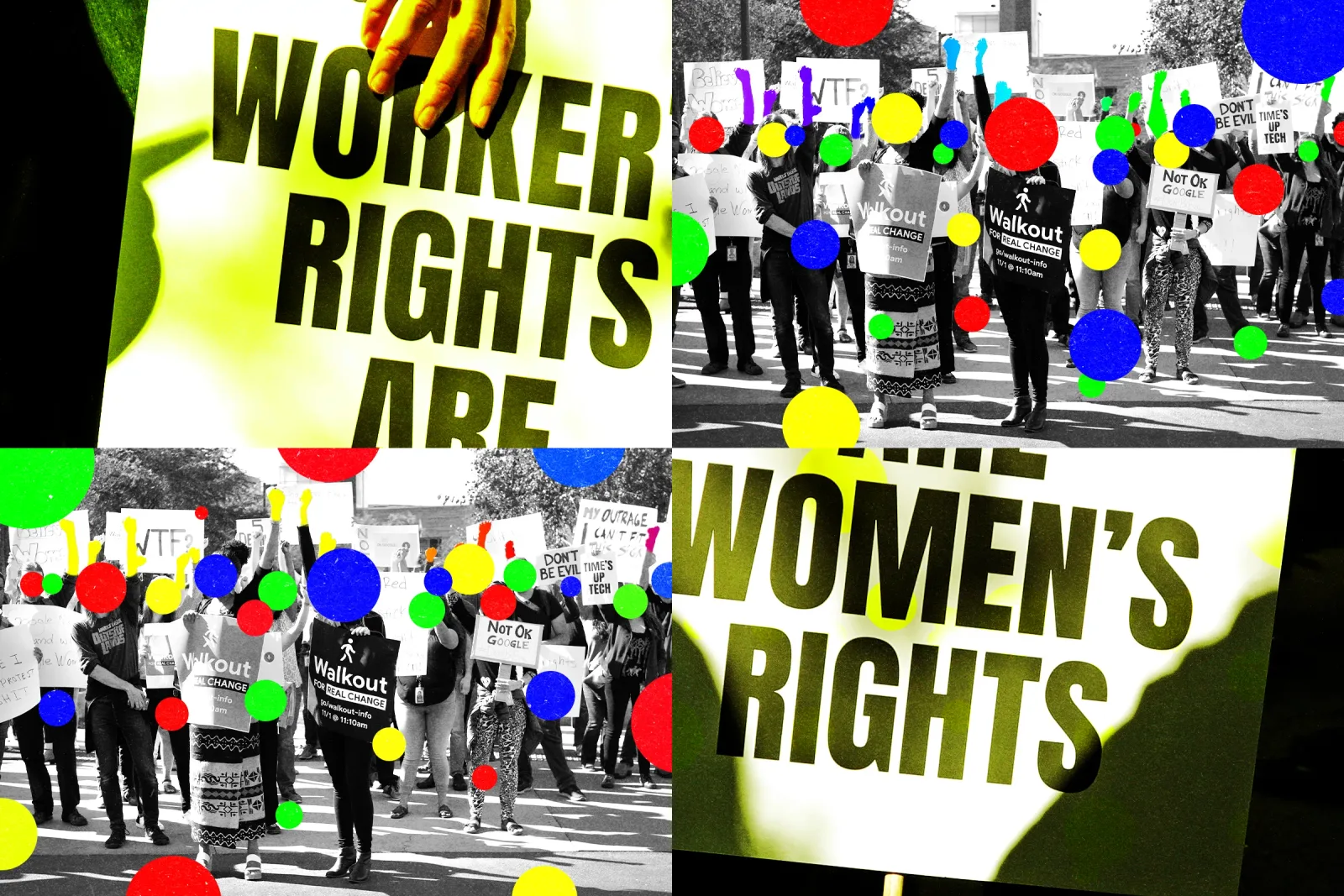
The 2018 Google walkout stands as a pivotal moment in the history of Silicon Valley labor relations. According to recent retrospectives, more than twenty thousand employees across the globe stepped away from their desks to protest the company's handling of sexual harassment allegations. This was not a spontaneous outburst but a meticulously planned operation that revealed the power of decentralized organizing within a massive corporation.
What makes this event particularly relevant for modern AI and tech professionals is the organizational structure behind it. Employees used encrypted messaging apps and private social media groups to coordinate without relying on traditional union structures or external leadership. This grassroots approach allowed them to maintain momentum and avoid early suppression by management, setting a new precedent for internal dissent.
The scale of participation demonstrated that cultural issues were no longer secondary to product innovation in the eyes of the workforce. By aligning their demands with broader social justice movements, these employees forced Google to confront its own internal policies. The company eventually agreed to release its sexual harassment data and implement new training requirements, marking a significant shift in corporate transparency.
For entrepreneurs and AI developers, this event highlights the importance of ethical considerations in technology deployment. The same organizational skills used to protest harassment can be applied to advocate for responsible AI practices. As we build more autonomous systems, the ability to mobilize internal stakeholders around ethical concerns will become a critical skill for sustainable innovation.
The legacy of the walkout extends beyond policy changes. It empowered a generation of tech workers to view their employment as a platform for social impact. This mindset shift is crucial as the AI industry grapples with questions about bias, privacy, and accountability. Employees are increasingly demanding that their companies align their public values with their internal practices.
Looking forward, the strategies employed in 2018 offer a blueprint for addressing emerging challenges in the AI sector. Whether it is data privacy, algorithmic bias, or job displacement, the model of coordinated internal advocacy remains effective. Companies that ignore these voices risk losing talent and credibility in an increasingly conscious market.
What this means for you: As an AI professional, you have the power to shape the ethical direction of your organization. Start by building networks with colleagues who share your values and use secure communication tools to discuss concerns. You can try this prompt with your AI assistant to draft a proposal for an internal ethics committee: "Draft a one-page proposal for establishing an employee-led AI ethics review board, outlining its purpose, structure, and potential impact on product development."
The 2018 walkout was not just a protest; it was a demonstration of the collective power of tech workers. It showed that even in the most hierarchical structures, organized voices can drive meaningful change. As we navigate the complexities of the AI age, this lesson remains vital for fostering a more responsible and equitable industry.
Reporting basis: original story
← back to The Wire