the wire · #topnews · 2026-08-04
How One Startup Built a (Mostly) China-Free Robot
Cech Tech Reviews
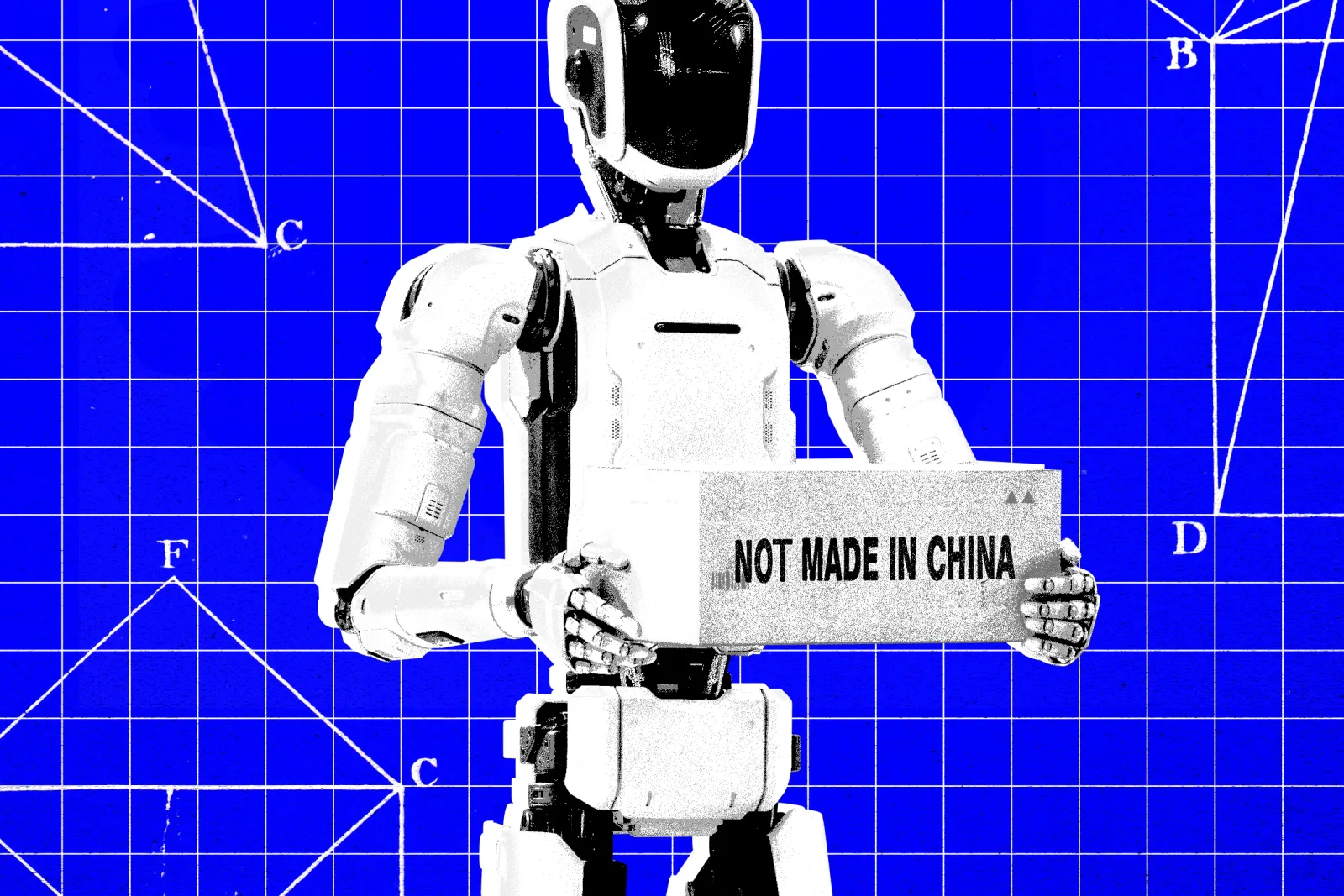
The global robotics industry is facing a pivotal moment as geopolitical tensions reshape supply chain strategies. According to recent reporting, Ati Robotics has emerged as a notable exception to the prevailing trend. The startup has successfully built a humanoid robot that relies on very few Chinese parts, a feat that distinguishes it in a market heavily dependent on East Asian manufacturing.
This approach is not just a technical achievement but a strategic response to the evolving political landscape. With the Trump administration signaling a tougher stance on Chinese technology and trade, companies are scrambling to diversify their sources. Ati Robotics has positioned itself to benefit from this shift by establishing its assembly operations in India, a country increasingly viewed as a viable manufacturing hub.
The reliance on Chinese components has long been a standard for many robotics firms due to cost efficiency and established supply networks. However, this dependency creates significant vulnerability for Western clients who fear potential export controls or tariffs. By reducing this reliance, Ati Robotics offers a more secure option for enterprises looking to deploy humanoid robots without geopolitical baggage.
India’s growing role in high-tech manufacturing adds another layer of complexity to this story. The country has been actively promoting itself as an alternative to China for electronics and hardware production. Ati Robotics’ decision to assemble in India aligns with broader government initiatives to boost local manufacturing and reduce import dependencies.
For AI enthusiasts and tech entrepreneurs, this development highlights the increasing importance of supply chain resilience. It is no longer sufficient to focus solely on algorithmic performance or hardware design. The physical origin of components and the stability of the supply chain are becoming critical factors in product viability and market adoption.
The implications for the broader AI industry are profound. As humanoid robots move from prototypes to commercial applications, businesses will prioritize partners who can guarantee consistent supply. Ati Robotics’ model suggests that a new era of localized or diversified manufacturing may be on the horizon, driven by security concerns rather than just cost.
What this means for you: If you are integrating robotics into your business operations, prioritize vendors with transparent and diversified supply chains. Consider using an AI assistant to evaluate potential suppliers by analyzing their geopolitical risk profiles and component origins. Try this prompt: Analyze the supply chain risks for a humanoid robot manufacturer based in India with limited Chinese components compared to a competitor relying on East Asian assembly. Focus on potential trade barriers and long-term stability.
Reporting basis: original story
← back to The Wire