the wire · #global · 2026-08-21
In China’s Biggest Car Recall, Tesla and 8 Others Will Address Door Safety
Cech Tech Reviews
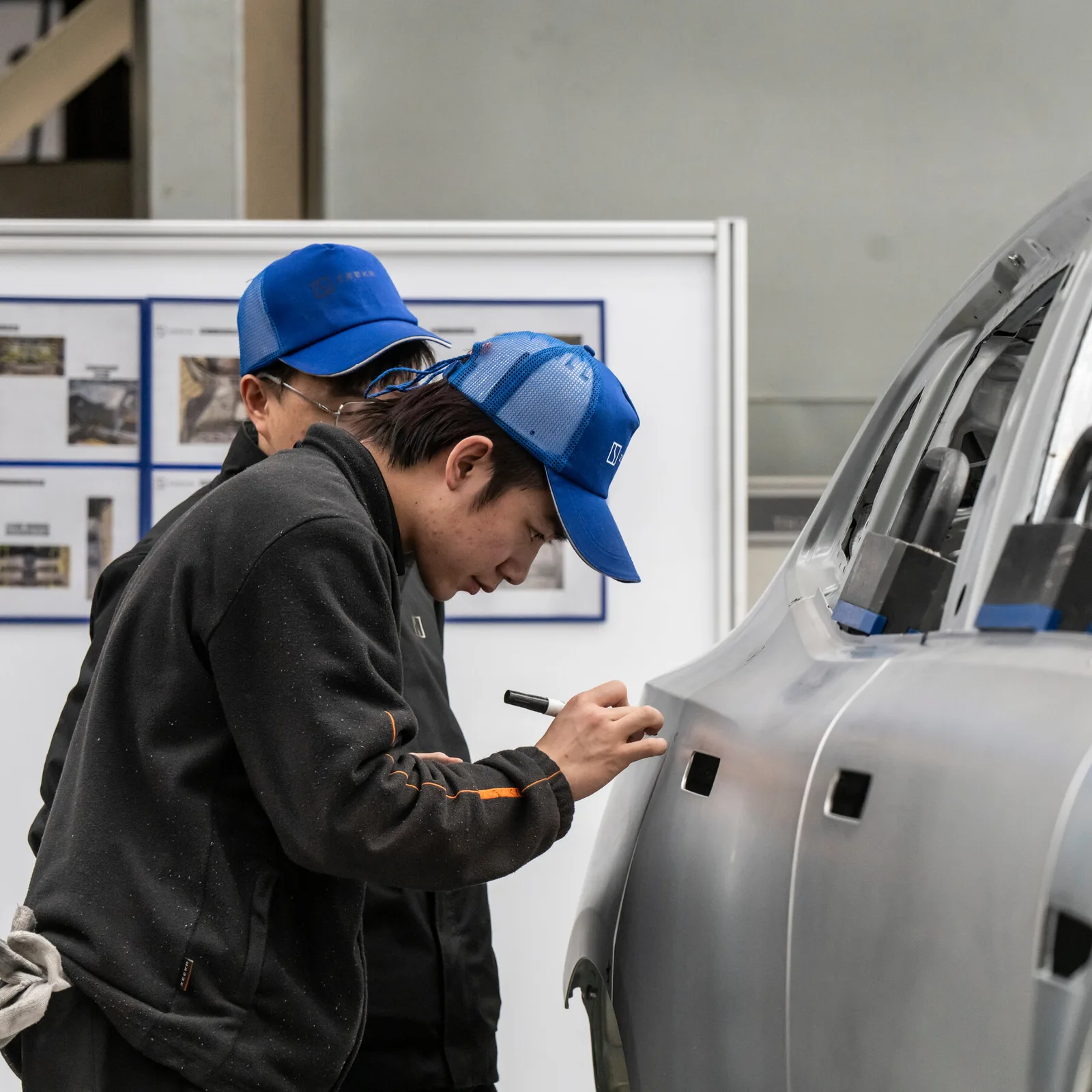
China’s automotive regulator has issued a stern directive requiring Tesla and seven other major car manufacturers to address critical safety flaws in their vehicle doors. According to recent reports, the order stems from persistent issues where occupants faced significant difficulty exiting their cars during emergencies. This is not merely a minor inconvenience but a genuine safety hazard that has already sparked legal action in other markets, particularly in the United States.
The scope of this recall is substantial, affecting some of the most popular electric vehicles on the road today. By naming Tesla alongside seven other brands, the regulator is signaling that this is an industry-wide design challenge rather than an isolated defect. It suggests that the push for sleek, flush door handles and seamless body panels has inadvertently compromised the mechanical reliability of emergency exits. This is a clear warning to automakers that innovation cannot come at the expense of basic safety protocols.
For Tesla, this development is particularly sensitive given the existing legal landscape in the United States. Lawsuits have already been filed against the company regarding similar egress issues, creating a parallel narrative of safety concerns across the Atlantic. The Chinese regulatory action adds weight to these claims, demonstrating that the problem is recognized by authorities as a systemic risk. It forces Tesla to confront the reality that their design philosophy may need to be recalibrated to meet global safety standards.
The broader implication here is a shift in how electric vehicles are engineered. For years, the industry has chased aerodynamic efficiency and minimalist aesthetics, often leading to the adoption of hidden door handles. While these features look modern and improve range, they can fail mechanically or electronically, trapping passengers inside. This recall serves as a stark reminder that user experience and safety must be balanced, especially in high-stakes scenarios like fires or accidents.
From an AI and technology perspective, this highlights the importance of robust fail-safes in smart vehicles. As cars become more software-defined, the reliance on electronic systems for basic functions like opening doors introduces new points of failure. Engineers must ensure that mechanical overrides are always accessible and reliable, regardless of the vehicle's power state or software integrity. This is a crucial lesson for the future of autonomous and connected vehicles.
What this means for you is that as you consider adopting electric vehicles, you should pay close attention to their emergency exit mechanisms. It is no longer enough to look at range or acceleration; the physical design of the car plays a vital role in your safety. When evaluating new EVs, test how easily doors open under stress and understand the manual override procedures.
To stay ahead of these safety trends, you can use an AI assistant to analyze vehicle safety reports. Try this prompt: "Analyze the latest safety recalls for electric vehicles and summarize the common design flaws related to emergency exits. Provide a checklist of questions I should ask a salesperson about manual door overrides." This workflow helps you make informed decisions based on real-world safety data rather than marketing claims.
Reporting basis: original story
← back to The Wire