the wire · #topnews · 2026-08-19
Coders Say They Already Found Workarounds to Claude’s Invisible Watermarks
Cech Tech Reviews
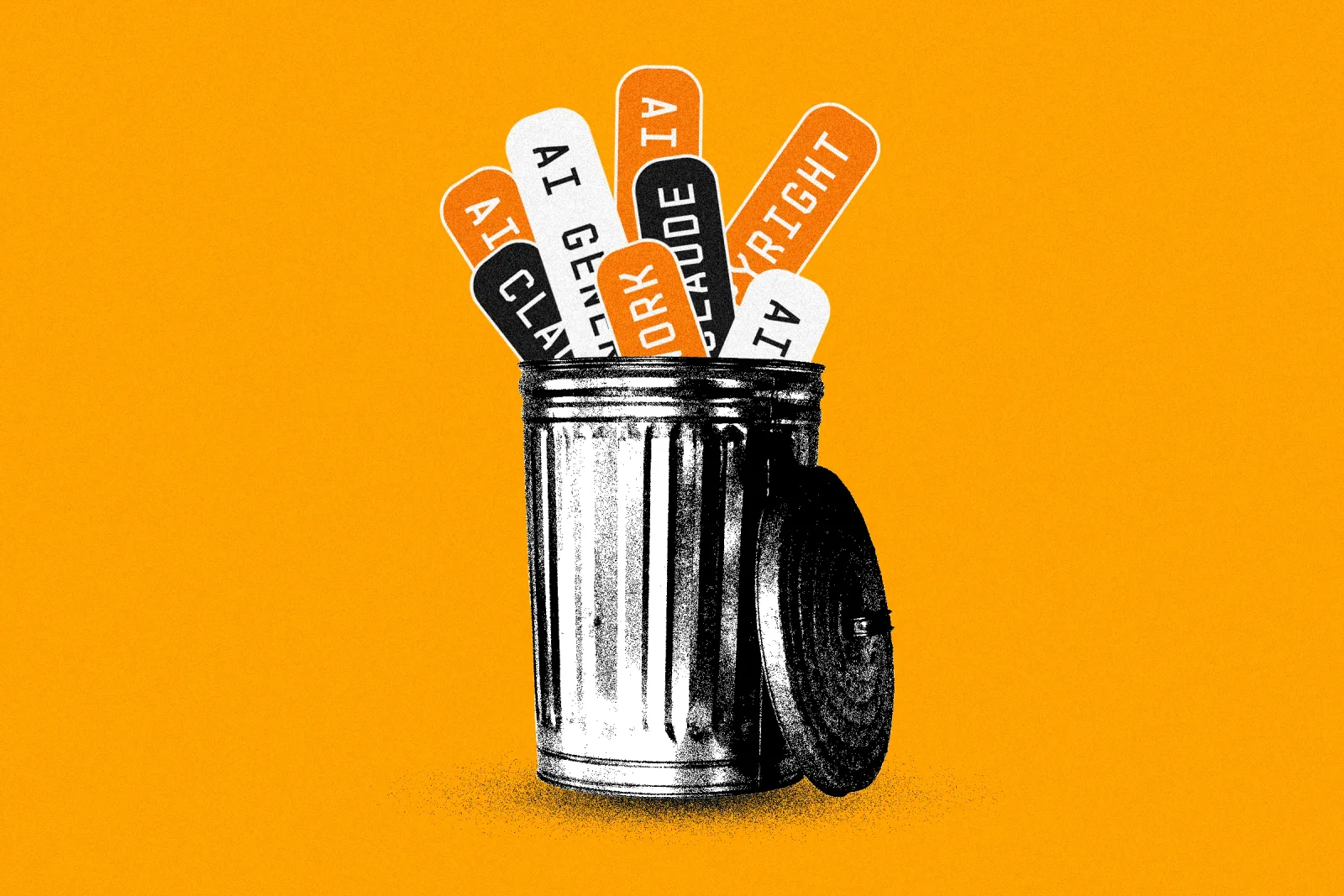
Anthropic rolled out invisible watermarks for Claude last week to meet incoming EU transparency rules, but the security theater didn't last long. According to reports circulating online, developers posted methods to strip or bypass the watermarks within hours of the announcement, highlighting a core problem with content provenance systems: they only work if nobody bothers to break them.
The watermarking push comes from the EU AI Act, which requires clear labeling of AI-generated content. Anthropic's implementation embeds signals into Claude's output that detection tools can theoretically spot. But unlike cryptographic signatures, these watermarks rely on statistical patterns in the text itself, and those patterns can be disrupted with paraphrasing, translation loops, or even just asking another AI to rewrite the content.
This isn't unique to Anthropic. OpenAI shelved its own watermarking plans after internal tests showed they were trivially defeated. Google and others face the same fundamental tension: any watermark robust enough to survive editing becomes detectable enough to remove, and any watermark subtle enough to be invisible becomes fragile enough to break accidentally.
The real issue here isn't technical cleverness, it's incentive design. Watermarks assume the person using the AI wants their content labeled as such. In reality, many users specifically don't want that label, whether they're students, marketers, or anyone else who benefits from ambiguity about authorship. No amount of signal processing changes that dynamic.
From a regulatory perspective, this puts the EU in an awkward spot. The law is on the books, companies are complying on paper, but the actual enforcement mechanism is already compromised. We're likely headed toward a world where watermarks exist mainly as a legal fig leaf, present enough to check a compliance box but not robust enough to matter in practice.
For developers and companies building on top of Claude or other models, this means watermarks won't reliably tell you whether content came from an AI. If that distinction matters for your use case, you'll need to rely on other signals like writing style analysis, metadata tracking, or simply designing workflows that don't depend on provenance guarantees.
What this means for you: If you're using Claude for work and need to track what's AI-generated versus human-written, don't count on watermarks. Instead, build it into your process. Try this prompt when reviewing mixed content: "Analyze this document and flag sections that show typical AI writing patterns: unusually balanced structure, hedging language, or generic transitions. Highlight specific phrases that feel template-driven." Pair it with version control and clear handoff points so you always know what originated where.
Reporting basis: original story
← back to The Wire