the wire · #topnews · 2026-08-19
We Bought a $500 Counterfeit Rolex So Good, Even Rolex Didn’t Spot It
Cech Tech Reviews
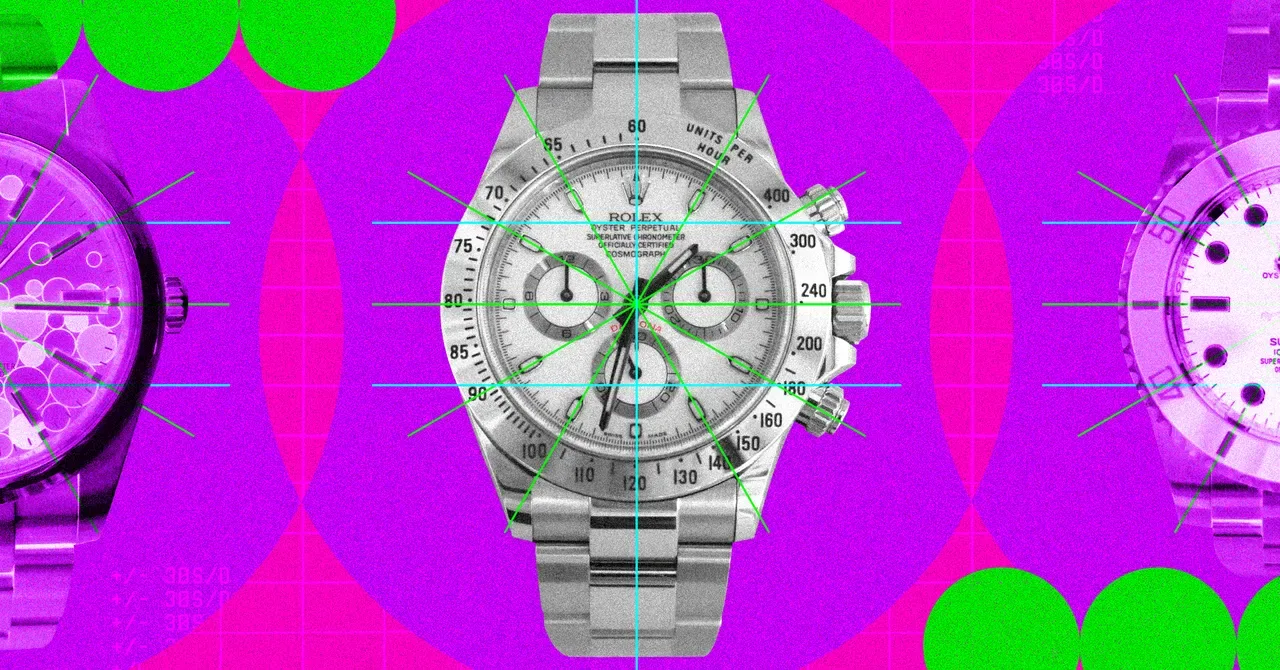
The recent report from The Verge about purchasing counterfeit Rolexes that fooled even brand experts is more than just a story about luxury goods. It is a stark metaphor for the current state of digital trust. We are entering an era where the visual evidence we rely on is no longer reliable, whether it is on our wrists or on our screens.
These super clones are not the sloppy fakes of the past. They are precision-engineered imitations that mimic weight, texture, and even the subtle ticking of the movement. The fact that Rolex itself could not immediately distinguish these replicas from genuine pieces signals a fundamental breakdown in traditional authentication methods. This is happening in the physical world, but the implications for digital media are even more profound.
According to the reporting, these replicas were sourced from murky internet forums and sold for a fraction of the real cost. This mirrors how AI-generated content is now being distributed at near-zero marginal cost. The barrier to creating a convincing fake has dropped to almost nothing. In the watch world, it takes skilled labor. In the digital world, it takes a prompt and a GPU.
The deeper issue here is the erosion of provenance. When you buy a real Rolex, you are buying a history and a guarantee of authenticity. When you view a video or image online, you are often assuming it is real unless proven otherwise. This assumption is becoming increasingly dangerous. We are moving toward a world where we must verify everything, and verification is becoming computationally expensive and complex.
This trend connects directly to the broader AI narrative. Just as super clones challenge the value of physical luxury, AI-generated media challenges the value of digital truth. We are seeing a parallel collapse in trust. If we cannot trust our eyes with a watch, how can we trust them with a video of a political leader or a financial transaction?
The industry response is currently fragmented. Watchmakers are adding microscopic markers and blockchain tracking. Tech companies are developing watermarking standards and detection algorithms. But both approaches are playing catch-up. The creators of fakes and deepfakes are always one step ahead, using the same tools to break the systems designed to protect them.
What this means for you is that skepticism must become a default setting. In your professional life, do not assume a document, image, or video is authentic without secondary verification. Use AI tools to check for inconsistencies, but remember that those same tools can be used to forge the checks. Always rely on out-of-band verification for critical decisions.
Try this workflow: When you receive a high-stakes request via email or video, use an AI assistant to analyze the text for linguistic patterns or the video for compression artifacts. Then, contact the sender through a known, trusted channel to confirm. This dual-layer approach adds a necessary safety net in an increasingly ambiguous digital landscape.
Reporting basis: original story
← back to The Wire